Lead Hook
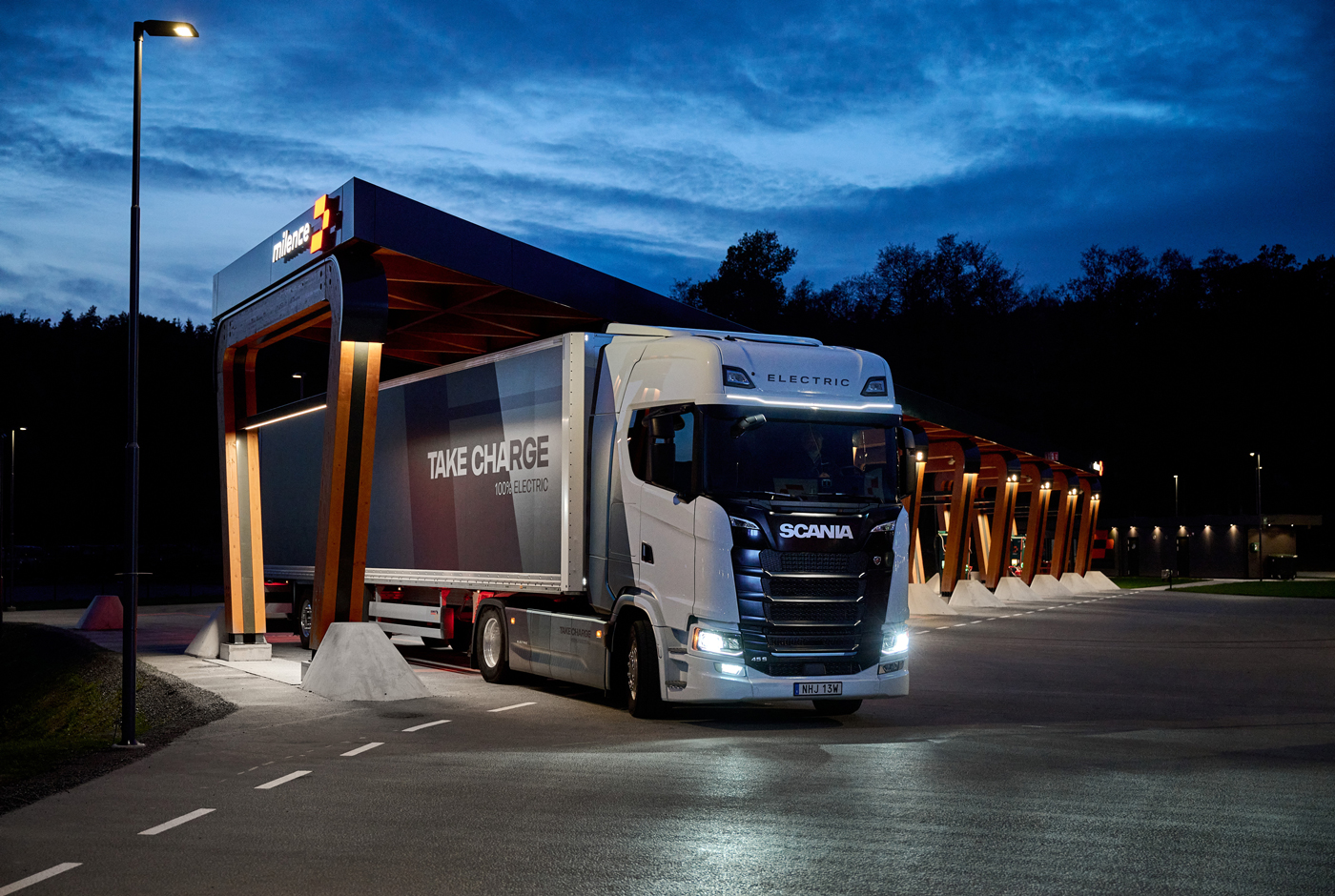
Europe's diesel crisis has made electric trucks an urgent priority, yet the continent's electrification push is stalling on a problem no single actor owns: charging infrastructure. According to CleanTechnica, the continent has no shortage of electric trucks, but manufacturers complain of "an alarming delay" in the conditions needed to drive market uptake. The deeper tension is structural. Europe is a group of sovereign countries with many standards, and the EU—a political and economic union of 27 states—has issued directives urging action and imposing penalties, but no single party is in charge of building the charging backbone. That vacuum is where a Chinese battery giant and a European energy company are now stepping in.
Deep Dive
The mechanics of the bottleneck are physical as much as political. Electric trucks can carry megawatt-hour batteries that require megawatt power to charge in an hour, placing heavy demands on the grid. CleanTechnica reports that the process of getting megawatt charging equipment connected to the grid can take several years, delaying deployment even where operators and infrastructure providers are ready to invest. Reducing peak power demand is therefore critical: one method, "route stuffing," schedules departures on heavy traffic corridors at regularly spaced intervals, and corridors between ports and warehouses—often run as round-trip chains—are a target for such planning.
"The process of getting megawatt charging equipment connected to the grid can take several years, delaying deployment even where operators and infrastructure providers are ready to invest."
Against this backdrop, a new joint venture called Swaptopus—between Octopus Energy and CATL—aims to develop automated battery-swapping hubs for heavy trucks across Europe. The argument, as CleanTechnica frames it, is that accelerating swap network development reduces the need for megawatt charging equipment. Swapping is not a swap-or-nothing proposition: swap trucks can also fast charge or slow charge, and systems can include smaller trucks, not just semis. The broader claim is that China made electric trucks a freight system rather than a vehicle category—connecting vehicles to corridors, depots, service areas, grids and freight use cases instead of treating sales targets as sufficient. CATL, on this account, offered Europe a "turn key" system rather than a vehicle.
Corroboration is partial. ETAuto reports that European freight truck makers are bracing for a wave of low-cost Chinese rivals and that Chinese technology is three years ahead. Transport & Environment finds electric trucks cheaper to operate than diesel for almost half of trucks sold in the EU. The European Commission lists clean transport corridors among its freight decarbonization efforts. These independently reported points support the general narrative of Chinese lead and economic pressure, but not the specific project claims.
Audit & Contradictions
Several headline figures in the source are single-source and must be hedged. The claim that over 90% of the world's electric trucks are in China is not independently corroborated by the supplied documents. Likewise, the framing that EV100—a coalition of corporations—was formed in response to EU directives, and that the EU comprises 27 states, comes only from the primary source. The Swaptopus joint venture details, the CATL turn-key system description, the multi-year megawatt charging timeline, and the route-stuffing peak-power claims are also single-source. The EV100 coalition's own complaint—that "Significant improvements to charging infrastructure, a reduction in carbon dioxide based tolls, and a coherent policy framework are urgently needed"—is a stakeholder position, not an independent finding.
On contradictions: the fact-check audit found none among the supplied sources. Contradiction level is Low. The general narrative—China's lead, diesel-cost pressure, and the need for coordination—is partly supported; the specific figures and project claims remain unverified.
Future Outlook
The implication is that Europe's freight electrification may be decided less by European truck makers than by who builds the system around them. If the charging backbone is assembled by a Chinese battery supplier partnering with a European energy firm, the competitive moat for incumbent European manufacturers narrows—consistent with ETAuto's reporting that those makers are seeking government help. Regulators face a choice: coordinate infrastructure ownership themselves, or accept a turn-key system built by an outside supplier. Either way, the diesel crisis is compressing the timeline.