Lead Hook
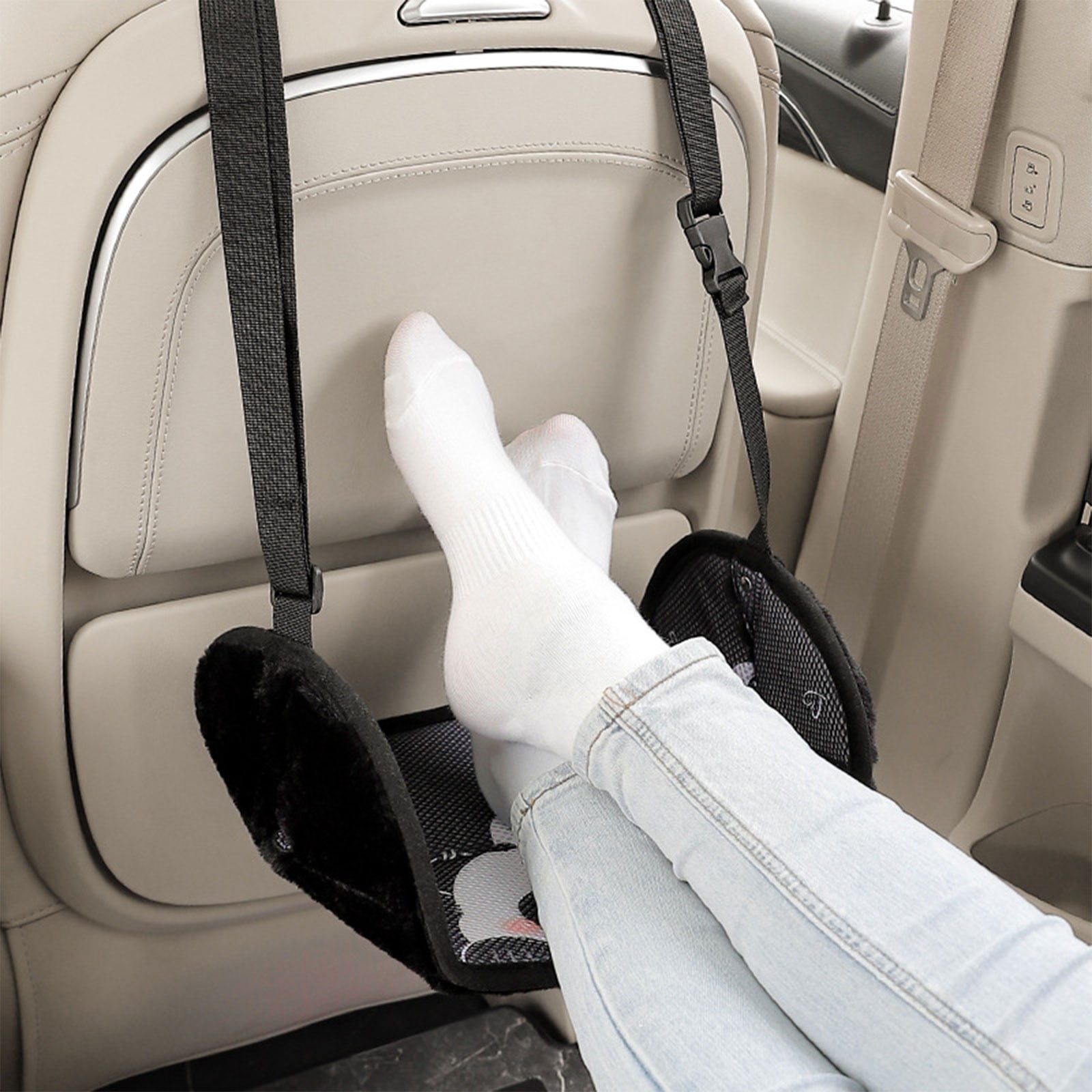
The headline is designed to stop a reader mid-scroll: a Chinese electric-vehicle maker, identified in the URL as Deepal, is said to want a foot bath in the back seat of a car. According to InsideEVs, that is the premise of a report tied to a patent. The claim is arresting because it moves the conversation about EVs away from range, charging, and software toward cabin wellness and unusual passenger amenities. It also arrives in a market where Chinese EV makers are frequently discussed as aggressive innovators and global competitors. Yet the provided material does not contain the article body, patent number, technical drawings, filing jurisdiction, vehicle application, or any statement from the company. The result is a headline that is easy to repeat and hard to verify.
Deep Dive
What can be established from the supplied record is narrow. The primary source is an InsideEVs item whose headline and URL assert that a Chinese EV maker wants to put a foot bath in the back seat of a car and that the concept is connected to a patent. The URL points to a Deepal-branded patent page, but the provided material does not independently confirm the maker, the patent, or any implementation details. The fact-check audit classifies both the foot-bath claim and the patent connection as single-source and unverified. No contradictions were identified, but absence of contradiction is not the same as corroboration.
The other items supplied as corroboration do not address the foot-bath claim. Their headlines concern Chinese EV makers being shut out of India while their technology is not, Chinese EV makers outpacing U.S. automakers in overseas investments, and arguments for and against Chinese EVs entering the U.S. market. Those are broader industry themes. They help explain why a quirky patent headline might attract attention, but they do not verify that a back-seat foot bath has been patented, prototyped, or planned for production.
That distinction matters. Patent filings are often used by automakers to protect ideas that may never reach a showroom. A filing can reflect defensive intellectual-property strategy, engineering exploration, supplier collaboration, or a marketing-friendly concept rather than a committed product roadmap. Without the patent text, it is impossible to know whether the filing describes a heated water basin, a removable foot-well insert, a drainage system, an electrical safety architecture, or a more modest comfort feature. The supplied record does not say.
From a general engineering perspective, a rear-seat water feature would raise questions that any automaker would have to answer before production: water containment, spill resistance, heating and temperature control, electrical isolation, cleaning, odor control, corrosion, weight, and serviceability. Those are standard automotive concerns, not claims about Deepal. They illustrate why a patent headline should be treated as a starting point for reporting rather than as evidence of a vehicle feature.
Audit & Contradictions
The announcement, as represented by the headline and URL, leaves out almost everything a reader would need to assess it. It does not identify a patent number, filing date, jurisdiction, assignee, inventor, vehicle platform, production intent, market, price, or launch window. It does not explain how water would be supplied, heated, drained, or cleaned. It does not address safety testing, regulatory approval, warranty implications, or whether the feature is intended for a concept vehicle, a production model, or a patent portfolio.
The fact-check audit found no contradictions in the provided material. Its contradiction level is low. That is a limited finding: it means the supplied sources do not conflict with one another, not that the foot-bath claim has been independently confirmed. The claim remains single-source. The appropriate editorial treatment is hedged language: the company is said to want the feature, according to the source, and the patent connection is asserted by the same source. This article does not present either as established fact.
There is also a source-integrity issue. The fact-check audit says the primary source is recoverable only as its headline and URL, even though the scrape status describes the article text as available. For an investigative desk, that mismatch is itself a reporting problem: the headline can travel farther than the underlying document. In this case, the desk should not build analysis on details that are not present in the supplied record.
Future Outlook
If the claim is later substantiated, it could become a case study in how EV makers differentiate through cabin experience rather than drivetrain specifications. It would also raise practical questions for regulators, insurers, and service networks about water, electricity, and hygiene in passenger compartments. Those questions are general and would apply to any automaker attempting a similar feature.
If the claim is not substantiated, it still has value as a warning about patent-headline journalism. A single catchy idea can outrun the documentation that supports it, especially in a fast-moving sector where readers are primed to expect unconventional features from Chinese EV brands. The broader context supplied by the other headlines—market access barriers, overseas investment, and debate over U.S. entry—shows why such stories resonate. But resonance is not verification. For now, the only defensible statement is the narrow one: according to InsideEVs, a Chinese EV maker is said to want a back-seat foot bath, with a patent connection asserted by the same source and no independent corroboration in the provided material.