Lead Hook
The headline version is simple: a driver allegedly hit 120 mph in a rental Toyota RAV4 because a passenger was late for court. The more consequential version, as described by the primary report, is a chain of overlapping exposures: a Super Speeder arrest, outstanding felony warrants, a towed rental vehicle, a $500 bond, and potential jail time. The incident, as reported, is less a spectacle than a case study in how one traffic stop can convert a favor into legal and commercial liability for multiple parties.
Deep Dive
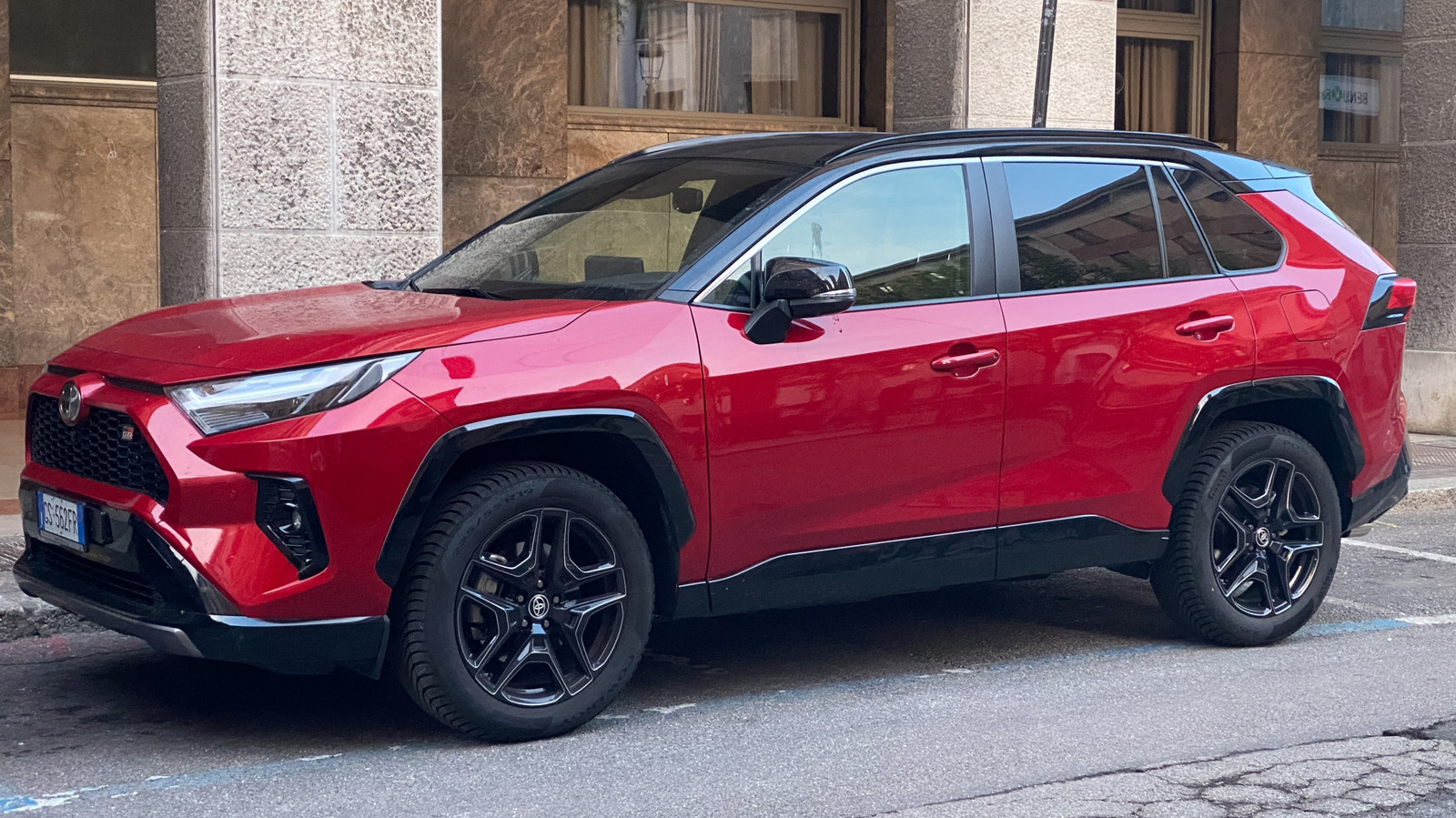
According to CarScoops, which cites Guessing Headlights, the stop occurred on October 29, when a trooper clocked a 2025 RAV4 at 120 mph on Interstate 95 in Volusia County. The report says trooper Rickie R. Zigler accelerated to 131 mph to catch up, after which the RAV4 driver pulled over and was taken to his car. The driver is identified as 22-year-old Medjine Carmelie Francois. The same report says she told the trooper one of her passengers was running late; the sentence is garbled and does not clearly state a coherent factual claim beyond that general explanation.
The report's passenger details are more specific. It says passenger Keyshawn Charles Bennett, also 22, had a hearing scheduled seven minutes after the trooper first spotted the Toyota, and that he had two outstanding felony warrants for failing to appear in court in that same case. Troopers arrested Bennett on those warrants and Francois on a charge of driving at least 50 mph over the limit. Both were taken to Volusia County Jail, and the Toyota was towed. Francois' bond was listed at $500, though the report says she is likely on the hook for much more.
The vehicle's rental status adds a commercial layer that a privately owned car would not. The report says the RAV4 was a rental and that the rental car company does not get a special exemption to simply pick it up whenever this sort of thing happens. That implies the company's asset is now tied up in the same enforcement sequence as the arrests and towing, even though the report does not describe any claim against the rental company itself. The report also states that if Francois is convicted, she faces up to 30 days in jail, a $500 fine, or both.
The legal backdrop is Florida's Super Speeder law, which the report describes as sending anyone caught going over 100 mph or 50 mph above the speed limit to jail. In this account, that threshold is central: a speed alleged to be 120 mph is not merely a citation-level event but, under the law as described, a jail-triggering charge. The report's own framing therefore turns the stop into a test of how aggressively the state treats extreme speeding when it intersects with an unrelated court obligation.
Independent corroboration is thin but present. Autoblog's headline corroborates the broad event and the 120 mph speed: a woman caught driving 120 mph because a passenger was late for court. The CarScoops/Bing item is the same report, not independent corroboration. As a result, the date, location, trooper name and speed, identities, charges, bond, rental status, penalties, and Super Speeder details remain single-source assertions that should be attributed to the primary report rather than treated as independently verified.
Audit & Contradictions
The report contains two notable tensions. First, its opening "car chase" framing conflicts with its own description of the stop: the trooper caught up, the RAV4 driver pulled over, and she was taken to his car. Nothing in the described sequence establishes a pursuit. Second, the sentence saying the passenger was "running late for right around its top speed" is garbled and does not clearly state a factual claim. The report should not be read as establishing that the passenger's lateness was tied to any specific speed or that the vehicle's maximum speed was tested.
Single-source status matters here. The verified claims are narrow: a woman was caught driving a RAV4 at 120 mph because a passenger was late for court, and the reported speed was 120 mph. Everything else—October 29, Interstate 95 in Volusia County, trooper Rickie R. Zigler's 131 mph catch-up speed, the identities and ages, the seven-minute hearing gap, the two felony warrants, the charge of at least 50 mph over the limit, the Volusia County Jail bookings, the tow, the $500 bond, the rental status, the potential 30-day jail term and $500 fine, and the Super Speeder threshold—comes from the primary report alone. The report's 2025 model-year reference and its closing quip that "the latest RAV4 can hit 120" should also be treated as an unverified technical assertion rather than a tested specification.
Contradiction level is Medium, not Low or None, because the "car chase" wording and garbled passenger sentence conflict with the report's own pull-over description. That does not invalidate the entire account, but it does limit how much of the narrative can be treated as clean fact.
Future Outlook
The immediate stakes are personal and legal: if the single-source allegations hold, Francois faces the Super Speeder exposure described in the report, while Bennett's court and warrant issues are compounded by the stop. The broader question is systemic. A rental vehicle in an extreme-speed arrest creates a three-way accountability problem among driver, passenger, and asset owner, and the report's note that rental companies do not get a special exemption to recover a vehicle suggests enforcement friction that could outlast the criminal case. Whether rental agreements, fleet monitoring, or Super Speeder enforcement evolve in response is not established by the available material; those are open questions rather than predicted outcomes. What is clear is that the report's most durable contribution may be its reminder that a traffic stop can surface unrelated legal exposure—in this case, warrants and a pending hearing—while leaving the public with an unverified top-speed boast about a popular SUV.