Lead Hook
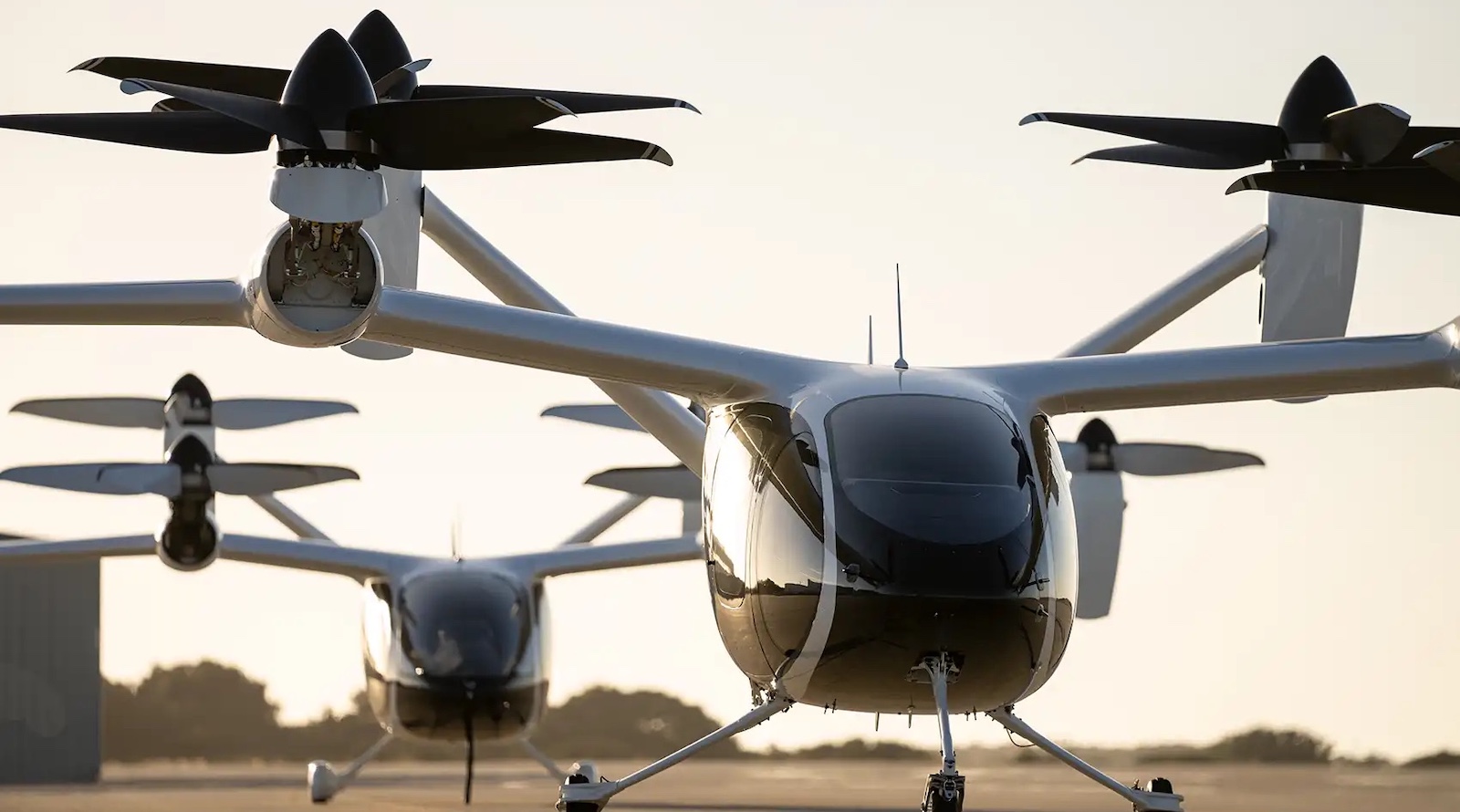
When Joby Aviation announced a half‑billion‑dollar acquisition of defense‑technology firm Resonant Sciences, the headline grabbed attention. Yet the real story lies in what the deal reveals about the financial lifelines of electric vertical take‑off and landing (eVTOL) startups. By moving a sizable portion of its capital into a military‑focused business, Joby may be betting that defense contracts—not passenger air‑taxi rides—will fund the next generation of electric aircraft. The shift raises questions about the viability of commercial eVTOL timelines, the allocation of scarce engineering talent, and the broader influence of geopolitical conflict on an industry that has marketed itself as a clean‑mobility solution.
Deep Dive
According to CleanTechnica, Joby will fund the acquisition with roughly $450 million in cash and $50 million in its common stock, creating a combined entity that controls about 1 million sq ft of manufacturing, integration and testing space in the Dayton, Ohio region. The deal is slated to close in the first half of 2027.
Resonant Sciences, described by the source as a Dayton‑based designer of advanced radio‑frequency and mission systems for U.S. national‑security customers, brings a portfolio of technologies that “help aircraft see, communicate, and operate in complex environments.” Joby CEO JoeBen Bevirt told Reuters that integrating these capabilities allows the commercial team to stay “laser focused on delivering on the air‑taxi mission,” while opening new markets by pairing its products with Resonant’s tech.
The strategic rationale aligns with a broader industry observation quoted by Reuters and reproduced in the source:
“Electric vertical take‑off and landing aircraft (eVTOL) companies are focusing more on the military market as commercial development has taken longer than expected and defense spending has ramped up, driven by wars in Ukraine and the Middle East.”The wars have spurred a surge in defense budgets, creating a lucrative, near‑term revenue stream for firms that can adapt their electric propulsion and autonomy expertise to military applications such as hybrid VTOL drones and autonomous reconnaissance platforms.
From a capital‑efficiency perspective, the $500 million outlay represents a significant allocation of Joby’s cash reserves at a time when its own air‑taxi program has yet to achieve commercial certification. The move may mitigate cash‑flow risk by locking in future defense contracts, but it also ties up resources that could otherwise accelerate certification testing, battery integration, and fleet scaling. The 1 million sq ft of facilities will likely be split between defense‑specific assembly lines and the existing commercial eVTOL production footprint, potentially creating internal competition for skilled engineers, supply‑chain slots, and test‑bed capacity.
Financial markets reacted modestly. Per the same source, Joby’s shares slipped 6.5 % in pre‑market trading after the announcement. While a single‑day dip does not capture long‑term valuation impacts, it signals investor caution about the company’s pivot toward a sector that, although lucrative, may dilute focus on the promised air‑taxi service that underpins many of Joby’s public forecasts.
Regulatory implications also emerge. Defense‑related flight testing often enjoys a separate set of clearances and may operate under classified parameters, potentially accelerating flight‑test milestones that are otherwise bottlenecked by civilian certification agencies. However, the dual‑use nature of the technology could invite heightened scrutiny from export‑control bodies, especially if the hybrid platforms incorporate autonomous decision‑making that blurs civilian‑military lines.
Audit & Contradictions
The CleanTechnica article is the sole source for all quantitative claims surrounding the deal. Fact‑check data confirms that the acquisition amount ($500 million), financing split ($450 million cash, $50 million stock), facility footprint (1 million sq ft), share dip (‑6.5 %), and closing timeline (first half of 2027) appear only in this report, with no corroborating coverage from other outlets at the time of writing. As a result, each of these points must be presented as “according to CleanTechnica” to acknowledge their single‑source status.
No contradictions were identified in the audit; the “contradiction_level” is listed as low, indicating that the claims do not directly conflict with any known external reporting. Nonetheless, the lack of independent verification means the financial details remain unvalidated beyond the publisher’s reporting.
Future Outlook
If Joby’s defense arm begins generating steady contract revenue, the company could use those funds to underwrite the costly certification and infrastructure build‑out required for a commercial eVTOL fleet. Competitors such as Archer Aviation and Lilium have also hinted at military collaborations, suggesting a possible industry‑wide pivot that could reshape the competitive landscape. However, reliance on defense spending ties the sector’s growth to geopolitical volatility; a de‑escalation in Ukraine or the Middle East could contract the budget streams that currently make the defense market attractive.
Regulators may need to adapt certification pathways that accommodate hybrid platforms straddling civilian and military use. Policymakers could also consider whether public incentives for eVTOL development should be contingent on a company’s commitment to commercial mobility versus defense contracts, especially if taxpayer‑funded research is leveraged for military applications.
For investors, the key question is whether the defense diversification will accelerate or stall Joby’s original air‑taxi promise. The cash‑heavy acquisition reduces immediate liquidity but may provide a more predictable revenue base. Market watchers will likely monitor upcoming defense contract announcements, the progress of hybrid VTOL prototypes, and any shifts in the company’s public roadmaps for passenger service.
In short, Joby’s $500 million defense purchase could be a pragmatic hedge against the long‑haul challenges of commercial eVTOL deployment, but it also signals a strategic re‑weighting that may reshape the narrative of electric air mobility from a clean‑transport story to one intertwined with national‑security imperatives.