Lead Hook
When a short clip of a burbling sports car roared around Fuji Speedway, the internet buzzed—not just about a new Toyota model, but about a potential shift in how the Japanese automaker will market its performance machines. If the prototype is indeed the long‑rumored mid‑engine sedan that could revive the Celica name, it may signal Toyota’s intent to push its Gazoo Racing (GR) badge to the forefront, sidelining the traditional Toyota badge on high‑performance products. That strategic pivot could reshape brand perception, dealer networks, and regulatory positioning at a time when automakers scramble to meet stricter emissions rules while still courting enthusiasts.
Deep Dive
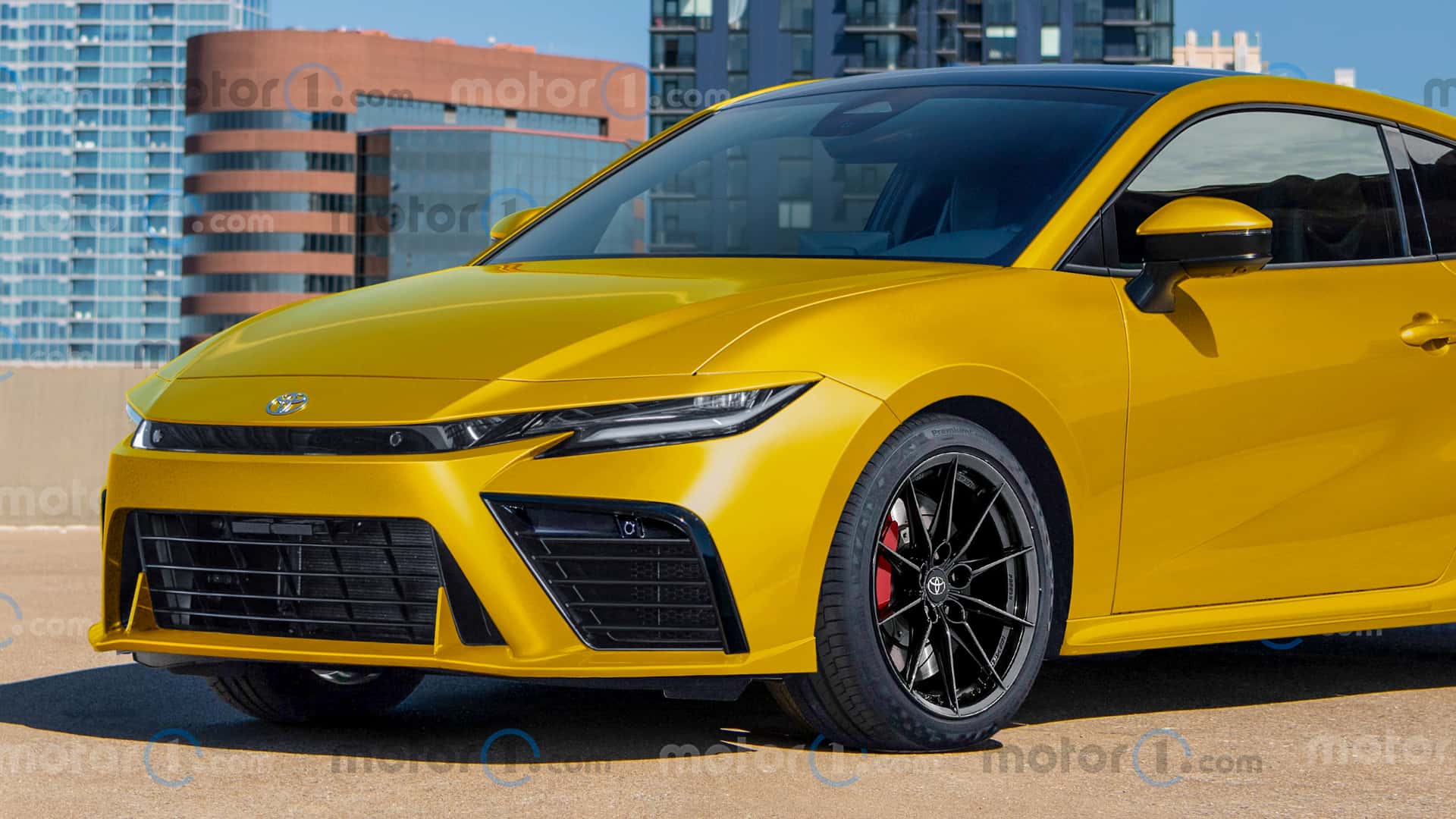
The video, posted on X by user @You_SuiKoyoAZ, shows a two‑door coupe with down‑turned headlights, a pronounced hood vent and sleek taillights—design cues that echo Toyota’s current styling language. The clip captures a distinctive burbling exhaust note and a shift pattern that hints at a manual gearbox, suggesting a driver‑focused experience (Motor1).
According to the same Motor1 report, rumors link the prototype to a new 2.0‑liter turbocharged four‑cylinder engine paired with all‑wheel drive under the GR banner. The article notes the car may even forgo the Toyota logo entirely, positioning Gazoo Racing as a standalone performance brand (Motor1). Power estimates range from roughly 400 hp for a road‑going version to a “hotter” 600 hp variant, with an unspecified level of electrification also in the mix.
While the figures sound impressive, they remain unverified beyond this single source. The same piece predicts a WRC‑spec version could appear as early as 2027, assuming the development schedule stays on track (Motor1).
What these details reveal, beyond the headline‑grabbing spy video, is Toyota’s possible strategic realignment. Historically, Toyota’s performance heritage lived under the Toyota name—think Supra, 86, and the original Celica. In recent years, the company has nurtured Gazoo Racing as a motorsport division, but the brand has rarely stood alone on production‑car badges. By potentially launching a flagship sports car under GR, Toyota could be echoing a broader industry trend where automakers create distinct performance sub‑brands (e.g., BMW M, Mercedes‑AMG) to separate high‑performance, higher‑emission products from the parent company’s mainstream, fuel‑efficiency narrative.
This separation offers several advantages. First, it provides a marketing buffer: a GR‑badged car can be positioned as a niche, enthusiast‑focused offering, allowing Toyota to claim that its core Toyota lineup remains committed to hybrid and low‑emission goals. Second, it simplifies regulatory reporting. In jurisdictions where fleet‑average CO₂ calculations penalize high‑output models, a separate brand can be accounted for differently, potentially easing compliance burdens.
Engineering a mid‑engine layout also marks a departure from Toyota’s conventional front‑engine architecture. The challenge lies in packaging a turbocharged four‑cylinder—and possibly an electric motor—while maintaining the balance and handling expected of a sports coupe. Sourcing a high‑output 2.0‑liter turbo, likely shared with other GR models, could leverage existing supply chains, but the integration of electrification adds complexity. If Toyota pursues a hybrid‑assist system to reach the rumored 600 hp figure, it must navigate battery placement, cooling, and weight distribution without compromising the low‑center‑of‑gravity benefits of a mid‑engine design.
From a capital‑efficiency standpoint, re‑using the 2.0‑liter turbo engine across multiple models could amortize development costs, a critical consideration as automakers face rising R&D expenditures for electrification. However, the decision to possibly omit the Toyota badge raises questions about dealer support. Toyota’s extensive dealer network is built around brand consistency; a GR‑only product may require specialized service training, marketing materials, and even separate showroom spaces, potentially straining the existing infrastructure.
Industry observers have noted that Toyota’s performance ambitions have been hinted at in other recent projects, such as the GR Corolla and the GR Yaris, both of which emphasize lightweight construction and AWD dynamics. The Fuji prototype appears to be the next logical step, aiming for a higher power envelope while still adhering to the GR philosophy of driver engagement.
Motor1’s Take: "If this is the long‑rumored Toyota Celica return, color us intrigued. It looks and sounds like an impressive little sports car."
This sentiment underscores the excitement among enthusiasts, but also highlights the gap between speculation and verified data.
Audit & Contradictions
The Motor1 article is the sole source for all core claims surrounding the Fuji video. The fact‑check audit flags the following as single‑source statements that should be hedged:
- The existence of a spy video showing a Toyota prototype at Fuji Speedway.
- The speculation that the prototype is a mid‑engine sports car intended to revive the Celica name.
- Power estimates of ~400 hp for a road version and ~600 hp for a higher‑output variant.
- The use of a new turbocharged 2.0‑liter four‑cylinder engine, AWD under the GR badge, and the possibility of no Toyota branding.
- The projected debut of a WRC‑spec version as early as 2027.
No independent outlet has corroborated these details, and the fact‑check summary notes a "Low" contradiction level, meaning no direct conflicts have been identified, but verification remains limited.
Future Outlook
If Toyota proceeds with a GR‑only mid‑engine sports car, the move could pressure rivals to sharpen their own performance sub‑brand strategies. BMW, Mercedes and Porsche already operate distinct performance divisions; a successful GR launch would reinforce the viability of separating high‑performance, higher‑emission models from the parent brand’s mainstream image.
Regulators may also take note. A GR‑branded vehicle could be classified differently for fleet‑average emissions reporting, potentially prompting other manufacturers to adopt similar branding tactics to manage compliance costs. Conversely, authorities might scrutinize such separations to ensure they do not constitute loopholes in emissions legislation.
From a market perspective, a revived Celica—or a new model filling that heritage slot—could attract younger buyers seeking a tangible, driver‑focused car in an era dominated by electrified crossovers. The rumored electrification element suggests Toyota is not abandoning its hybrid roadmap, but rather integrating modest electric assist to meet performance goals without sacrificing efficiency.
Ultimately, the Fuji video offers a tantalizing glimpse, but the story remains in its infancy. Until additional outlets confirm specifications, production timelines, or branding decisions, the automotive press—and potential customers—must treat the details as provisional. What is clear, however, is that Toyota appears to be testing the waters for a brand‑realignment that could reshape its performance portfolio for the next decade.