Lead Hook
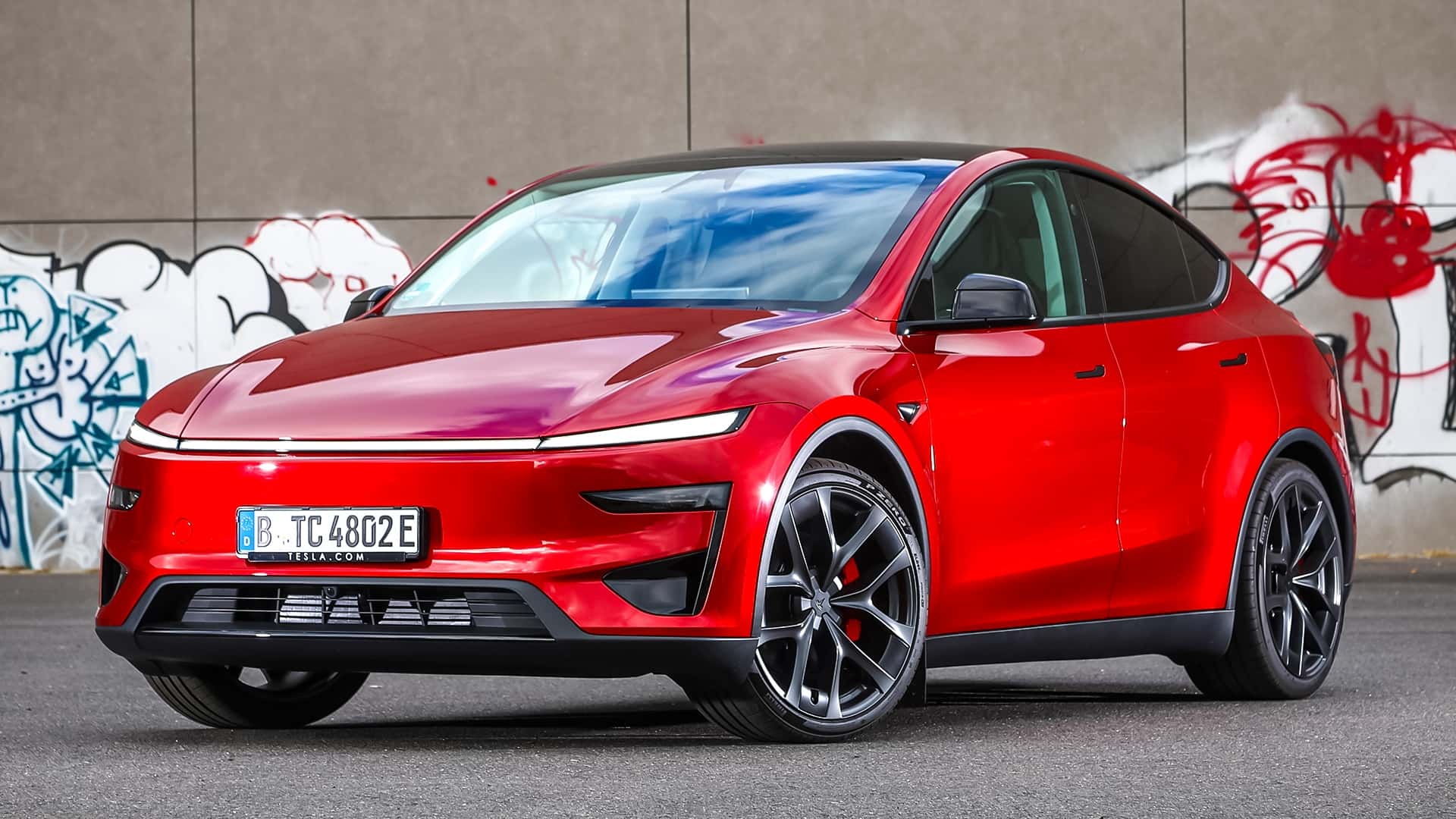
When a car is described as “too Canadian” it sounds like a tongue‑in‑cheek jab, not a safety issue. Yet Tesla has officially announced a recall of 15 Model 3 and Model Y vehicles that were inadvertently shipped from Canada to the United States. The recall is not driven by crashes or malfunctioning components; it is triggered solely because those vehicles do not satisfy U.S. Federal Motor Vehicle Safety Standards (FMVSS). While the number is minuscule, the episode sheds light on the hidden complexity of a globalized EV supply chain and the regulatory friction that can arise when a single model is built in multiple factories for different markets.
Deep Dive
Tesla manufactures the Model 3 and Model Y at several sites, including factories in Shanghai, Berlin and Fremont. Each plant can produce variants tuned to the safety and emissions rules of the destination market. According to the InsideEVs report, a handful of Canadian‑spec cars slipped through the logistics net and were delivered to U.S. customers. Because Canada’s safety code does not require knee airbags and does not mandate the same bumper‑impact testing as the United States, those vehicles technically fail to meet FMVSS.1
The recall is limited to 15 units, a figure the source describes as “shockingly small.” Tesla’s response, as detailed by the same article, is to rescind any letters of compliance for the imported cars, buy them back, and allow owners to reorder U.S.‑spec versions. The buy‑back window is set for September 5, and the company reports that none of the 15 vehicles have been involved in a crash.1
While the recall itself is straightforward, the underlying mechanics reveal a broader operational challenge. When a manufacturer sources components and assembles vehicles across continents, the final step of market‑specific certification becomes a bottleneck. A mismatch in a single part—such as the absence of a knee‑airbag inflator—can render an entire vehicle non‑compliant in a different jurisdiction. For Tesla, which prides itself on rapid production cycles and a “software‑first” approach, the incident underscores the importance of robust tracking of regional specifications throughout the supply chain.
Regulatory differences between Canada and the United States have historically been modest, but they are not negligible. The FMVSS includes explicit requirements for frontal and side impact protection, airbag deployment thresholds, and bumper performance. Canada, while aligning with many North American standards, retains its own safety code that, for example, does not mandate knee airbags. The InsideEVs article notes this divergence as a key factor in the recall, but it is the only source that spells out the knee‑airbag detail. Independent outlets such as MotorTrend, Road & Track and MSN have confirmed the recall itself but have not repeated the specific safety‑spec comparison.
From a cost perspective, recalling 15 vehicles is negligible for a company with Tesla’s scale, yet the episode could have reputational ramifications. A recall—no matter how small—invites scrutiny from regulators, consumer‑advocacy groups, and the media. It also forces the automaker to allocate resources to reverse logistical steps: notifying owners, arranging transport, and re‑issuing compliance documentation. In a market where recalls can affect tens of thousands of units, this incident serves as a micro‑case study of how even a tiny slip can ripple through brand perception.
Audit & Contradictions
The core fact—that Tesla is recalling 15 Model 3/Y vehicles imported from Canada because they do not meet U.S. safety standards—is corroborated by multiple outlets, including MotorTrend, Road & Track and MSN. This cross‑source confirmation gives the claim a high reliability rating.
All other details appear solely in the InsideEVs piece and must therefore be presented with caution. The article claims that Canadian models lack knee airbags, that their bumper impact resistance was not tested to U.S. standards, that owners will be bought back by September 5, and that no crashes have been reported involving the 15 cars. Since no independent source repeats these points, they are treated as single‑source statements and are hedged accordingly (e.g., “According to InsideEVs…”). The fact‑check audit notes a low level of contradiction, meaning no conflicting reports have emerged, but the reliance on a single source for these specifics remains a limitation.
Future Outlook
The recall, while numerically insignificant, may prompt Tesla and other manufacturers to tighten their cross‑border compliance checks. As EV production becomes increasingly global— with factories in China, Europe and the United States churning out the same nameplates—ensuring that each vehicle carries the correct market‑specific safety package will require more granular data‑tracking and perhaps a unified compliance database.
Regulators could also respond by tightening oversight of “spec‑matching” during the import process. The U.S. National Highway Traffic Safety Administration (NHTSA) may issue guidance reminding manufacturers that even minor spec differences constitute a non‑compliance risk. For competitors, the incident highlights an opportunity: firms that can guarantee seamless market‑specific certification may gain a trust advantage, especially as consumers become more safety‑conscious.
Finally, the episode serves as a reminder that the regulatory landscape, though often perceived as a backdrop, can directly influence a company’s operational costs and brand narrative. In an industry where margins are under pressure from raw‑material prices and intense competition, avoiding even a 15‑vehicle recall can be a worthwhile investment.