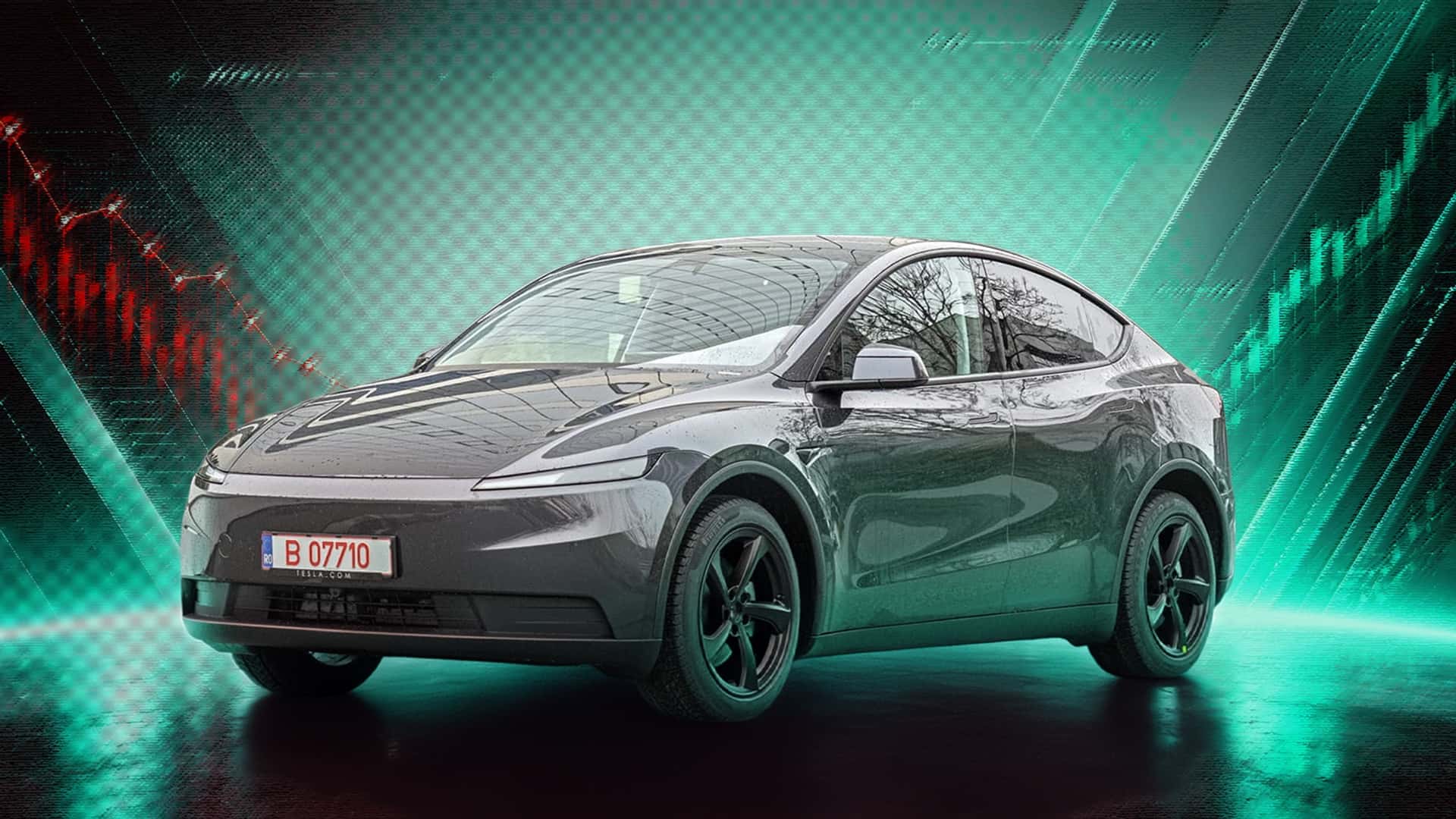
Lead Hook
When Tesla announced a 25% jump in deliveries for the second quarter of 2026, the headline seemed to signal a comeback after a difficult 2025. Yet the same quarter saw operating profit tumble by more than half. The contrast reveals a deeper story: the company’s aggressive push into artificial intelligence, robotaxis and the Optimus humanoid is draining cash faster than its core auto business can replenish, raising fundamental questions about capital efficiency and the sustainability of its growth narrative.
Deep Dive
According to InsideEVs, Tesla shipped 480,126 vehicles in Q2 2026, roughly a 25% year‑over‑year increase. This figure was also reported by Startup Fortune and The New York Times, confirming the scale of the delivery rebound.
Revenue, however, tells a more nuanced picture. InsideEVs notes a 26% rise to $28.24 billion, but operating income fell 57% to around $400 million, and adjusted earnings slipped to 33 cents per share versus the 51‑cent consensus. The company’s automotive gross margin contracted to 16.3%, and average revenue per vehicle dropped to about $42,730 from $45,345 a year earlier. These margins are further squeezed by a sharp decline in regulatory‑credit revenue, which fell to $146 million – down from $380 million in Q1 2026 and $439 million in Q2 2025.
Behind the margin compression is a surge in spending on non‑core ventures. Research and development expenses jumped 49% to $2.37 billion, driven largely by investments in artificial intelligence, the nascent Robotaxi network and the Optimus humanoid robot. Total cash outflows reached $5.8 billion, leaving a net cash burn of $1.1 billion for the quarter.
Energy storage, a smaller but growing segment, performed well: Tesla deployed a record 13.5 gigawatt‑hours of battery capacity in Q2 2026. The Full Self‑Driving (FSD) subscription base approached 1.5 million users, buoyed by recent roll‑outs in several European markets. A non‑operating boost came from an estimated $1 billion uplift tied to the increased valuation of Tesla’s SpaceX stake, a gain that masks the underlying operating weakness.
The financial picture suggests that while the vehicle‑selling engine is humming, the profitability of each car is eroding. The decline in average revenue per vehicle and the loss of regulatory‑credit income remove two traditional buffers that have historically helped Tesla offset production costs. At the same time, the company is betting heavily on future technologies that have yet to generate cash flow, creating a widening gap between headline sales figures and bottom‑line performance.
Audit & Contradictions
Fact‑checking the earnings release shows that the delivery number – 480,126 vehicles, a 25% YoY increase – is corroborated by multiple outlets, including Startup Fortune and The New York Times. All other quantitative details – revenue of $28.24 billion, operating income of $400 million, 33‑cent EPS, 16.3% automotive margin, $42,730 average revenue per vehicle, $146 million regulatory‑credit revenue, $2.37 billion R&D spend, $5.8 billion total spend, $1.1 billion cash‑flow deficit, 13.5 GWh energy‑storage deployment, ~1.5 million FSD subscribers, and the $1 billion SpaceX valuation gain – appear only in the InsideEVs report. Because these figures lack independent confirmation, they must be presented as company‑provided data, e.g., “According to InsideEVs, …”. No contradictions were identified across the sources, so the overall contradiction level is low.
Future Outlook
The divergence between sales growth and profit decline puts pressure on Tesla’s capital allocation strategy. Competitors such as BYD, Ford and emerging Chinese players are watching closely; they can leverage the same AI and autonomous‑driving trends without sacrificing current profitability, potentially attracting investors seeking near‑term cash generation.
For regulators, the shrinking reliance on emissions‑credit sales – a revenue stream that has historically softened the impact of margin swings – may raise questions about the long‑term viability of credit‑based subsidies, especially as more automakers meet stricter standards.
Investors will likely demand clearer timelines for monetizing AI, robotaxi and Optimus initiatives. Until those projects begin to contribute measurable revenue, Tesla’s ability to fund them may depend on continued access to cheap capital, which could be constrained if operating cash flow remains negative.
In short, the headline‑grabbing delivery surge masks a structural profit challenge. How Tesla bridges the gap between its futuristic ambitions and the cash‑flow realities of its core business will determine whether the company can sustain its market‑leadership narrative beyond the next earnings cycle.