Lead Hook
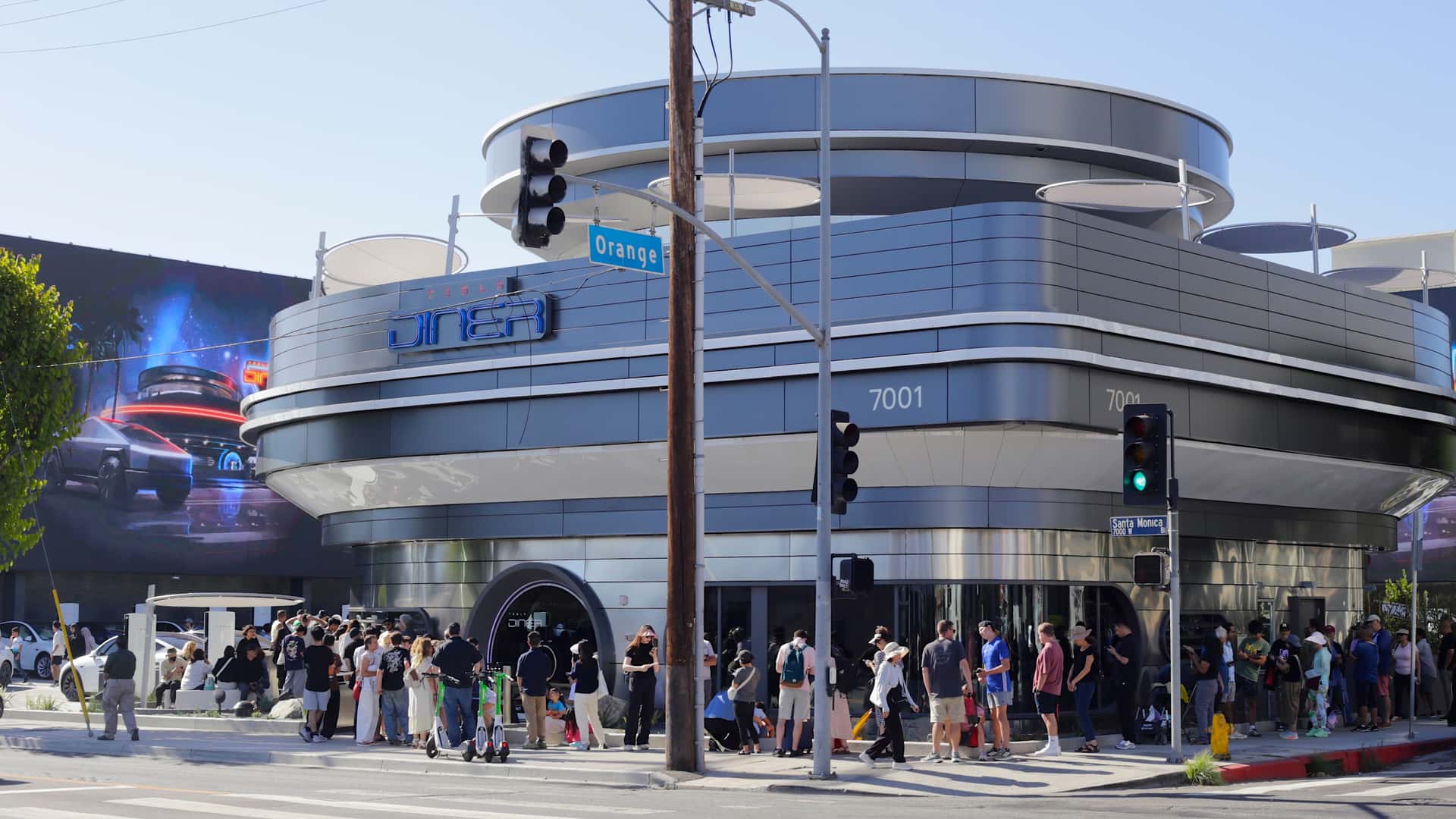
When Tesla opened its Hollywood‑area diner‑Supercharger combo last year, the headline was the novelty of grabbing a milkshake while a Model Y topped up. The real story, however, is the station’s staggering utilization: roughly 1,600 charging sessions per day, a figure that makes it the busiest Supercharger on the planet. That level of traffic not only validates the concept of destination‑style charging but also raises questions about how automakers can turn costly infrastructure into a revenue engine.
Deep Dive
According to InsideEVs, the Tesla Diner averaged 1,600 sessions daily over its first year, a usage rate that eclipses any other Supercharger globally. Independent outlets such as driveteslacanada.ca and The Guardian reported the same milestone, confirming the claim across multiple sources.
In that same period the site delivered a total of 21.2 GWh of electricity from its 80 charging stalls, a figure reported only by the InsideEVs piece. While the article translates that amount into enough power for 1,964 average American homes for a year, the underlying implication is the sheer energy throughput that a single, well‑located Supercharger can handle when paired with a venue that keeps drivers on‑site longer.
The Diner’s design goes beyond a simple charger. InsideEVs notes that customers can place food orders directly from the car’s infotainment screen, with meals brought to the vehicle while it charges. The venue also doubles as a drive‑up movie theater, featuring two 66‑foot LED screens that stream films to cars via a dedicated app, allowing occupants to enjoy audio through their vehicle speakers. These amenities are meant to stretch the average dwell time from a quick 15‑minute top‑up to a half‑hour or more, increasing the amount of electricity sold per visit.
From a capital‑efficiency standpoint, this model tackles one of the biggest challenges facing EV charging networks: high upfront infrastructure costs versus relatively low per‑kWh revenue. By integrating retail and entertainment, Tesla can capture ancillary spend – food, beverages, and potentially ticket sales – that supplements the margin on electricity. If the 1,600 daily sessions translate to roughly 2,000 kWh per day (a conservative estimate based on typical Supercharger session sizes), the electricity revenue alone would be modest. The added dining and entertainment spend, however, could substantially improve the site’s overall profitability.
Elon Musk’s public hint that “more Tesla Diners are coming soon,” also cited by InsideEVs, suggests the company sees this hybrid model as scalable. While the statement lacks a timeline, the strategic intent appears clear: replicate a high‑traffic, revenue‑rich node in other markets where land costs and regulatory environments allow.
Regulators may need to weigh in as these sites blur the line between transportation infrastructure and hospitality venues. Zoning approvals, health‑code compliance, and fire‑safety standards for a full‑service kitchen differ from those for a typical parking lot charger. The Los Angeles location’s success could prompt municipalities to reconsider how they classify and permit such mixed‑use facilities, potentially smoothing the path for future deployments.
From a supply‑chain perspective, building a 80‑stall Supercharger with integrated dining facilities demands coordination between electrical contractors, kitchen equipment suppliers, and audiovisual installers for the 66‑foot LED screens. The complexity raises the bar for future sites, especially in regions where skilled labor for high‑power DC fast charging is already scarce.
Audit & Contradictions
The announcement focuses on utilization numbers, but it omits several key details that remain unverified outside the primary source. The total energy delivered (21.2 GWh), the exact number of charging stalls (80), the existence of the drive‑up movie theater, and the in‑car food‑ordering feature are all reported solely by InsideEVs. As such, these points should be presented with hedging language, e.g., “According to InsideEVs, the Diner includes…”. No contradictions were identified in the fact‑check audit; the overall contradiction level is low.
Future Outlook
If Tesla can demonstrate that the diner‑Supercharger model delivers a clear financial upside, competitors may follow suit. Companies like ChargePoint and EVgo have experimented with coffee kiosks and retail pop‑ups, but none have integrated a full‑service restaurant and entertainment experience at this scale. A successful rollout could force the broader industry to rethink the economics of charging stations, shifting from a pure electricity‑sales model to a destination‑based revenue mix.
Moreover, the model could influence policy. Cities aiming to accelerate EV adoption might offer incentives for “multi‑use” charging hubs that provide community amenities, thereby aligning public goals with private profitability. Conversely, regulators could impose stricter requirements on food‑service licensing, potentially raising the cost barrier for smaller operators.
Ultimately, the Tesla Diner’s headline‑grabbing utilization metric is just the tip of the iceberg. The real test will be whether the ancillary revenue streams can offset the capital intensity of building such complex sites and whether the model can be replicated in markets with different real‑estate costs and regulatory climates. If it does, the next generation of EV charging could look less like barren parking lots and more like neighborhood gathering spots – a shift that would reshape both the EV ecosystem and the urban landscape.