Lead Hook
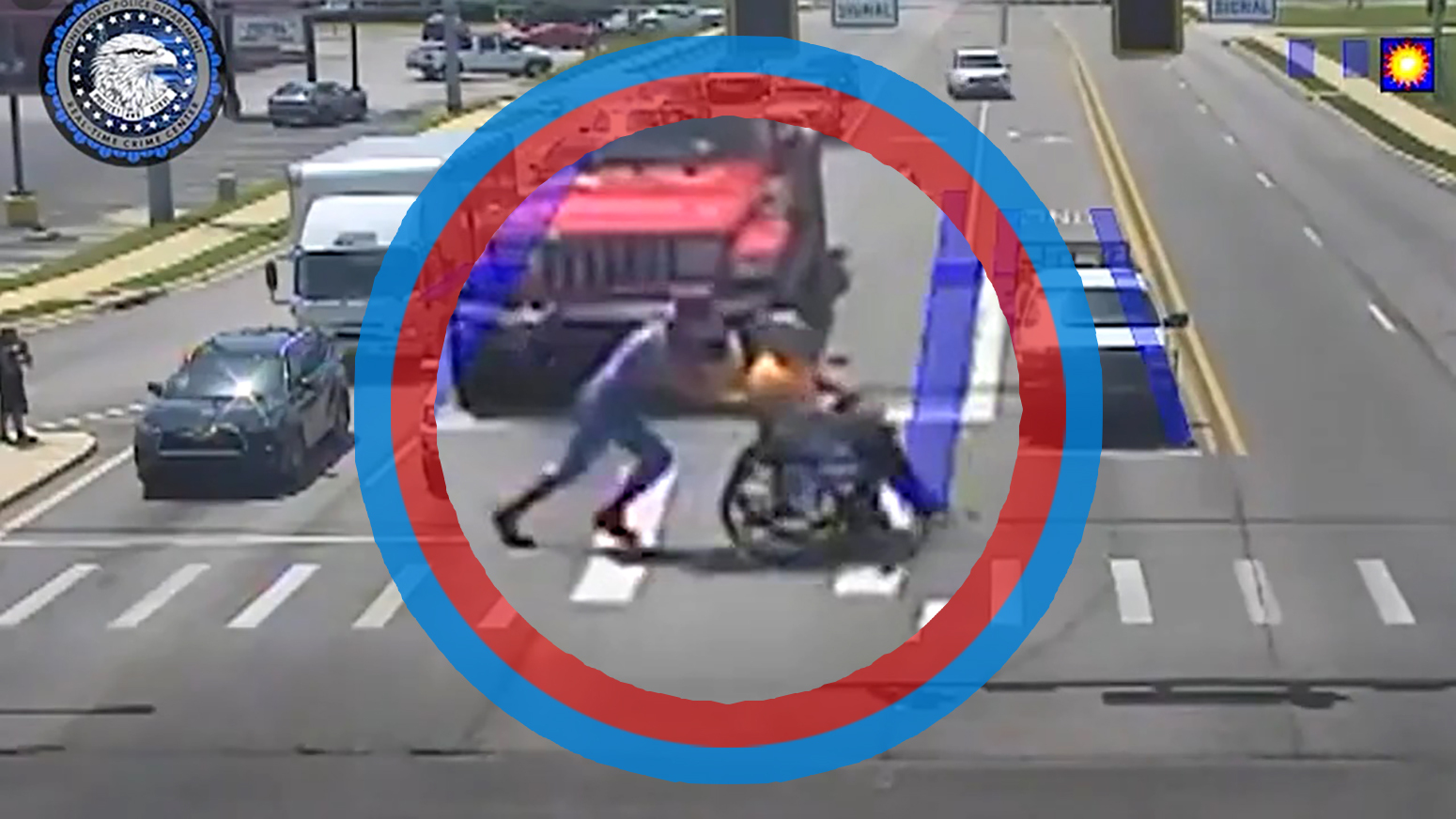
When a traffic camera in Jonesboro, Arkansas caught a figure in a full Spider‑Man suit leaping from a red Jeep Wrangler to push a wheelchair across a busy crossroads, the clip went viral for its feel‑good heroics. Yet the moment also raises a subtle question for the auto industry: how much of today’s brand‑building hinges on unscripted public‑service stunts that double as living advertisements?
Deep Dive
According to Carscoops, the rescue unfolded at the intersection of Caraway Road and Highland Drive, where a man in a wheelchair was struggling to cross as traffic waited. A red Jeep Wrangler pulled up, and a person in a Spider‑Man costume climbed out, grabbed the wheelchair handles, and pushed the occupant across before the opposing lanes turned green. The rescuer then returned to the Jeep, keeping an eye on traffic to avoid creating a new hazard.
The footage was recorded by a Jonesboro police traffic camera and later posted by the Jonesboro Police Department on its social‑media channels, where officials praised the quick thinking, noting that “red light or green light, there is always time to do the right thing.” Local residents echoed the sentiment, commenting that “not all heroes wear capes. Some drive Jeeps.”
The individual in the costume was identified as Chris Hellenthal, an employee of the nearby Ultimate Air Trampoline Park, who was wearing the uniform for a Superhero Day event. This identification was reported by both Carscoops and the local KATV news outlet, which corroborated the details of the rescue and Hellenthal’s affiliation.
While the act itself was a spontaneous act of kindness, its context intersects with a broader, long‑running partnership between Jeep and Marvel. The two brands have previously collaborated on special‑edition Wrangler models that feature Spider‑Man graphics and co‑branded marketing campaigns. Such collaborations are designed to align Jeep’s rugged, adventurous image with the larger‑than‑life appeal of Marvel’s superhero universe.
From a marketing perspective, the Jonesboro incident offers a potent, organic narrative that Jeep can leverage without the expense of a staged commercial. The real‑world heroics reinforce the brand’s messaging about capability, reliability, and community spirit. However, the line between genuine public service and brand amplification can become blurred. If consumers begin to view every community‑focused act by a brand‑affiliated individual as a calculated PR move, the authenticity that fuels word‑of‑mouth may erode.
Regulatory considerations also surface. Using a personal vehicle for an impromptu rescue raises questions about liability and insurance coverage. While no injuries were reported, the act involved navigating traffic and could have exposed both the driver and the wheelchair user to risk. Law enforcement’s decision to publicly commend the rescuer sidesteps a deeper discussion about whether such actions should be guided by formal protocols or remain spontaneous gestures of goodwill.
In the automotive sector, brand‑partner stunts are not new, but the digital age amplifies their reach. A single traffic‑camera clip can be shared millions of times, turning a local incident into a national talking point. Companies like Jeep must balance the benefits of this organic exposure against the potential backlash if the public perceives the act as a manufactured marketing ploy.
Audit & Contradictions
The primary report from Carscoops presents a clear sequence of events, and each core claim—Spider‑Man emerging from a red Jeep Wrangler, the police‑camera capture, and the identification of Chris Hellenthal as an Ultimate Air employee—has been corroborated by KATV’s coverage. The fact‑check audit notes no contradictions, labeling the overall claim set as fully supported. Because the facts are corroborated, there are no single‑source statements that require hedging.
What the announcement does not address is any formal statement from Jeep or Marvel regarding the incident. Neither company issued a press release, nor did they comment on whether the employee’s use of a company vehicle was sanctioned. Likewise, the police department’s post praised the act but omitted any discussion of liability or policy guidance for off‑duty employees who intervene in traffic situations. These gaps leave open questions about corporate responsibility and the legal framework surrounding spontaneous rescues involving branded vehicles.
Future Outlook
For Jeep, the Jonesboro episode could serve as a case study in how community engagement translates into brand equity. If the company chooses to amplify the story—perhaps by highlighting it in future advertising—competitors may follow suit, prompting a wave of “real‑world hero” campaigns across the industry. This could intensify scrutiny from consumer watchdogs and regulators who may demand clearer disclosures about employee‑initiated brand actions.
From a market perspective, the incident underscores the power of cross‑industry partnerships. As automakers increasingly align with entertainment franchises to attract younger demographics, the authenticity of those collaborations will become a differentiator. Brands that can demonstrate genuine community involvement, rather than merely staged spectacles, are likely to retain consumer trust.
Regulators may also take note. While no legal action was taken in this case, the growing prevalence of branded vehicles in public spaces could prompt municipalities to draft guidelines on when and how employees may use company assets for emergency assistance. Such policies would aim to protect both the public and the companies from unintended liability.
In the meantime, the image of a Spider‑Man‑clad figure steering a Jeep Wrangler through traffic will linger in the public imagination—a reminder that the line between heroism and marketing is increasingly porous, and that the next viral rescue could be as much a branding opportunity as a community service.