Lead Hook
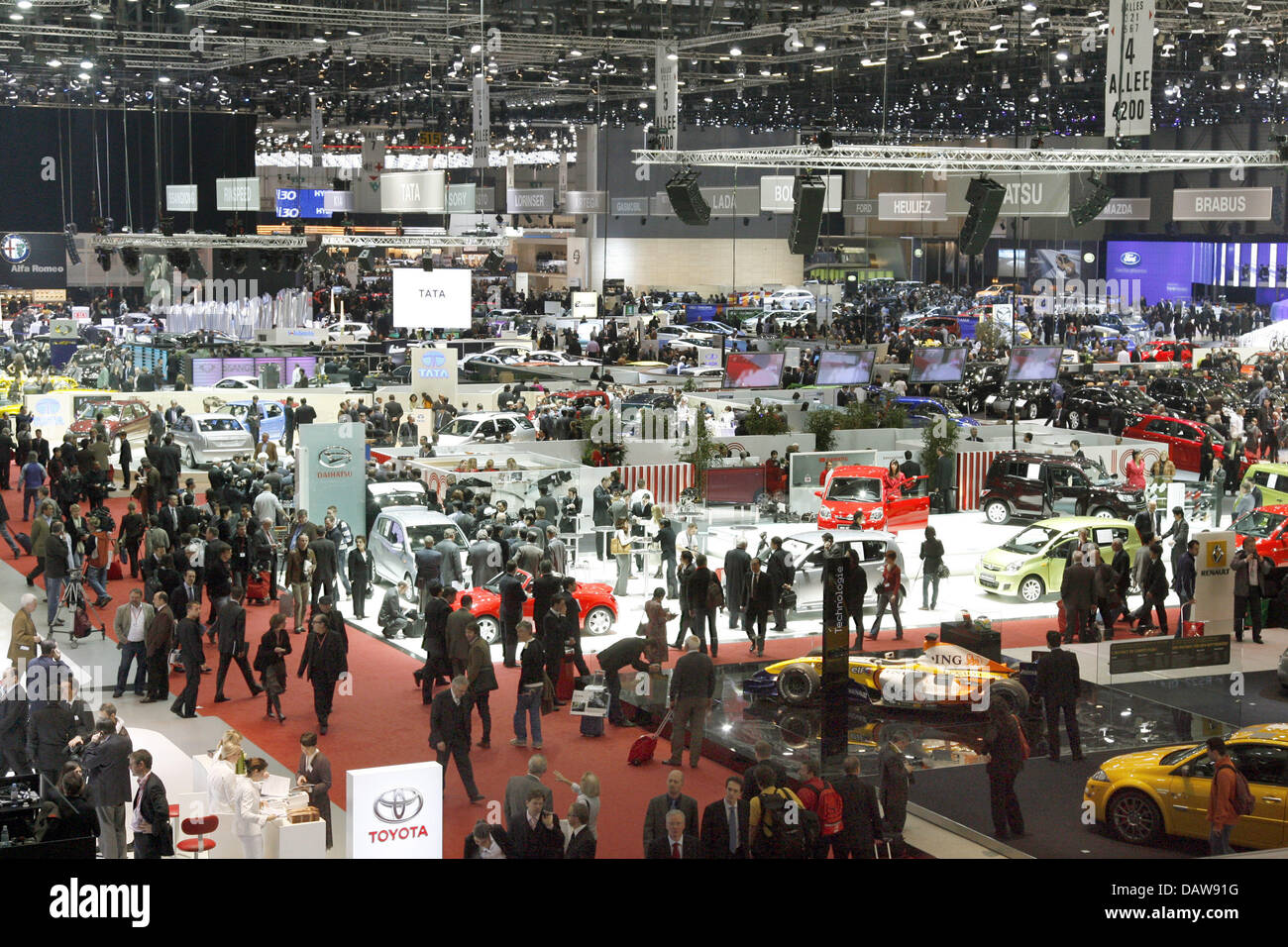
When the pandemic forced the cancellation of iconic events like the Frankfurt and Paris auto shows, many analysts declared the era of the physical motor show dead. Yet, a resurgence is now unfolding across Europe, and the comeback could reshape how manufacturers unveil new models, secure media coverage, and align supply chains for electric‑vehicle rollouts. Auto Express reports that the traditional motor show was thought to be dead, while independent coverage from Top Gear confirms that major European shows are returning. The revival may therefore provide a stage that automakers have been missing, a claim made by the primary opinion piece but not yet verified by other outlets.
Details sourced from published reports — full article may contain additional context.
Deep Dive
The revival of Europe’s flagship motor shows carries several technical and economic implications that go beyond the spectacle of concept cars. First, a live exhibition offers manufacturers a synchronized platform to showcase hardware and software innovations in real time. In an era where electric powertrains, advanced driver‑assist systems, and over‑the‑air updates dominate product narratives, a physical venue enables hands‑on demonstrations that digital streams struggle to replicate. This is especially relevant for battery‑electric models that require tactile verification of charging infrastructure compatibility and interior ergonomics.
Second, the return of these shows re‑injects a traditional marketing budget line that many OEMs had shifted to virtual events. According to Auto Express, the industry had pivoted to online launches after the perceived death of motor shows. Re‑allocating funds to a physical stage forces manufacturers to balance digital reach against the high‑impact, high‑cost nature of on‑site press days. The budgeting decision is further complicated by tightening EU emissions regulations, which demand rapid rollout of compliant EVs. A live event can compress the timeline between prototype freeze and market launch by consolidating media, dealer, and supplier briefings in a single, high‑visibility moment.
Third, the logistics of staging a motor show revive complex supply‑chain coordination. From transporting fully built prototypes across borders to ensuring that charging stations and power supplies meet local standards, the event acts as a stress test for the broader EV rollout network. Suppliers of high‑voltage components, battery packs, and infotainment hardware must align deliveries to meet the show’s strict deadlines, exposing any bottlenecks that could affect series production. In this way, the motor show functions as a micro‑cosm of the larger European EV supply chain, highlighting where capacity constraints may emerge.
Finally, the resurgence influences regulatory engagement. European regulators often attend major shows to gauge industry readiness for upcoming safety and emissions standards. A revived physical platform gives policymakers a direct line of sight into the technologies automakers are field‑testing, potentially accelerating the approval process for new powertrains or autonomous features. This dynamic was hinted at in the Auto Express piece, which suggested that the shows could give car makers the stage they’ve been missing, but the specific regulatory benefits remain to be quantified.
Audit & Contradictions
The core narrative—that traditional motor shows were considered dead and that major European events are now returning—is corroborated by multiple outlets, including Top Gear, which visited a 2025 show and reported the same revival trend. However, the assertion that this revival will provide car makers with a “stage they’ve been missing” appears solely in the Auto Express opinion article and is therefore a single‑source claim. As such, it should be framed as the author’s perspective rather than an established fact.
Fact‑check data indicates no contradictions between sources, and the overall contradiction level is low. Nonetheless, readers should note that the primary article’s full text was not available for scraping; the summary and external reports form the basis of this analysis.
Future Outlook
Looking ahead, the re‑emergence of Europe’s motor shows could force a strategic recalibration for both legacy manufacturers and new entrants. Companies that can leverage the live platform to deliver compelling EV experiences may gain a competitive edge in brand perception, especially as consumer trust in electric technology remains a growth lever. Conversely, firms that continue to rely exclusively on digital unveilings risk missing out on the concentrated media buzz and dealer engagement that a physical show generates.
Regulators may also respond by integrating show‑based briefings into their policy rollout calendars, using the events as informal checkpoints for compliance progress. Supply‑chain partners, from battery pack assemblers to charging‑infrastructure providers, will likely view the shows as a deadline‑driven catalyst to prove readiness for mass production.
In sum, while the revival of traditional motor shows does not guarantee market success, it restores a critical arena where technology, marketing, and regulation intersect. Automakers that treat the stage as more than a publicity stunt—using it to validate supply‑chain robustness, align with policy timelines, and deliver tangible EV experiences—will be best positioned to navigate the rapidly evolving European automotive landscape.