Lead Hook
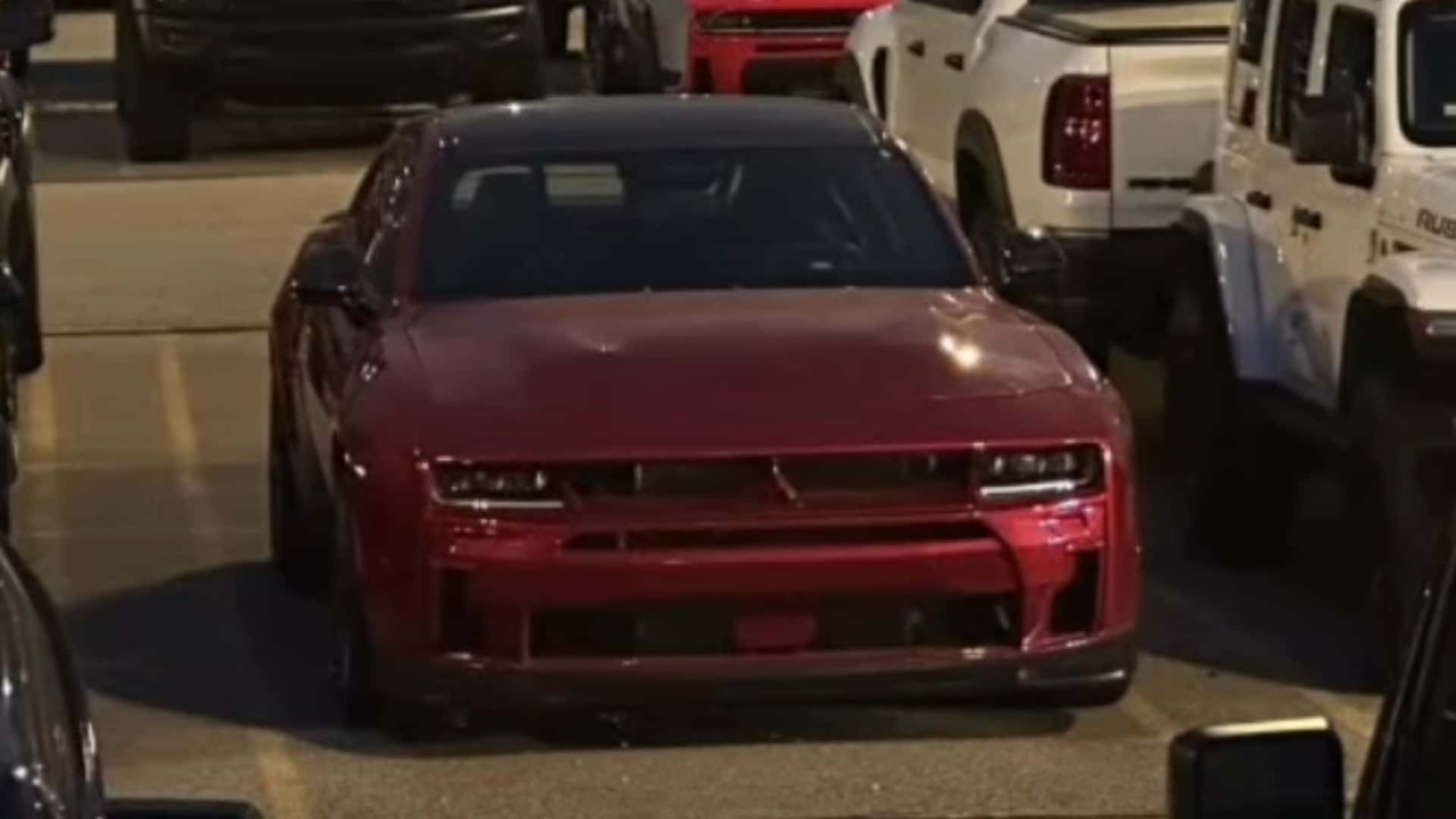
When a grainy Instagram clip of two Dodge Charger prototypes surfaced, the internet reacted like it was a new superhero movie trailer. The cars sport a redesigned front fascia, larger wheels and a windshield sticker that reads “Powered By SRT.” Beyond the eye‑catching styling, the footage hints at something far more consequential: Dodge may be gearing up to re‑introduce a V8‑powered Charger at a moment when U.S. emissions rules and a market pivot toward electric powertrains are tightening the noose around large‑displacement engines. If the prototypes are more than test mules, they could signal a high‑stakes gamble by Stellantis to keep a performance‑centric brand alive while the rest of the industry accelerates toward electrification.
Deep Dive
The video, first shared by Instagram account TK’s Garage, shows two front‑ends that differ enough to suggest distinct development paths. The first vehicle resembles a near‑production model, with a wider grille, aggressive bumper work and beefier wheels. The second appears more concept‑like, featuring a smaller grille opening, a unique paint wrap and the unmistakable
"Powered By SRT."windshield badge. Both shots are front‑only, leaving side‑profile, interior and powertrain details hidden.
According to Motor1, the clip aligns with earlier hints from Dodge CEO Tim Kuniskis, who has repeatedly suggested a future V8‑charged Charger and even floated the return of a Hellcat‑badge model. Those comments have been echoed by Car and Driver, which reported that the automaker is “gearing up to reveal the most powerful Charger Sixpack yet, and it could push 600 hp.” Yahoo Autos also ran the story, describing the footage as a possible first look at a new Dodge Charger SRT.
From a technical standpoint, re‑introducing a V8 into the Charger lineup would require a new powertrain architecture or a resurrected version of the 6.2‑liter HEMI that powers the current Hellcat. The challenge is twofold. First, the EPA’s 2027 greenhouse‑gas standards for passenger cars will tighten fuel‑economy requirements, effectively raising the cost of certifying a high‑displacement engine. Second, supply‑chain constraints that have already forced automakers to prioritize electric‑ready components could limit the availability of forged‑steel crankshafts, high‑strength pistons and other V8‑specific parts that have been deprioritized in recent years.
Stellantis’ broader electrification strategy—already committing billions to EV platforms—makes a V8 push appear counter‑intuitive. Yet Dodge’s brand equity rests heavily on raw performance, a niche that still commands premium pricing and a loyal buyer base. The current flagship, the Daytona Scat Pack, uses a high‑output twin‑turbo 3.0‑liter Hurricane inline‑six delivering 550 hp and 531 lb‑ft of torque, according to the Motor1 article. While impressive, that figure still lags behind the 717 hp of the outgoing Hellcat, suggesting a possible market gap that a new V8 could fill.
Financially, a limited‑run V8 could be more viable than a full‑scale production shift. By keeping the engine development in a low‑volume “SRT” sub‑brand, Dodge can amortize tooling costs over a smaller batch while preserving the brand’s performance halo. However, that approach also risks cannibalizing sales of the upcoming electrified models that Stellantis plans to roll out across its U.S. portfolio, potentially diluting resources at a time when battery‑cell supply is already stretched thin.
Regulators add another layer of complexity. The National Highway Traffic Safety Administration (NHTSA) and the Environmental Protection Agency (EPA) have signaled stricter testing protocols for high‑performance ICE vehicles, especially concerning real‑world emissions. A new V8 would need to meet these standards without sacrificing the sound and feel that SRT enthusiasts demand—a technical balancing act that could drive up development costs and extend the time to market.
Audit & Contradictions
The core story—two Charger prototypes with aggressive styling and a “Powered By SRT” windshield badge—has been corroborated by Motor1, Car and Driver, and Yahoo Autos. However, several details in the original Motor1 piece remain single‑source and should be treated with caution:
- The claim that TK’s Garage posted the video on Instagram is only mentioned in the primary article.
- The specification that the current Daytona Scat Pack produces 550 hp and 531 lb‑ft of torque appears solely in the Motor1 write‑up and is not independently verified.
- The statement that a “higher‑performance Charger is almost certainly on the way” is speculative language from the original piece and lacks external confirmation.
The fact‑check audit flags no direct contradictions between sources, resulting in a “Low” contradiction level. Nonetheless, the absence of official confirmation from Dodge or Stellantis means the prototypes could be test mules for unrelated components, early design studies, or even visual mock‑ups that never reach production.
Future Outlook
If Dodge follows through with a V8‑powered Charger, the move could force competitors—Ford’s Mustang Mach‑E GT and Chevrolet’s Camaro ZL1—to double‑down on their own performance ICE strategies, at least in the short term. Simultaneously, the broader market may see a bifurcated performance segment: one side chasing pure electric horsepower, the other clinging to traditional engine roar.
Regulators may respond by tightening certification pathways for high‑performance ICEs, potentially prompting Dodge to accelerate hybrid‑assist solutions that blend V8 torque with electrified efficiency. For Stellantis, the strategic calculus will revolve around whether the SRT halo can coexist with its EV rollout without cannibalizing investment or brand focus.
In the meantime, enthusiasts and analysts will continue to dissect every frame of the Tik‑garage video, looking for clues—wheel bolt patterns, badge placement, even the hue of the wrap—that could confirm whether the “Powered By SRT” badge is a genuine preview of a coming V8 beast or merely a fleeting test mule. Until an official unveiling, the story remains a tantalizing glimpse into how a legacy performance brand might navigate an industry that is rapidly electrifying around it.