Lead Hook
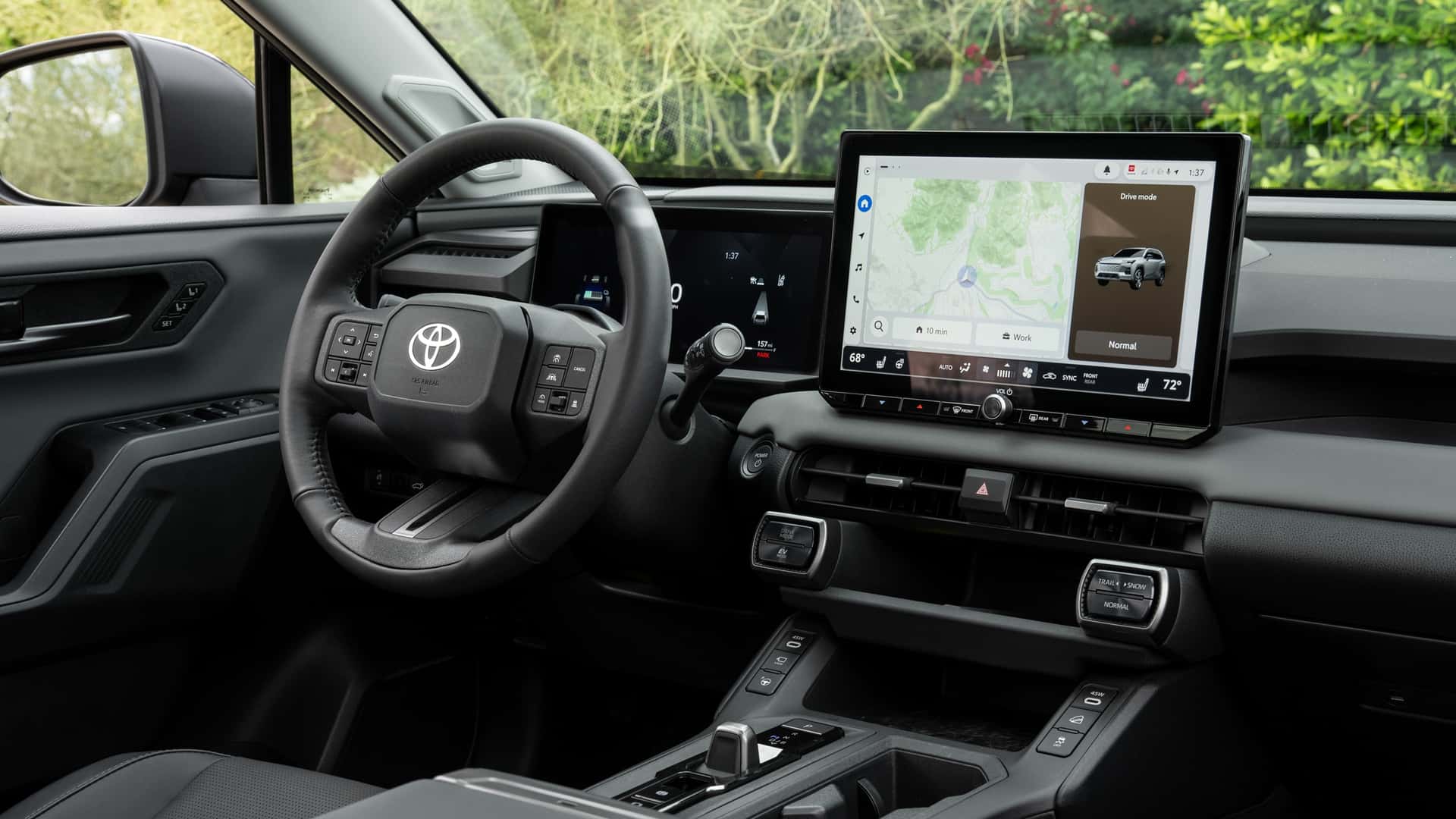
When the sixth‑generation RAV4 debuted, its sleek cabin showcased a near‑touch‑screen cockpit that stripped away many traditional knobs. The design was marketed as a step toward a cleaner, more software‑centric interior, yet the reaction in one of Toyota’s biggest markets has forced the automaker to reconsider. If the company follows through on the promise to “reinstate physical switches,” it could signal a broader shift: global manufacturers may have to retain tactile controls in regions where drivers still value them, even as they chase cost‑saving digitalization.
Deep Dive
According to Motor1, the sixth‑generation Toyota RAV4 launched with a redesigned cabin that reduced the number of physical buttons, moving many interior functions—such as fan speed—to the central infotainment screen while keeping temperature and volume knobs. Chief engineer Yoshinori Futonagane told Australia’s Drive that the company is actively evaluating consumer responses to that cabin layout. He described the decision point as “
it’s an open item at the moment” and added that the team may need to “
have to reinstate physical switches for some things.” When pressed, Futonagane affirmed, “
If necessary, yes, we will,” indicating a willingness to reverse the design if demand warrants it.
The feedback loop that prompted this reconsideration stems largely from Chinese buyers. Futonagane explained that when Toyota first attempted to place “as many controls as possible in the screen” for the RAV4, Chinese consumers “didn’t want it. They wanted knobs and switches.” The automaker has already begun adding physical switches to other models sold in that market, suggesting a strategic pivot to preserve sales momentum in a region that accounts for a substantial share of its global volume.
Why does a seemingly minor interior tweak matter to Toyota’s bottom line? Physical buttons, while inexpensive compared to high‑resolution displays, involve distinct supply‑chain considerations. A touchscreen‑only architecture can reduce part count, simplify assembly lines, and lower warranty claims linked to mechanical failures. However, the cost savings must be weighed against potential sales erosion if key markets reject the user experience. In China, where automotive competition is fierce and consumer expectations for tactile feedback remain high, a misstep could translate into lost market share to rivals that have kept or even expanded physical controls.
Industry observers note that Toyota is not alone in facing this dilemma. Motor1 and other outlets have reported that Volkswagen has encountered “fierce backlash” over capacitive controls, while brands such as Kia and Audi have publicly pledged to retain buttons. Those reports, however, appear only in the primary Motor1 article and its syndicated copies; they are not corroborated by additional sources, so they should be treated as manufacturer‑level statements rather than independently verified facts.
From an engineering perspective, re‑introducing buttons is not as simple as bolting on a new switch. The vehicle’s electronic architecture must map physical inputs to software functions, a process that can require software updates, re‑validation of safety systems, and potential redesign of the dashboard mold. Moreover, any change after production launch can affect certification timelines in markets with stringent type‑approval regimes, adding another layer of cost and complexity.
Audit & Contradictions
The core claim—that Toyota may add back physical buttons to the RAV4 if customers demand them—is corroborated by multiple outlets, including Motor1, AutoJosh, and MotorBiscuit, all of which cite Futonagane’s interview. Likewise, the fact that the sixth‑generation RAV4 launched with a reduced button count and a screen‑centric interior is consistently reported across those sources.
Several statements in the original announcement lack independent verification and therefore require hedging:
- The broader industry narrative that “consumers have been urging automakers to restore physical buttons, with Volkswagen reportedly facing backlash for capacitive controls” is only present in the primary Motor1 piece. It should be framed as a claim made by the outlet, not as a universally established fact.
- References to Kia, Audi, and Mazda’s button strategies are also single‑source. While the primary article mentions them, no other outlet confirms those specifics, so they remain uncorroborated.
- The detail that fan‑speed control was moved to the screen while temperature and volume controls remain physical appears solely in the primary source and should be presented as such.
The fact‑check audit notes a “Low” contradiction level, meaning no direct conflicts were found, but the single‑source items above must be qualified accordingly.
Future Outlook
If Toyota follows through on reinstating tactile controls, it could set a precedent for other global manufacturers wrestling with the trade‑off between digital simplicity and regional user preferences. Competitors may accelerate the development of modular interior packages that allow markets to choose between button‑rich or screen‑heavy configurations without a full redesign.
Regulators in markets like Europe and the United States are increasingly scrutinizing driver‑attention issues linked to infotainment screens. A return to physical buttons could help manufacturers demonstrate compliance with emerging safety guidelines that favor tactile feedback for critical functions.
Finally, the supply chain implications are notable. Re‑adding buttons may revive demand for legacy component suppliers, offsetting some of the volume reductions caused by the industry’s shift toward software‑centric interiors. For Toyota, the decision could therefore be less about a single model’s ergonomics and more about preserving a balanced component portfolio that serves both cost‑efficiency goals and market‑specific expectations.