Lead Hook
While the auto world races toward electrification, Mazda quietly filed patents for a gasoline‑powered sports car that sports dramatic butterfly doors and explicitly abandons its historic rotary engine. The filing, reported by Carscoops, hints at a strategic gamble: betting on a niche, high‑performance model at a time when regulators and consumers are increasingly demanding zero‑emission powertrains. If Mazda proceeds, the move could reshape its engineering supply chain, affect capital allocation, and test the brand’s relevance in a market that is rapidly electrifying.
Deep Dive
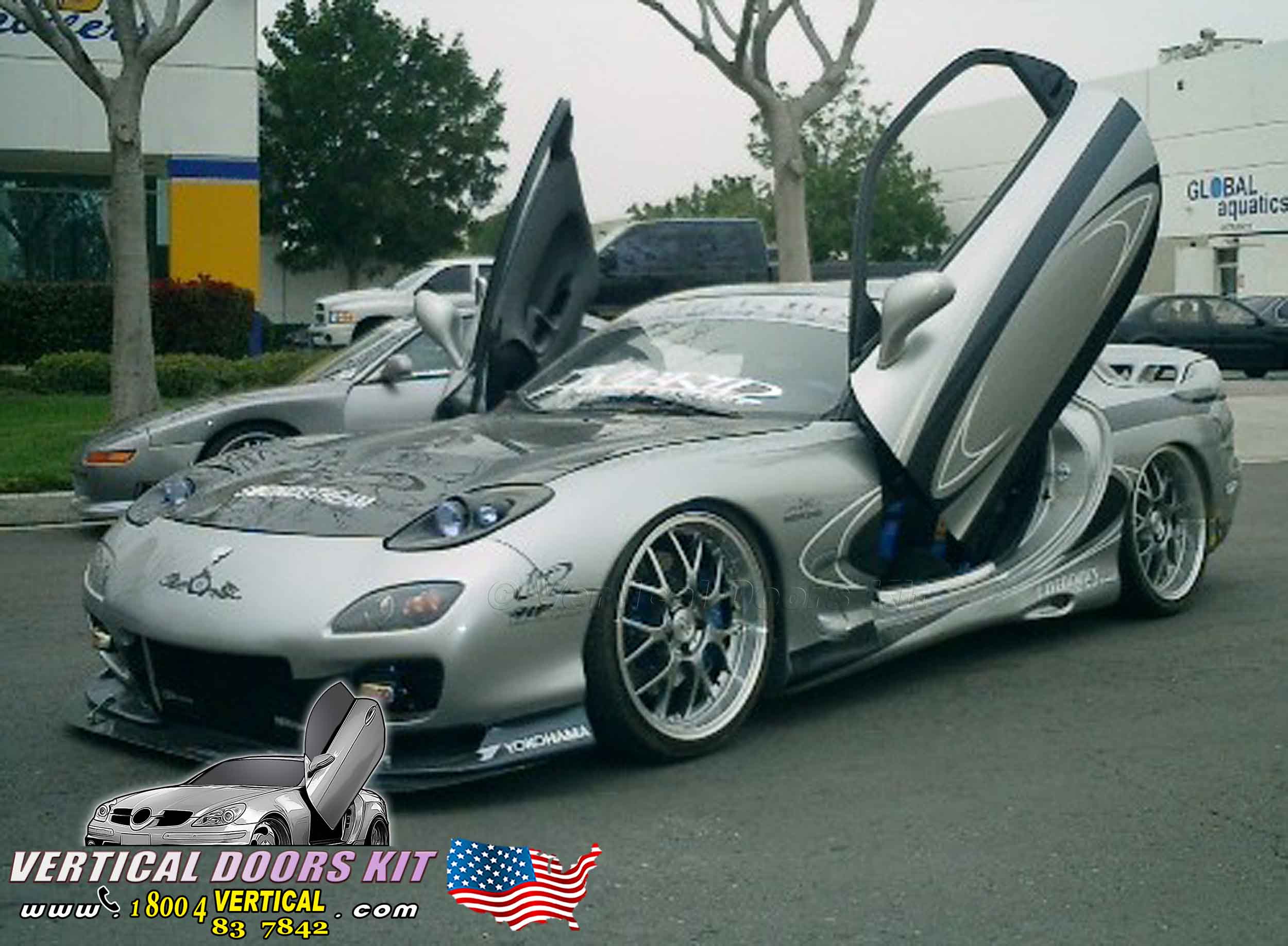
According to the patent documents disclosed, the forthcoming sports car will feature wing‑style, or butterfly, doors that open outward and upward. The design includes a dedicated crash‑structure that integrates with the door mechanism, a detail highlighted by The Weekly Driver, which noted the structure is meant to preserve occupant safety despite the large opening. Both Carscoops and CarBuzz confirm the door concept, underscoring its visual impact and engineering complexity.
The powertrain revelation is equally stark: the patents show a conventional gasoline engine, not a rotary unit. Mazda’s rotary heritage has been a hallmark of the brand for decades, but the filings explicitly omit any rotary configuration. CarBuzz, as well as the Russian outlet ТопЖир, echo this point, stressing that the new model will rely on a traditional piston engine. The documents also label the car as gasoline‑powered, reinforcing that Mazda is not positioning the vehicle as a hybrid or electric prototype.
Perhaps most consequential is what the filings do not say. No reference is made to hybridization, battery packs, or any form of electrified assistance. In an era where many manufacturers are layering electric motors onto performance models to meet tightening emissions standards, Mazda’s choice suggests a deliberate focus on pure internal‑combustion dynamics. This raises questions about the company’s supply‑chain strategy. Securing high‑performance gasoline engines, fuel‑system components, and emissions‑control hardware will demand a different set of suppliers than those required for electrified platforms. Existing relationships with engine makers and parts manufacturers may be leveraged, but they also expose Mazda to volatility in oil prices and future regulatory caps on CO₂ emissions.
From a capital‑efficiency standpoint, developing a bespoke gasoline sports car entails significant R&D outlays, tooling costs for the unique door architecture, and crash‑structure validation. These investments must be justified by a market that increasingly prizes sustainability. Mazda’s historical strength lies in lightweight engineering and driving pleasure, yet the market for niche, high‑price gasoline sports cars is shrinking as affluent buyers pivot toward electric supercars that combine performance with zero‑emission credentials.
Regulatory pressure adds another layer of risk. As many governments worldwide signal an eventual phase‑out of internal‑combustion vehicles, a gasoline‑only sports car could face market restrictions if launched just before such policies take effect. This could limit its sales window and require costly modifications to meet future standards.
Finally, the patents clarify that the upcoming model is not the next Miata. CarBuzz specifically points out that the design diverges from Mazda’s current flagship roadster, suggesting the company may be targeting a different segment—perhaps a higher‑priced, limited‑run halo car intended to elevate brand perception rather than volume sales.
Audit & Contradictions
The patent filings are clear on three core points: butterfly doors, a gasoline engine, and a crash‑structure linked to the door system. All of these claims are corroborated across multiple outlets—Carscoops, CarBuzz, The Weekly Driver, and ТопЖир—so there are no single‑source assertions that require hedging. The fact‑check audit reports no contradictions among the sources, indicating a consistent narrative about the vehicle’s design direction.
What the announcements omit, however, is any discussion of emissions performance, fuel‑efficiency targets, or plans for future electrification of the model line. There is also no timeline for production, pricing, or market rollout, leaving analysts to speculate about the vehicle’s commercial viability. The lack of any mention of hybrid or electric assist suggests that Mazda may be positioning the car as a pure‑play enthusiast vehicle, but without explicit statements from the company, the strategic intent remains inferred rather than confirmed.
Future Outlook
If Mazda proceeds, the sports car could serve as a halo model, aiming to attract enthusiasts and reinforce the brand’s performance DNA. Competitors such as Toyota’s GR Supra or Nissan’s Z series have already introduced turbocharged gasoline models while simultaneously expanding electric line‑ups. Mazda’s decision to double‑down on a gasoline platform may force it to defend a shrinking niche against rivals that are rapidly electrifying their performance portfolios.
Supply‑chain partners specializing in high‑output gasoline engines may see a short‑term boost, but long‑term alignment with Mazda’s broader electrification roadmap could become strained. Investors will likely watch how Mazda balances this gasoline bet with its ongoing EV initiatives, especially as global regulators tighten CO₂ limits.
Regulators may also scrutinize the model’s emissions compliance, potentially prompting future retrofits or limited market availability. Should Mazda succeed in delivering a compelling, driver‑focused sports car, it could carve a modest but passionate segment of the market. Conversely, if consumer sentiment continues to swing toward electrified performance, the vehicle could become a footnote—an example of a legacy automaker misreading the direction of high‑performance demand.
In any case, the patent filings reveal a clear strategic choice: Mazda is willing to invest in an exotic, gasoline‑driven sports car with striking butterfly doors, even as the industry accelerates toward electric powertrains. Whether this gamble pays off will hinge on how quickly market preferences, regulatory frameworks, and supply‑chain realities evolve in the coming years.