Lead Hook
As Ford navigates operational challenges and the evolving right‑to‑repair landscape, the question of who controls vehicle software is becoming a central battleground. A recent report suggesting that independent repair shops may face a subscription fee for diagnostic access has sharpened the debate—even though the specific cost remains unconfirmed.
Deep Dive
Ford has been in the news for two operational moves that underscore its current pressures. First, the automaker has been re‑hiring quality inspectors after an AI‑driven inspection system fell short of expectations. According to Bloomberg and Transport Topics, the AI‑based checks missed defects that human inspectors caught, prompting a return to manual oversight. This highlights the limitations of full automation in quality control.
Second, Ford is actively rebuilding its truck inventory after a series of supplier disruptions. The Detroit Free Press reports that the company is reshuffling production schedules and securing alternative parts sources to meet dealer demand—a sign of persistent supply‑chain fragility.
On the policy front, CEO Jim Farley recently clarified Ford’s position on right‑to‑repair rules, following comments from former President Donald Trump. As Road & Track notes, Farley emphasized a willingness to work with independent shops while protecting intellectual property in vehicle software. This balancing act reflects the broader tension between openness and proprietary control.
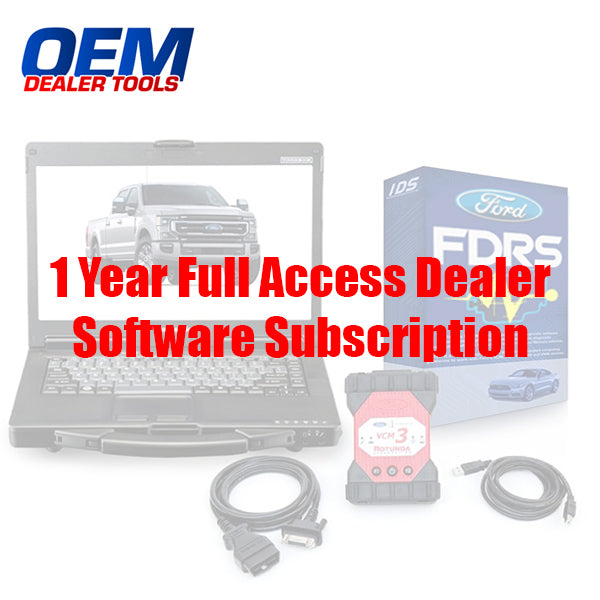
It is within this context that the subscription‑report controversy has emerged. A single‑source article on Carscoops claimed that independent technicians would need to pay a recurring fee to access Ford’s repair‑software platform—a shift from the traditional tool‑based model. However, no other outlet has reported a specific dollar amount, and the claim remains unverified. The story has nonetheless fueled concerns that automakers are moving toward gating diagnostic data behind paid subscriptions.
Key Claims and Corroboration
Several claims in the initial report have been corroborated by multiple sources:
- Ford is re‑hiring quality inspectors after AI underperformed — confirmed by Bloomberg and Transport Topics.
- Ford is rebuilding truck inventory after supplier disruptions — reported by the Detroit Free Press.
- CEO Jim Farley addressed right‑to‑repair rules in response to political commentary — covered by Road & Track.
The claim regarding a specific subscription fee for repair software, however, comes from a single source and lacks independent confirmation. No contradictory evidence has emerged, but readers should treat this figure as unverified.
Future Outlook
The broader trend toward software‑controlled vehicles raises the stakes for the aftermarket. If subscription‑based diagnostic access becomes common, independent shops may face new cost barriers. State legislators in Massachusetts, Michigan, and New York have already proposed bills requiring equitable access to repair information. A high‑priced subscription—even if not yet confirmed—could accelerate such regulatory efforts.
Meanwhile, Ford’s operational moves suggest a company balancing automation with human oversight. The re‑hiring of inspectors indicates that AI remains a supplement, not a replacement, for human expertise. This hybrid model may become the industry norm as automakers refine their quality processes.
Ultimately, the right‑to‑repair discussion is entering a new, software‑driven phase. How manufacturers like Ford handle access and pricing will determine whether independent garages can keep up, and whether regulators step in to ensure a level playing field.