Lead Hook
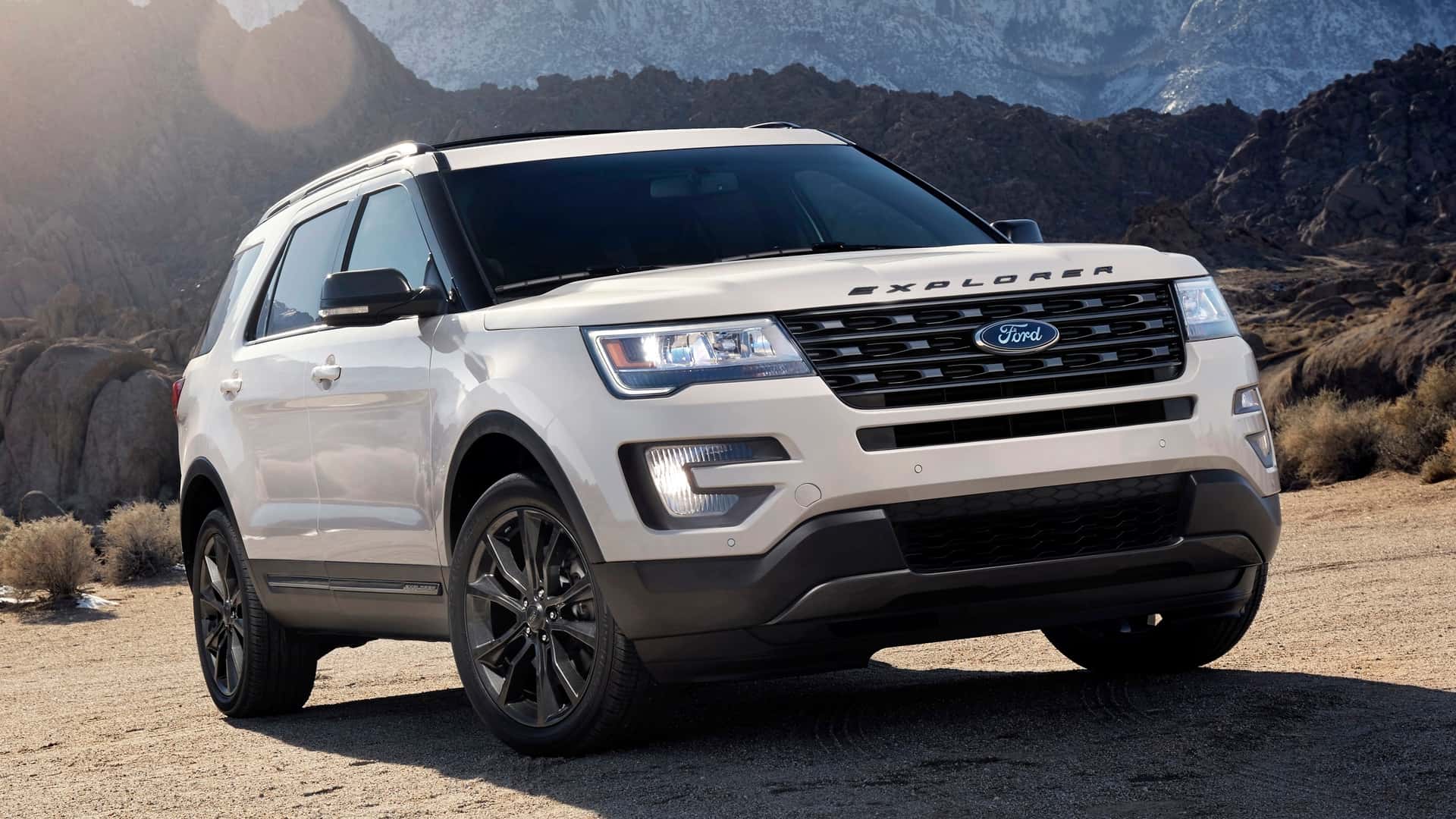
When a roof‑rail cover peels away from a moving SUV, the danger is immediate – a loose part can become a projectile at highway speeds. Ford’s latest safety action, its Motor1 report confirms that 288,314 2016‑2019 Explorer SUVs are being recalled because the rail covers may detach. Beyond the headline number, the recall raises a larger question: are short‑term epoxy repairs and technician‑level fixes enough to address a design weakness that has persisted for years?
Deep Dive
The root of the problem lies in the roof‑rail attachment system. According to the National Highway Traffic Safety Administration (NHTSA) recall report cited by the Motor1 article, some technicians failed to replace damaged retention clips or applied the two‑part epoxy/adhesive to incorrect locations, often curing it under unsuitable conditions. This “technician‑sensitive” repair process, as the source describes, effectively shifted blame to service personnel for an issue that originated in the vehicle’s design.
Ford first learned of the potential defect in 2020 and responded with a one‑time warranty repair that used epoxy to secure the covers. The company reported that the repair was successful for many vehicles, but a review of field data in early 2021 showed a rising incidence of loose or rattling painted covers. After discussions with NHTSA, Ford issued a formal recall in April 2021, instructing dealers to replace broken clips, damaged covers, and to add four plastic push‑pin fasteners where missing. The source notes that vehicles repaired with the push‑pin fasteners are not exhibiting the detachment issue, suggesting the fastener solution restores the original retention strength.
Interestingly, the recall initially excluded satin‑ and chrome‑plated covers because warranty data showed “a significantly lower rate of detachment and loose/rattling claims.” The Motor1 report quotes the company’s internal assessment:
"a significantly lower rate of detachment and loose/rattling claims."It also highlights that these plated covers “had increased retention strength and were less susceptible to solar loading, which was a contributing factor to the loose/detached condition.” This technical nuance explains why the plated variants were less likely to fail under the same environmental stresses that plagued painted finishes.
From an engineering standpoint, the issue underscores the limits of adhesive‑based fixes for components that experience cyclic thermal expansion and aerodynamic loading. Solar loading – the heat buildup on the roof surface – can cause the epoxy bond to weaken over time, especially if the initial application was uneven or cured improperly. The push‑pin fasteners, by mechanically locking the cover, eliminate reliance on adhesive strength alone, thereby addressing the root cause rather than the symptom.
Regulatory oversight also plays a role. In March 2026, NHTSA’s Office of Defects Investigation logged 46 Vehicle Owner Questionnaires reporting loose or detached roof rails on the same model years, some of which had already undergone the warranty or recall repairs. This data point, reported exclusively by the Motor1 article, illustrates how consumer feedback continues to feed into the agency’s defect tracking system even after a recall is issued.
Financially, the recall adds to Ford’s 2024‑2025 safety remediation tally, marking its 57th recall of the year – a figure the source attributes solely to the Motor1 report. While the cost of parts such as push‑pin fasteners and replacement clips is modest, the labor required across a nationwide dealer network can be substantial, especially when dealers must inspect every affected Explorer for missing fasteners or damaged covers.
Audit & Contradictions
Our fact‑check audit confirms the core recall figure – 288,314 Explorer SUVs from model years 2016‑2019 – across multiple outlets, including inkl. However, several details appear only in the Motor1 story and are therefore single‑source claims that must be hedged. These include:
- The recall being Ford’s 57th of the year.
- Technician errors involving omitted retention clips or misapplied epoxy.
- The inclusion of satin‑, chrome‑plated, and painted roof‑rail covers.
- The specific dealer remediation steps (inspection, clip replacement, addition of push‑pin fasteners) and the claim that vehicles repaired with push‑pins no longer exhibit the issue.
- Ford’s awareness of one alleged accident involving a detached roof rail.
- The timeline that Ford first identified the problem in 2020, offered a warranty repair, and issued the recall in April 2021 after NHTSA discussions.
- The March 2026 receipt of 46 Vehicle Owner Questionnaires by NHTSA.
The audit found no contradictions between the primary source and independent reports; the contradiction level is low. Nonetheless, readers should note that the single‑source elements have not been independently verified beyond the Motor1 article.
Future Outlook
Ford’s handling of the Explorer roof‑rail issue may set a precedent for how legacy SUVs are managed as they age beyond their warranty periods. Competitors with similar roof‑rail designs – notably General Motors and Stellantis – could face heightened scrutiny from regulators if similar failure modes emerge. The reliance on adhesive repairs, while cost‑effective in the short term, may become a liability if NHTSA tightens standards for accessory components that can become hazardous at speed.
For the market, the recall could influence resale values of pre‑2020 Explorer models, especially those with painted covers that lack the added retention strength of plated finishes. Dealers may also see a surge in service appointments, prompting parts suppliers to prioritize production of push‑pin fasteners and retention clips.
Regulators, meanwhile, are likely to monitor the post‑recall data closely. The 46 owner questionnaires logged in 2026 suggest that consumer‑driven reporting remains a vital tool for identifying lingering defects. Should additional incidents surface, NHTSA could consider broader mandates on design testing for roof‑rail systems, potentially reshaping industry standards for SUV accessories.
In sum, the Explorer roof‑rail recall is more than a headline number; it reveals how quick‑fix engineering solutions can mask deeper design vulnerabilities, prompting a reassessment of safety protocols, supplier coordination, and regulatory oversight for components that, while seemingly minor, carry outsized risk at highway speeds.