Lead Hook
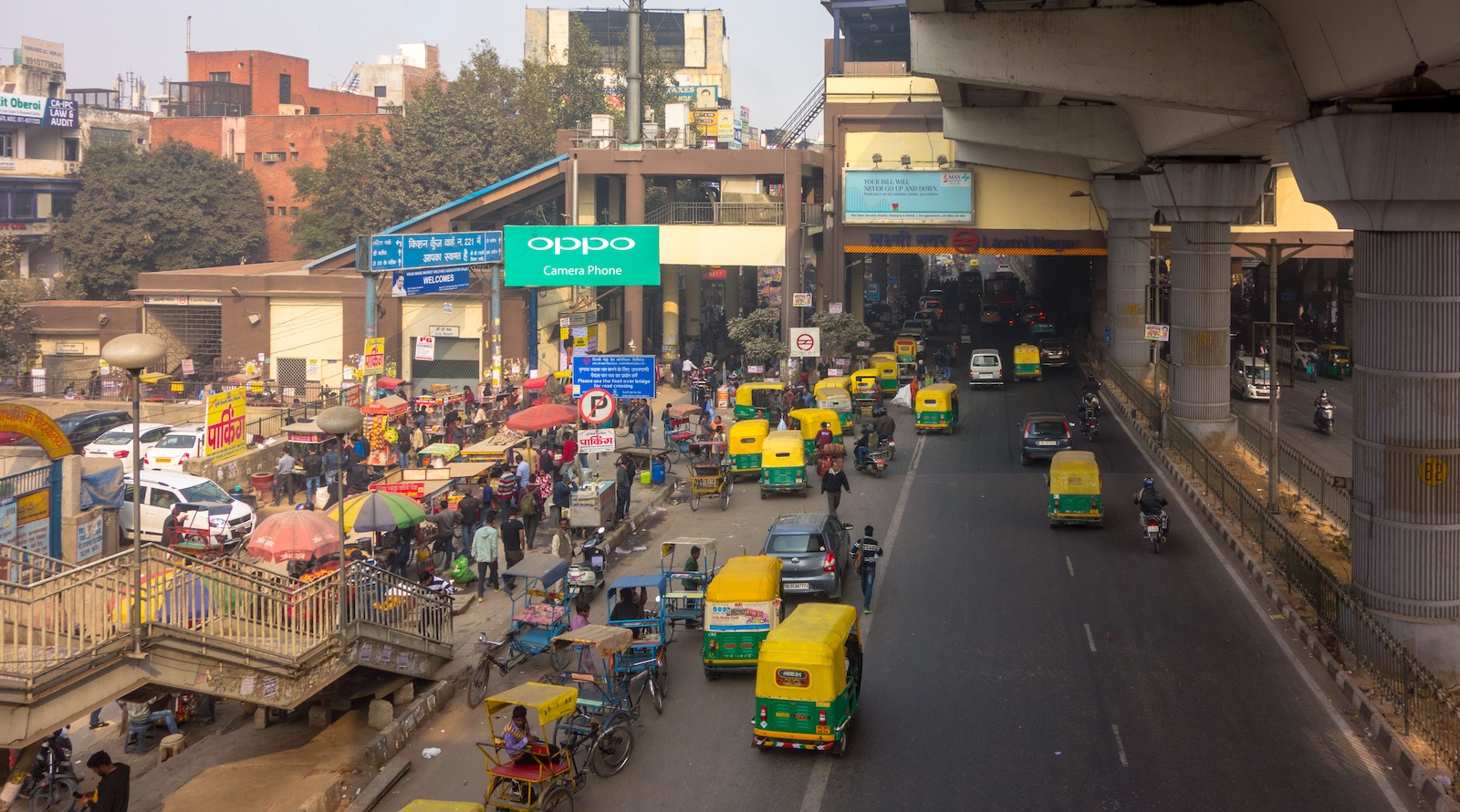
When Delhi’s Air Quality Index spikes above 400, the city’s streets turn into a hazy health hazard. The latest winter smog episode, recorded at a hazardous 391 AQI, has forced officials to look beyond temporary masks and toward a structural solution: electrifying the city’s transport fleet. The new policy promises to replace polluting two‑wheelers with quiet, zero‑emission alternatives, but the headline numbers hide a deeper dilemma—whether Delhi’s budget, power‑grid, and low‑income commuters can sustain the rapid transition.
Deep Dive
According to the CleanTechnica report, the Delhi government has approved an EV policy that offers owners of eligible passenger vehicles purchased before 1 April 2020 a cash incentive of about ₹100,000 (≈US$1,060) to scrap the old car and buy a battery‑electric model. The same source states that the policy earmarks ₹15,000 crore (≈US$1.75 billion) over four years, targets the installation of more than 30,000 public charging points, and sets a 2028 ban on new gasoline‑powered two‑wheelers while mandating electric auto‑rickshaws.
In addition, the policy provides road‑tax and registration‑fee exemptions for battery‑electric cars priced up to ₹3 million and promises purchase incentives for electric scooters and motorcycles during the initial rollout. The Delhi Transport Department frames the plan as a public‑health mission, describing it as one of the world’s most progressive schemes because its “central objective is to
drastically reduce vehicular air pollution.”
On the national level, the PM E‑DRIVE scheme—administered by the Ministry of Heavy Industries—supplements the city’s effort. The CleanTechnica article notes that the scheme has already supported more than 2.8 million electric vehicles and earmarks ₹4,391 crore for over 14,000 electric buses. While the national program focuses on affordability, Delhi’s local rules aim directly at cutting emissions from the city’s dense two‑ and three‑wheel traffic, which the Central Pollution Control Board’s PRANA portal identifies as a major contributor to PM2.5 and PM10 levels.
However, the financial and technical underpinnings of the plan are less certain. A ₹15,000 crore outlay for charging infrastructure translates to roughly ₹500 per planned charging point, a figure that seems modest when accounting for land acquisition, grid upgrades, and the need for fast‑charging capability. Moreover, Delhi’s existing power grid already strains under peak demand; adding tens of thousands of fast chargers could exacerbate load‑shedding risks unless backed by substantial renewable‑energy integration. The policy’s reliance on the central PM E‑DRIVE reimbursements also raises questions about long‑term fiscal sustainability—if the national scheme’s funding dries up, the city could face a shortfall that stalls infrastructure rollout.
Equity concerns loom as well. The ₹100,000 scrappage incentive targets owners of vehicles purchased before 2020, a cohort that includes many low‑income drivers of two‑wheelers. While the incentive reduces the upfront cost, the higher purchase price of electric two‑wheelers may still be out of reach for these commuters. The policy’s tax‑exempt status for cars up to ₹3 million benefits middle‑class buyers more than the city’s poorest. Without a clear financing bridge—such as low‑interest loans or subsidies for low‑cost electric scooters—the intended public‑health gains could be unevenly distributed.
Audit & Contradictions
The CleanTechnica piece is the sole source for the detailed policy figures—scrappage incentive, budget allocation, charging‑point target, vehicle‑ban timeline, tax exemptions, and PM E‑DRIVE statistics. As the fact‑check audit notes, these numbers appear only in that article and lack independent confirmation. Consequently, each should be presented with hedging language, e.g., “according to the CleanTechnica report.”
In contrast, the claim that Delhi’s air quality frequently falls into the “very poor” or “severe” category is corroborated by an independent report from India.com, which recorded AQI values of 391 in Delhi and 415 in Noor‑Da on 28 December 2025, placing both cities in the hazardous range. Reuters, cited in the primary source, also highlighted recurring winter smog episodes as a driver for the EV push. No contradictions were identified between the sources.
Future Outlook
If Delhi succeeds in deploying 30,000 charging stations and achieving its 2028 two‑wheeler ban, the city could set a benchmark for other Indian metros battling similar smog crises. Automakers may accelerate the rollout of low‑cost electric two‑wheelers tailored to the Indian market, while battery‑manufacturing firms could see a surge in demand for compact, high‑cycle‑life packs.
Nevertheless, the policy’s reliance on central subsidies and the modest per‑station budget suggest that scaling challenges remain. Grid operators will need to coordinate with renewable‑energy developers to prevent overloads, and the state may have to devise financing mechanisms that protect low‑income riders. Should these hurdles prove insurmountable, the ambitious targets could stall, leaving Delhi’s smog problem largely unchanged and casting doubt on the replicability of the model elsewhere in India.
Stakeholders—from municipal planners to EV manufacturers—must therefore watch not only the headline incentives but also the less visible infrastructure and financing layers that will determine whether Delhi’s air‑quality emergency can truly be resolved through electric mobility.