Lead Hook
When Elon Musk posted, "Am putting together a product gallery at my ranch in Texas," the tweet was more than a nostalgic showcase of rockets and electric cars. In an era where Musk’s companies face heightened regulatory scrutiny, shareholder pressure, and a historic $75 billion SpaceX IPO, the decision to turn private land into a curated museum could influence how investors, regulators, and the public evaluate his sprawling empire. The gallery’s location, ownership structure, and timing intersect with questions about capital efficiency, transparency, and land-use policy in Texas.
Deep Dive
According to Teslarati, the ranch sits in Bastrop County, east of Austin near the Colorado River, and is held through an LLC called Horse Ranch LLC. The LLC is managed by Jared Birchall, Musk’s longtime personal friend and family wealth manager, who also serves as CEO of Neuralink. Independent outlets such as BASENOR and Glitchwire reported the same location and LLC details, confirming that the property is not a corporate asset but a personal holding.
The land footprint is substantial. Teslarati notes that entities tied to Musk have accumulated roughly 2,000 acres in Bastrop County as of mid‑2026, up from 700 acres earlier in the year, and possibly as much as 6,000 acres across Bastrop and Travis counties. While these acreage figures appear only in the Teslarati piece, they suggest a strategic aggregation of land that could serve multiple purposes: a private exhibition space, a testing ground for future technologies, and a buffer against future zoning challenges.
From a financial perspective, the gallery could function as a brand‑building asset that indirectly supports Musk’s publicly traded companies. By curating artifacts ranging from the Blastar game to the Cybercab, the exhibit reinforces a narrative of relentless innovation—a narrative that can bolster market sentiment and justify premium valuations. However, because the gallery is tied to a personal LLC, it falls outside the standard disclosure requirements of Tesla, SpaceX, or any other Musk‑controlled entity, raising potential concerns about off‑balance‑sheet assets influencing investor perception.
Regulatory implications also loom. Large land acquisitions in Texas trigger scrutiny from county planners, environmental agencies, and the Texas Commission on Environmental Quality. The ranch’s proximity to the Colorado River could attract attention from water‑rights regulators, especially if future projects involve water‑intensive testing or construction. While no public‑access plan has been announced, the lack of a completion date—also noted by Teslarati—means that local authorities have limited visibility into the eventual scale and impact of the gallery.
Beyond policy, the gallery’s timeline of Musk’s inventions, as listed by Teslarati, spans from his teenage Blastar game to the newly announced SpaceXAI. This chronology, while compelling, is a single‑source claim and has not been independently verified. If accurate, it underscores the breadth of Musk’s portfolio and hints at potential cross‑pollination of technologies—e.g., leveraging SpaceX’s rapid iteration philosophy to accelerate future consumer products showcased in the gallery.
Audit & Contradictions
The core announcement—Musk building a product gallery on his Texas ranch—is corroborated by multiple outlets, confirming the concept and the ranch’s ownership via Horse Ranch LLC. However, several key details are only present in the Teslarati report and therefore require hedging:
- Exact acreage: "approximately 2,000 acres in Bastrop County as of mid‑2026, up from 700 acres earlier, with possibly up to 6,000 acres across Bastrop and Travis counties" is a single‑source figure.
- Public‑access status: Teslarati states that no completion date has been announced and Musk has not confirmed whether the gallery will be open to the public.
- Comprehensive invention timeline: The detailed list from Blastar through SpaceXAI appears solely in the Teslarati article.
Fact‑check auditors note a low contradiction level; no conflicting reports have emerged. Nonetheless, the absence of corroboration for the above points means readers should treat them as Musk‑provided or Teslarati‑derived information rather than independently verified facts.
"Am putting together a product gallery at my ranch in Texas." – Elon Musk
Future Outlook
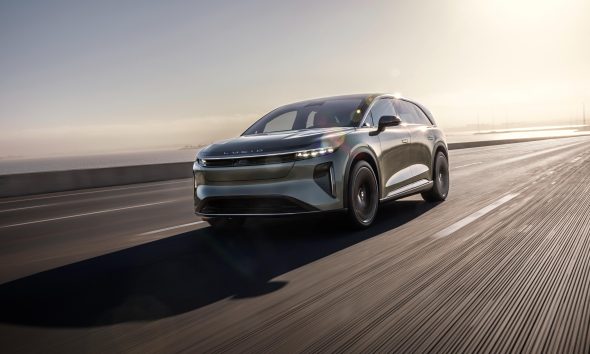
If the gallery materializes, it could set a precedent for high‑profile tech founders using personal assets to shape corporate narratives. Competitors such as Lucid and Rivian may feel pressure to amplify their own heritage storytelling, especially as California’s new EV incentive program favors newer entrants over legacy brands.
Regulators could respond by tightening disclosure rules for personal holdings that materially affect public companies’ brand value. The Texas Land Commission might also scrutinize future expansions, particularly if the site evolves into a testing hub for autonomous vehicles or aerospace prototypes, which would invoke additional safety and environmental permits.
For investors, the gallery represents a soft‑power asset that could influence market sentiment without directly impacting earnings. Analysts may begin to factor such brand‑building ventures into valuation models, especially as Musk’s companies continue to dominate headlines.
In the broader context, the project underscores a growing trend: tech moguls leveraging personal wealth to curate their own legacies, blurring the line between private hobby and public brand strategy. Whether Musk’s Texas gallery becomes a tourist destination, a private R&D showcase, or a symbolic monument to a career that spans three decades will shape how regulators, investors, and the public interpret the power dynamics behind his empire.