Lead Hook
When Lamborghini announced that it will not develop a manual transmission – simulated or otherwise – for any upcoming production model, the headline reads like a simple preference. Beneath the surface, however, the decision reveals a deeper engineering crossroads: the traditional stick‑shift is hitting a performance ceiling as the brand pushes toward hybridisation and ever‑higher power outputs. For a marque whose identity is built on delivering raw, driver‑focused thrills, the absence of a manual gearbox may reshape how enthusiasts, suppliers, and regulators view the future of high‑performance cars.
Deep Dive
According to Motor1, Lamborghini has "no plans to develop a manual gearbox, simulated or otherwise, for any future production models." The statement came from an interview with the company’s Chief Marketing and Sales Officer, Federico Foschini, who acknowledged a potential "opportunity" for a manual but dismissed it as a non‑trend that would not shape the brand’s road‑car strategy. This stance aligns with multiple independent reports, including those from Robb Report and AOL, which also note that Lamborghini will not be releasing a manual anytime soon.
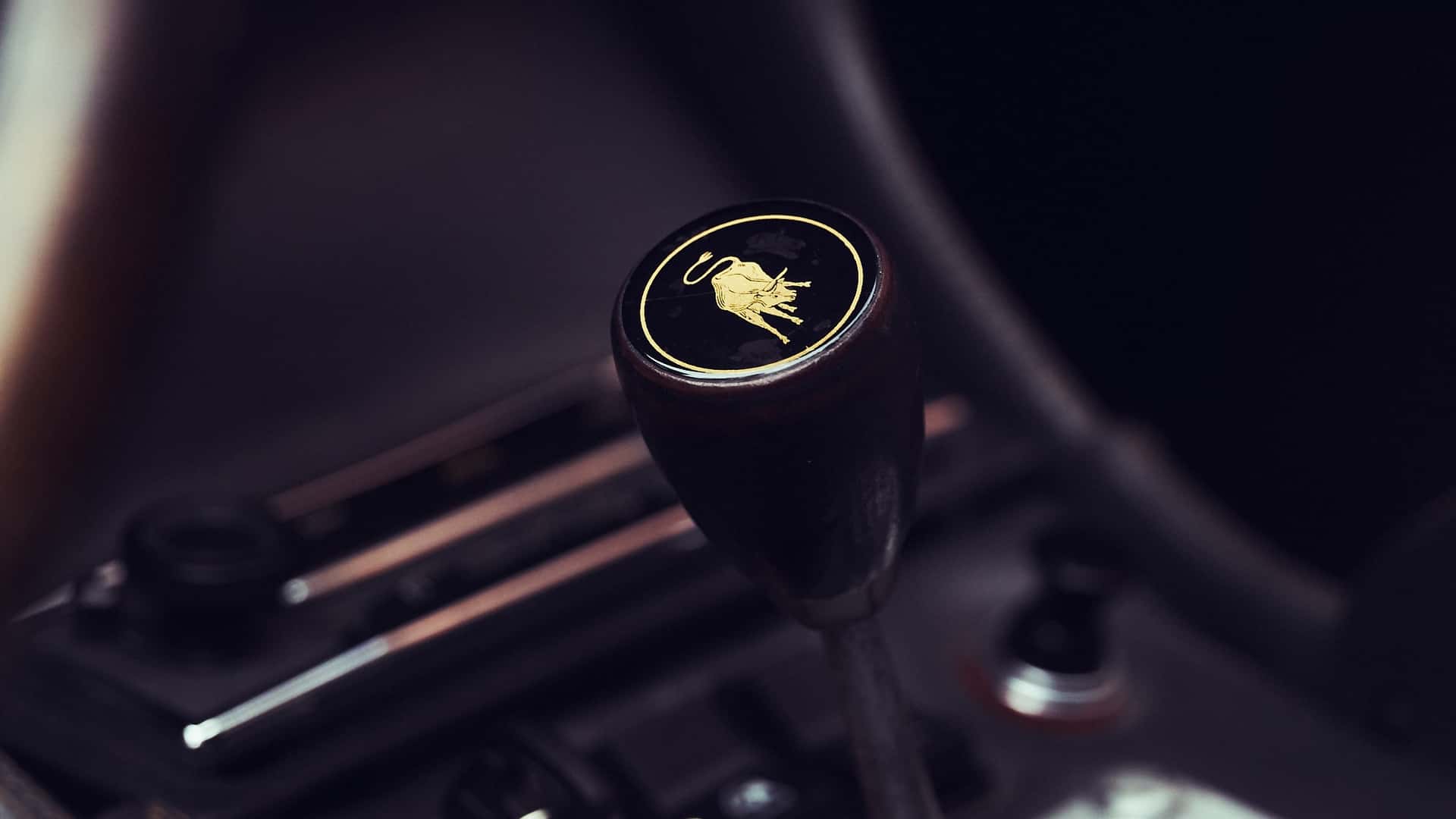
The last Lamborghini to feature a true manual transmission was the Gallardo LP 560‑2 50th Anniversario, introduced for the 2013 model year. As Motor1 points out, that marks "more than 13 years without a manual Lamborghini in the lineup." The Gallardo’s manual was a limited‑run special, and since then the marque has migrated entirely to paddle‑shifted dual‑clutch units that dovetail with its increasing hybridisation. The company’s design philosophy, as described in the same Motor1 piece, is to make road cars follow the path of their racing machines – a path that currently features "greater hybridisation and paddle shifters."
The engineering implications are significant. Modern Lamborghini hypercars, such as the Aventador and the newer hybrid‑ready platforms, generate upwards of 800 hp and are paired with sophisticated electrified powertrains. A conventional manual gearbox would need to handle not only massive torque but also the instantaneous torque delivery of electric motors. The Motor1 article notes that "finding a true manual gearbox to handle the tremendous power being created would create quite an engineering challenge." While Lamborghini has not detailed the technical hurdles, the broader industry trend supports this view: even Porsche, once a manual stronghold, has drastically reduced the number of models offering a driver‑selected gearbox.
Ferrari’s recent experiment with a simulated manual – the 12Cilindri Manuale – offers a contrast. The vehicle retains its 8‑speed dual‑clutch automatic but adds a "Manuale By‑Wire" system that mimics a six‑speed manual with a clutch pedal and gated shifter. This approach, detailed in an Autocar India report, allows drivers to "clutch‑dump like a manual, heel‑and‑toe like a manual, and even stall like a manual" while still having the option to revert to fully automatic operation. The Ferrari solution underscores a growing preference for electronic mediation over mechanical linkage when dealing with extreme performance figures.
From a supply‑chain perspective, continuing to invest in a bespoke high‑torque manual gearbox would require dedicated tooling, specialized machining, and a low‑volume production run – all of which conflict with Lamborghini’s push toward platform consolidation and hybrid powertrain integration. The cost per unit for a manual that can survive 800+ hp would be substantially higher than a dual‑clutch unit that can be shared across multiple models, affecting both pricing strategy and profit margins.
Moreover, regulatory pressures are tightening around emissions and efficiency. Hybrid systems, which Lamborghini is increasingly adopting, are most efficiently paired with automatic transmissions that can seamlessly blend electric and combustion power. A manual gearbox, by its nature, introduces driver‑dependent inefficiencies that could hamper the brand’s ability to meet future CO₂ targets, especially in markets like the EU where stricter fleet‑average standards are looming.
Audit & Contradictions
The Motor1 announcement is clear on the core claim: Lamborghini will not develop any manual gearbox for future models. This claim is corroborated by Robb Report, AOL, and other outlets, giving it a solid multi‑source foundation. The description of Ferrari’s 12Cilindri Manuale as a simulated manual gearbox is likewise verified by the Autocar India article, which details the "Manuale By‑Wire" system.
Several statements in the Motor1 piece remain single‑source and therefore are hedged:
- Foschini’s view that there is an "opportunity" for a manual but that it is not a market trend – this perspective appears only in the Motor1 interview.
- The identification of the Gallardo LP 560‑2 50th Anniversario as the last manual‑equipped Lamborghini – no other source repeats this detail.
- The assertion that Lamborghini’s road cars are designed to follow the path of their race cars, leading to greater hybridisation and paddle‑shifter use – also unique to Motor1.
- The speculation that a high‑price, limited‑run special with a manual could happen but is unlikely – again, only mentioned by Motor1.
The fact‑check audit notes a "Low" contradiction level: there are no direct conflicts between sources, but the single‑source claims lack external verification.
Future Outlook
For competitors, Lamborghini’s stance may accelerate a broader industry shift away from true manuals in the ultra‑high‑performance segment. Brands that have traditionally championed the stick shift – such as Porsche and Aston Martin – are already seeing dwindling demand, and the engineering complexities highlighted here could push them further toward advanced automated transmissions or hybrid‑optimised gearsets.
Regulators may view Lamborghini’s move as an implicit acknowledgment that meeting future emissions targets will be easier without a manual gearbox on hybrid platforms. This could influence policy discussions around drivetrain homogenisation, where manufacturers are encouraged to adopt transmission technologies that maximise fuel‑economy and emissions performance.
From a supply‑chain standpoint, suppliers that specialise in high‑torque manual gearboxes may need to pivot toward dual‑clutch or electric‑motor‑centric solutions to stay relevant to supercar makers. Conversely, companies developing “by‑wire” simulated manuals, like the firm behind Ferrari’s system, could see increased interest as a compromise that offers driver engagement without the mechanical drawbacks.
Ultimately, Lamborghini’s decision underscores a pivotal moment: the era where the manual gearbox was a badge of driver‑centred purity is giving way to a reality where engineering feasibility, regulatory compliance, and cost efficiency dictate the transmission architecture of the next generation of supercars.