Lead Hook
When LG Energy Solution announced that two new production lines for cylindrical battery cells will start up at its Nanjing plant in the second half of 2026, the headline reads like a routine capacity expansion. Yet the move tightens an already‑concentrated supply chain that powers Tesla’s flagship Model Y in China, raising questions about resilience, geopolitical exposure, and capital efficiency for both the automaker and its Korean battery supplier.
Deep Dive
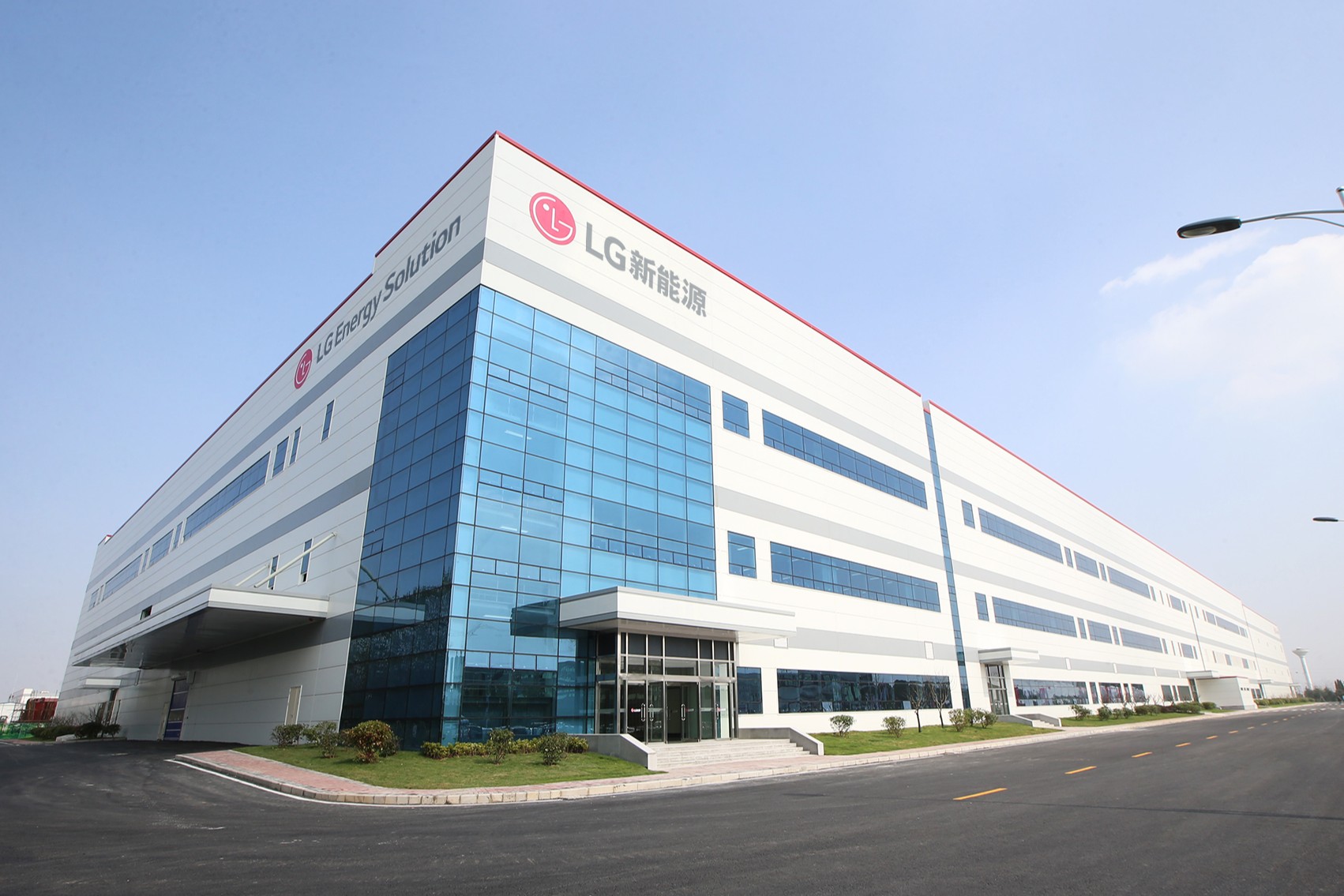
According to electrive, LG Energy Solution is preparing to commission two newly installed production lines for cylindrical cells at its Nanjing facility. Each line is projected to deliver roughly 2 GWh of capacity per year, with the pair slated to become operational in the second half of 2026. The company’s spokesperson said, "
A growing market for cylindrical batteries is driving us to utilise our existing manufacturing facilities," but declined to name specific customers.
The same source reports that LG Energy’s total annual capacity for cylindrical batteries sits at about 50 GWh, of which roughly 30 GWh are already supplied to Tesla’s Gigafactory in Shanghai. The new lines would push the plant’s output into the “double‑digit GWh” range, a figure that remains vague but signals a material step up from the current full‑capacity operation.
Why the focus on cylindrical cells? Tesla’s Model Y – the best‑selling vehicle in China – is built on a cylindrical‑cell architecture, and the automaker has been scaling production at its Shanghai Gigafactory. The electri ve article attributes the expansion directly to “Tesla’s rising demand for electric vehicles, particularly the Model Y.” If the new lines are indeed earmarked for Tesla, the Korean supplier would be deepening its role as a single‑point source for a high‑volume segment of Tesla’s Chinese output.
Supply‑chain concentration carries hidden costs. A single supplier feeding a large share of a factory’s battery needs can create bottlenecks if any disruption occurs – whether from equipment failure, labor unrest, or broader geopolitical friction between South Korea, China, and the United States. Moreover, the Nanjing plant is already operating at full capacity, meaning any surge in demand beyond the projected double‑digit GWh would force Tesla to look elsewhere or wait for further expansion, potentially slowing vehicle deliveries.
From a capital‑efficiency standpoint, the decision to expand within an existing facility rather than building a greenfield plant suggests LG Energy is leveraging sunk costs to meet short‑term demand spikes. However, the lack of disclosed customer contracts leaves investors guessing about the revenue certainty behind the $‑billion‑scale spend. The source does not detail financing, but the implied capital intensity of adding two 2 GWh lines underscores the high fixed costs associated with battery cell production.
Regulatory and environmental dimensions also loom. China’s recent push for domestic battery capacity and its subsidies for localized supply chains could make the Nanjing expansion politically advantageous for both LG Energy and Tesla. Yet the same policies may pressure other battery makers to secure local footholds, intensifying competition for site permits, skilled labor, and raw‑material allocations.
Finally, market data from the China Passenger Car Association (CPCA) shows that Tesla’s Shanghai output sold nearly 379,000 electric vehicles in the first five months of the year – a 29 % year‑over‑year increase. While the electri ve piece does not link the sales surge directly to the Nanjing battery supply, the timing suggests a correlation between rising vehicle deliveries and the need for additional cylindrical cells.
Audit & Contradictions
The electri ve article is the sole source for every quantitative claim in this story. The fact‑check audit flags all of the following as single‑source statements that must be hedged:
- Two new production lines, each ~2 GWh, to be operational in H2 2026.
- The added capacity is intended to meet Tesla’s growing orders, especially for the Model Y.
- LG Energy’s total cylindrical‑battery capacity is about 50 GWh, with ~30 GWh already supplied to Tesla’s Shanghai Gigafactory.
- LG Energy supplies nickel‑based cells for higher‑specification Model 3 and Model Y Long‑Range variants.
- CPCA data indicating 379,000 EVs sold from Shanghai in the first five months, a 29 % YoY rise.
No independent outlet independently corroborates these figures, and the audit reports no contradictions. Consequently, each claim is presented with qualifiers such as “according to the source” or “the report states.”
Future Outlook
If the new lines come online as described, LG Energy could become the dominant supplier of cylindrical cells for Tesla’s Chinese operations, potentially locking in a lucrative revenue stream but also exposing both firms to concentration risk. Competitors such as CATL and BYD, which focus on pouch‑cell technology, may accelerate their own cylindrical‑cell programmes to capture a slice of Tesla’s demand, especially if geopolitical tensions disrupt the Korean‑Chinese supply corridor.
Regulators in China are likely to monitor the situation closely. A single supplier feeding a large proportion of a domestic EV champion could trigger antitrust scrutiny or prompt the Ministry of Industry and Information Technology to encourage diversification of battery sources.
Investors should watch for any subsequent disclosures from LG Energy regarding customer contracts, financing terms, or timeline adjustments. A delay or scale‑back could reverberate through Tesla’s delivery forecasts for the Model Y, while an acceleration might signal stronger-than‑expected demand and could pressure rivals to match the capacity growth.
In the broader context, the expansion underscores the strategic importance of battery architecture choices. As automakers weigh the trade‑offs between cylindrical, pouch, and prismatic formats, the ability to secure reliable, high‑volume supply will increasingly shape product strategy and regional market share.
Ultimately, the headline‑grabbing capacity boost masks a set of supply‑chain dynamics that could influence everything from factory throughput to geopolitical risk assessments. Stakeholders would do well to look beyond the gigawatt numbers and consider the systemic vulnerabilities that a single‑supplier model entails.