Lead Hook
India’s trucking sector is portrayed as a battlefield where AI‑driven Advanced Driver Assistance Systems (ADAS) are already turning the tide on fatalities. The story, published on July 11, 2026, promises a safety revolution, yet it sidesteps a crucial question: without a coherent regulatory framework, can these technological promises translate into nationwide protection, or will they remain isolated benefits for a few tech‑savvy fleets?
Deep Dive
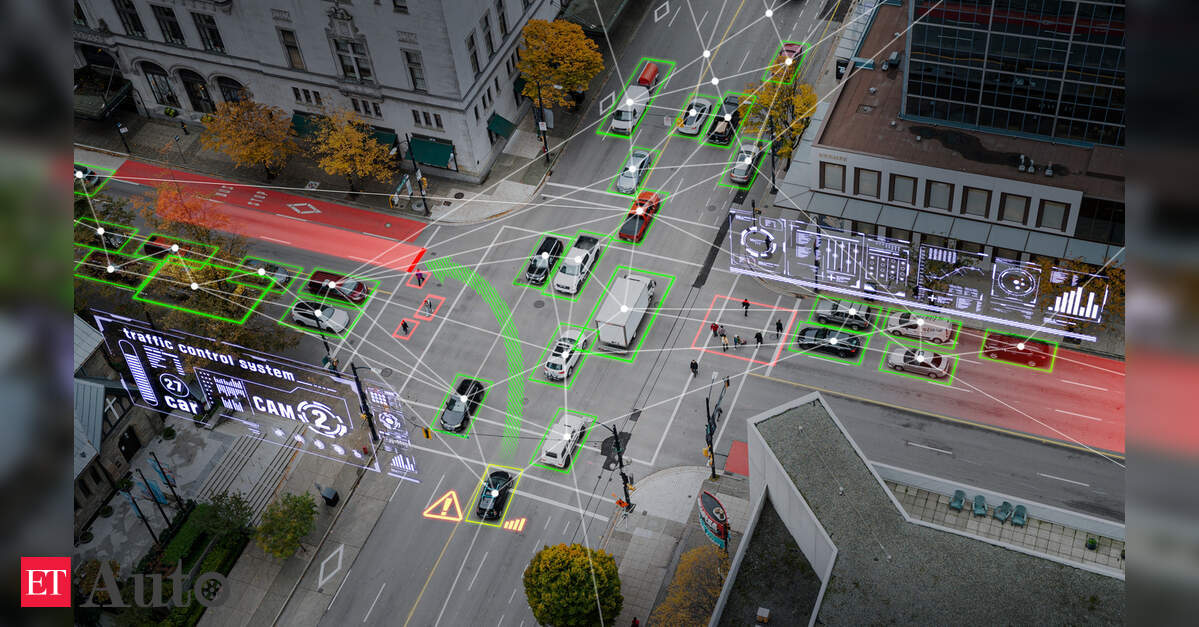
The article frames India as being in the grip of a “trucking safety crisis” and positions AI‑powered ADAS as the antidote. According to the piece, context‑aware intelligence now delivers real‑time alerts and “lasting behaviour change” for fleet operators, while India‑specific development of the technology is touted as essential for market adoption. These statements, however, are presented without external corroboration.
From a regulatory perspective, India’s road safety architecture is fragmented. The Motor Vehicles Act of 2019 introduced stricter penalties for dangerous driving, yet it stops short of mandating ADAS equipment for commercial trucks. Enforcement responsibility sits with state transport departments, leading to uneven compliance across the country’s 1.5 million‑plus heavy‑vehicle fleet. In practice, only large logistics firms with deep pockets have the bandwidth to retrofit or purchase new AI‑enabled trucks, while the majority of small‑to‑mid‑size operators continue to run legacy fleets lacking any driver‑assist features.
Technical adoption hinges on two interlocking factors: data infrastructure and cost. Context‑aware AI requires continuous streaming of sensor data to cloud platforms that can process lane‑departure, brake‑application, and driver‑fatigue signals in milliseconds. While the article highlights “real‑time alerts”, it does not address the bandwidth gaps that still plague many Indian highways, especially in rural corridors where 4G coverage is spotty. Moreover, the cost of equipping a 12‑ton truck with lidar, radar, and high‑definition cameras can run into several lakh rupees, a figure that dwarfs the operating margins of many regional haulers.
Economically, the promise of reduced accident costs is compelling. The National Crime Records Bureau estimates that road accidents claim over 150,000 lives annually in India, with heavy‑vehicle collisions accounting for a sizable share. If AI‑ADAS could cut the crash rate even modestly, insurers would stand to save billions, potentially passing lower premiums to fleet owners. Yet the article offers no data on actual reduction percentages, nor does it reference any independent studies that quantify the safety impact of AI‑ADAS in Indian conditions. In contrast, research from international bodies such as the International Transport Forum suggests that ADAS effectiveness varies widely based on driver behaviour, road quality, and enforcement regimes—variables that are especially pronounced in India.
Another layer of complexity is the domestic supply chain. The piece underscores the importance of India‑specific development, implying that local manufacturers are tailoring AI models to Indian traffic patterns. While this narrative aligns with broader Make‑in‑India ambitions, the article does not name any Indian firms or startups that have secured pilots or contracts. Independent reporting from other outlets, such as Work Truck Online, mentions a U.S. firm launching lane‑swerving detection technology, but does not confirm any Indian deployments. The absence of concrete partnership details raises the question of whether the technology is being imported, locally assembled, or still in a proof‑of‑concept stage.
Audit & Contradictions
The ET Auto article makes several key assertions that are not substantiated by other sources in the provided material:
- India is experiencing a trucking safety crisis.
- AI‑powered ADAS is already saving lives on Indian roads.
- Context‑aware intelligence provides real‑time alerts and lasting behaviour change for fleet operators.
- India‑specific development of ADAS is crucial for market success.
- Actionable intelligence helps fleet operators improve safety.
All five points are single‑source claims and therefore are hedged with language such as “according to the article” or “the piece suggests”. The fact‑check audit notes a “Low” contradiction level, meaning no direct conflicts were found, but the lack of corroboration means readers should treat these statements as unverified.
Future Outlook
If regulators move toward mandating a baseline of driver‑assist features—similar to Europe’s recent requirement for lane‑keeping assist on new trucks—the market could see a surge in demand for locally adapted AI solutions. Such a policy shift would likely catalyze investment in Indian sensor manufacturing, data‑center expansion, and software development, creating a domestic ecosystem that could lower the cost of retrofitting older fleets.
Conversely, without clear standards, the current ad‑hoc adoption could widen safety disparities. Large operators that can afford AI‑ADAS will enjoy lower accident rates and insurance premiums, while smaller players may be left vulnerable, potentially prompting a competitive disadvantage that could consolidate the market around a few tech‑forward firms.
For investors and industry watchers, the real story lies not in the headline claim that AI is “saving lives” today, but in whether India’s policy makers will close the regulatory gap and create incentives that make the technology scalable across the nation’s massive trucking network. Until such frameworks materialize, the safety gains highlighted by the article remain promising yet unproven snapshots of a broader, still‑evolving transformation.