Lead Hook
When Xiaomi announced the SkyNomad N90, the headline was simple: a three‑row, family‑oriented SUV that can travel long distances on a gasoline‑powered range extender. The deeper story, however, is a gamble that pits a tech giant’s hybrid strategy against a Chinese policy environment that is increasingly rewarding pure electric powertrains. If Xiaomi’s gamble falters, it could expose supply‑chain fragilities and regulatory headwinds that other automakers have already begun to navigate.
Deep Dive
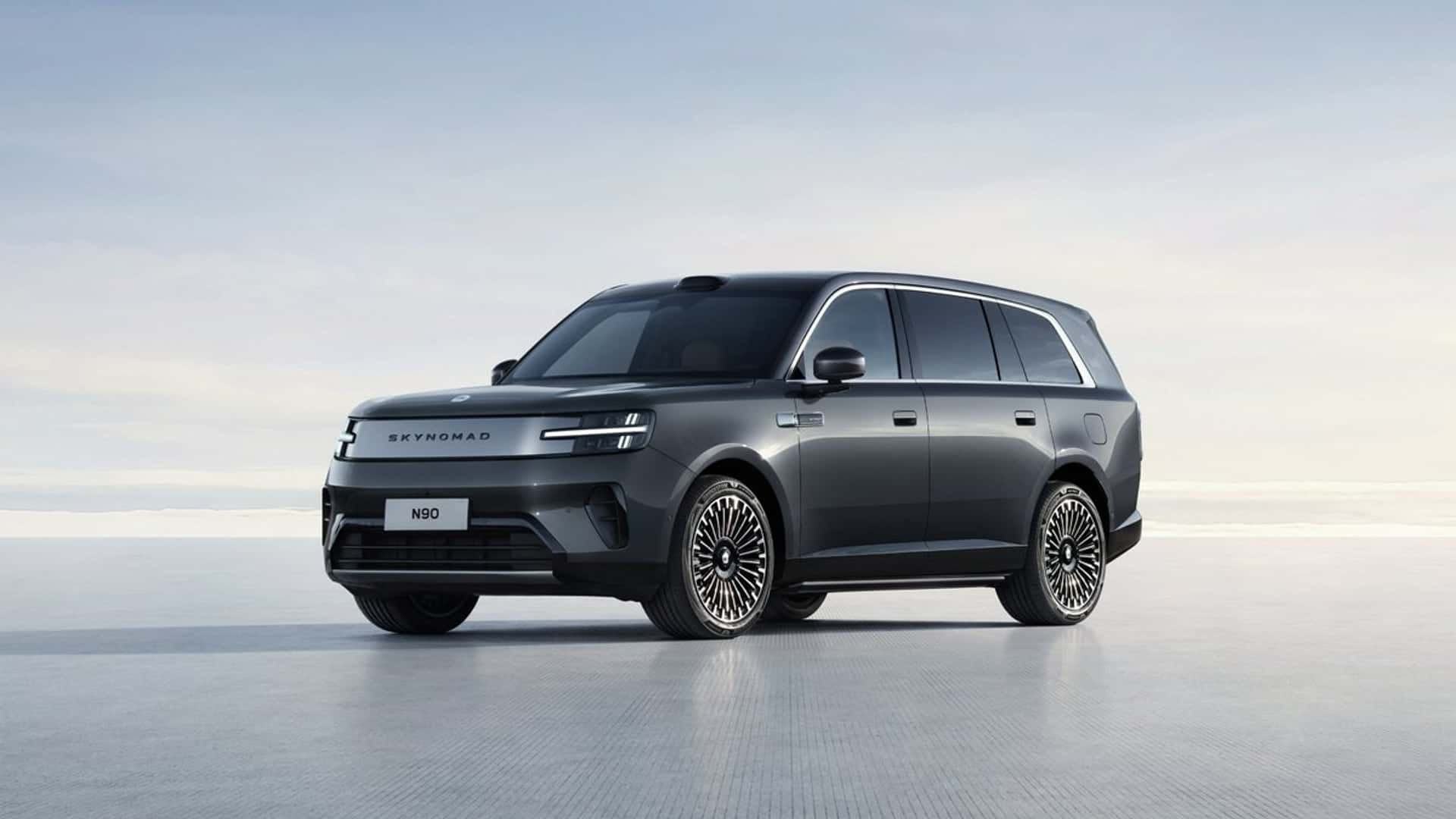
According to InsideEVs, Xiaomi has launched a new sub‑brand called SkyNomad, with the N90 as its inaugural model. The vehicle is described as a three‑row crossover measuring roughly 208 inches in length—about ten inches longer than the Kia EV9—positioning it squarely in the premium family‑SUV segment that has exploded in China.
The powertrain, as disclosed by China’s Ministry of Industry and Information Technology (MIIT) and reported by InsideEVs, is an extended‑range electric vehicle (EREV). It pairs a 1.5‑liter turbocharged gasoline engine with a dual‑motor electric setup and a “large” battery pack. The exact output of the electric motors, the gasoline engine, and the battery capacity have not been confirmed, leaving analysts to wonder whether Xiaomi is repurposing existing internal‑combustion components or developing a bespoke hybrid system.
From a design standpoint, the N90’s interior is being marketed as a flexible living space. The source notes that Xiaomi has released only teaser animations and stills, opting instead for “apartment‑style floor plans” that highlight interior configurability. Notable features include front seats that can rotate a full 180 degrees and optional table‑style configurations, suggesting a use case that blurs the line between vehicle and mobile living room.
The strategic choice of an EREV architecture is significant in the context of China’s evolving subsidy regime. Over the past few years, the Chinese government has progressively reduced incentives for plug‑in hybrids while bolstering subsidies for fully electric models. By choosing a gasoline‑powered range extender, Xiaomi may be positioning the N90 to appeal to consumers wary of range anxiety, yet it also risks losing out on the financial incentives that pure EVs receive. This tension is not addressed in the announcement, but it is a critical factor that could affect the vehicle’s price competitiveness.
Supply‑chain considerations add another layer of complexity. Xiaomi’s core expertise lies in consumer electronics, not automotive powertrains. Integrating a turbocharged 1.5 L engine into a vehicle that also houses a sizable battery and dual electric motors may require partnerships with established engine manufacturers. The lack of disclosed specifications makes it difficult to assess whether Xiaomi is leveraging existing engine platforms—potentially from Chinese OEMs—or developing a new unit, each path carrying distinct cost and timeline implications.
Regulatory compliance is also a looming question. China’s “dual‑credit” system rewards manufacturers for producing both new energy vehicles (NEVs) and fuel‑powered cars, but the weighting increasingly favors pure electric output. An EREV like the N90 may generate fewer NEV credits than a comparable BEV, potentially limiting Xiaomi’s ability to meet mandated quotas without purchasing credits from other manufacturers.
Finally, market competition is fierce. The source points out that the N90 will enter a crowded segment populated by models such as the Nio ES8, Aito M9, and Li Auto L9. All three are pure electric or plug‑in hybrids that have already secured consumer trust and dealer networks. Xiaomi’s entry, therefore, hinges not only on the novelty of its interior flexibility but also on its ability to deliver a compelling total‑cost‑of‑ownership proposition in a segment where price sensitivity is high.
"adapt freely, the way you want to."
— Lei Jun, CEO of Xiaomi, as quoted by InsideEVs.
Audit & Contradictions
The announcement leaves several key details undisclosed. Most notably, the exact power output of the electric motors, the gasoline engine’s horsepower, and the battery’s kilowatt‑hour capacity are absent. According to the fact‑check audit, these specifications have not been confirmed by any source beyond the initial InsideEVs report, making them single‑source claims that should be treated with caution.
There are no reported contradictions between sources; the fact‑check summary indicates a “Low” contradiction level, meaning the information presented is internally consistent within the available material.
Because all technical data come from a single outlet, readers should be aware that Xiaomi has not independently verified these figures, and the company’s own communications remain silent on performance metrics.
Future Outlook
If Xiaomi can navigate the regulatory and supply‑chain challenges, the SkyNomad N90 could carve out a niche among families seeking a versatile, long‑range vehicle without the anxiety of pure‑EV charging infrastructure. However, the reliance on a gasoline range extender may limit the model’s eligibility for government subsidies, potentially inflating its retail price relative to pure‑EV competitors.
Competitors are likely to respond by emphasizing their pure‑electric credentials and existing NEV credit balances. For Xiaomi, success may depend on leveraging its ecosystem—smart home integration, IoT services, and a massive user base—to create a differentiated ownership experience that transcends traditional automotive value propositions.
Regulators, meanwhile, may tighten definitions of what qualifies as a “new energy vehicle,” further narrowing the subsidy gap between hybrids and BEVs. Should such policy shifts occur, Xiaomi’s hybrid strategy could become a liability, prompting a rapid pivot to a fully electric SkyNomad platform in future iterations.
In the short term, the market will watch closely for concrete specifications, pricing, and launch timelines. Until those details emerge, the SkyNomad N90 remains an intriguing but uncertain entrant in China’s hyper‑competitive three‑row SUV arena.