Lead Hook
The second‑quarter surge in U.S. electric‑vehicle sales isn’t just a statistical footnote; it marks the first clear sign that the market may be stabilizing after the abrupt removal of the federal EV tax credit. A 14.2% quarter‑over‑quarter rise to 247,226 units suggests manufacturers and consumers are adapting to a new reality where price, state incentives, and gasoline costs drive demand, not a blanket federal subsidy.
Deep Dive
According to InsideEVs, U.S. automakers collectively sold 247,226 EVs between April and June, a 14.2% increase from the previous quarter. The same figure was corroborated by Business Insider, which also highlighted the same quarter‑over‑quarter growth. While sales remain 20.5% lower than the same period a year earlier—when the credit was still active—the upward trajectory is notable after a steep decline following the credit’s expiration.
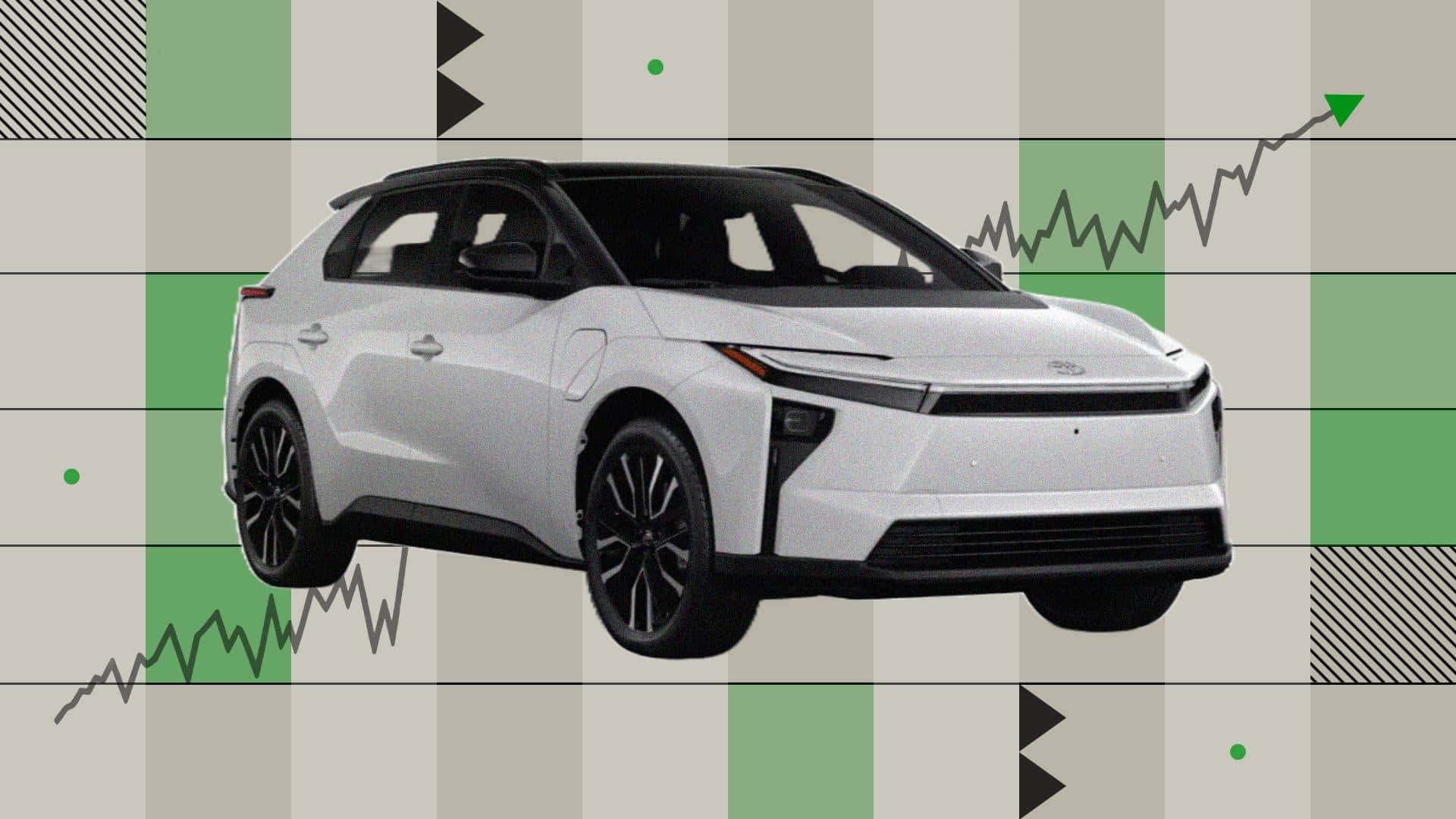
Tesla remains the dominant player, delivering 124,800 units in Q2, a 6.4% rise over Q1 2026. The Cool Down reported the same Tesla figure and confirmed the modest growth despite a 9.6% dip from Q4 2025, when deep discounting boosted sales. The Model Y led the pack with 84,863 units sold, an 8.0% increase over the previous quarter, making it the best‑selling EV in the United States. The Model 3 followed with 34,944 units, up 10% QoQ. Hyundai’s Ioniq 5 and Toyota’s bZ series occupied the third and fourth spots with 10,940 and 7,524 units respectively, while Ford’s Mustang Mach‑E rounded out the top five at 7,032 units.
The data also underscores the depth of the pre‑credit‑expiration boom and bust. In the final quarter before the credit lapsed, automakers sold a record 437,487 EVs as buyers rushed to capture the incentive. That figure plunged 46% to 234,171 units in the following quarter and slipped further to 216,399 units in Q1 2026. Business Insider echoed these numbers, confirming the sharp contraction that followed the policy change.
Two forces appear to be cushioning the rebound. First, gasoline prices have stayed high, making the operating cost advantage of EVs more compelling. Cox Automotive noted that “high gas prices were boosting sales of hybrids,” a sentiment that aligns with broader market observations. Second, state‑level incentives and new model launches are providing localized demand spikes. As Cox put it, “New product launches, state‑level incentive programs, and continued consumer interest are helping support demand.”
Beyond the headline numbers, the composition of sales is shifting toward more affordable, high‑volume models. The Model Y’s growth, combined with modest gains for the Model 3 and the Hyundai Ioniq 5, indicates that consumers are gravitating to lower‑priced EVs that can compete with conventional compact cars on a total‑cost‑of‑ownership basis. This trend is forcing manufacturers to re‑evaluate their product pipelines. The source notes that automakers have delayed or canceled dozens of planned EV models and booked billions in charges as they scaled back electrification plans—a direct response to the policy shock.
Supply‑chain implications are already emerging. The pivot to cheaper EVs puts pressure on battery cell manufacturers to deliver high‑energy‑density packs at lower cost, while simultaneously expanding the public charging network to accommodate a broader user base. Although the source mentions that the charging network “continues to expand at a healthy pace,” it does not quantify the build‑out, leaving analysts to infer that infrastructure growth may become a bottleneck if demand accelerates faster than charger deployment.
Audit & Contradictions
The report provides a solid data set for Q2, but several key claims rely on a single source and should be treated with caution. Toyota’s year‑over‑year EV sales surge—225% to 11,826 units in Q2 and a 136% increase to 21,855 units in the first half of the year—is only documented in the InsideEVs article; no independent outlet has verified these figures yet. Likewise, the assertion that the United States “eliminated the federal EV tax credit and rolled back fuel‑economy standards” after 2025 appears solely in the primary source. While the tax‑credit expiration is factual, the broader policy context lacks external corroboration in the provided material.
The fact‑check audit rates the contradiction level as “Low,” meaning no direct conflicts were found among the sources. However, the reliance on a single source for the Toyota and policy statements means readers should interpret those points as the publication’s reporting rather than independently verified facts.
Future Outlook
If the Q2 rebound holds, it could reshape competitive dynamics in the U.S. market. Established players like Tesla and Hyundai appear poised to capitalize on the demand for mid‑range EVs, while legacy manufacturers such as Toyota may accelerate their electrified line‑ups to protect market share. The shift toward affordable models could also invite new entrants—especially Chinese brands that specialize in low‑cost EVs—if tariff and regulatory environments remain favorable.
Regulators may view the modest recovery as a signal to reconsider the federal tax credit’s structure. A targeted, point‑of‑sale credit for lower‑priced models could reignite sales without the broad fiscal impact of the original program. Meanwhile, state governments are likely to continue their incentive programs, as they have already demonstrated measurable impact on quarterly sales.
Supply‑chain stakeholders should prepare for a potential surge in demand for battery cells optimized for cost rather than maximum range. Battery manufacturers that can deliver volume at lower price points may secure long‑term contracts, while those focused on premium, high‑energy packs could see a relative slowdown.
In sum, the Q2 data suggests the U.S. EV market is finding a new equilibrium after the tax‑credit shock. The rebound is modest but meaningful, driven by high fuel prices, state incentives, and a strategic pivot toward affordable models. How manufacturers, policymakers, and supply‑chain actors respond will determine whether this uptick becomes a sustained growth trajectory or a brief pause before the next market correction.
The market now appears to be stabilizing after the anticipated correction,
—Cox Automotive, as cited by InsideEVs.