Lead Hook
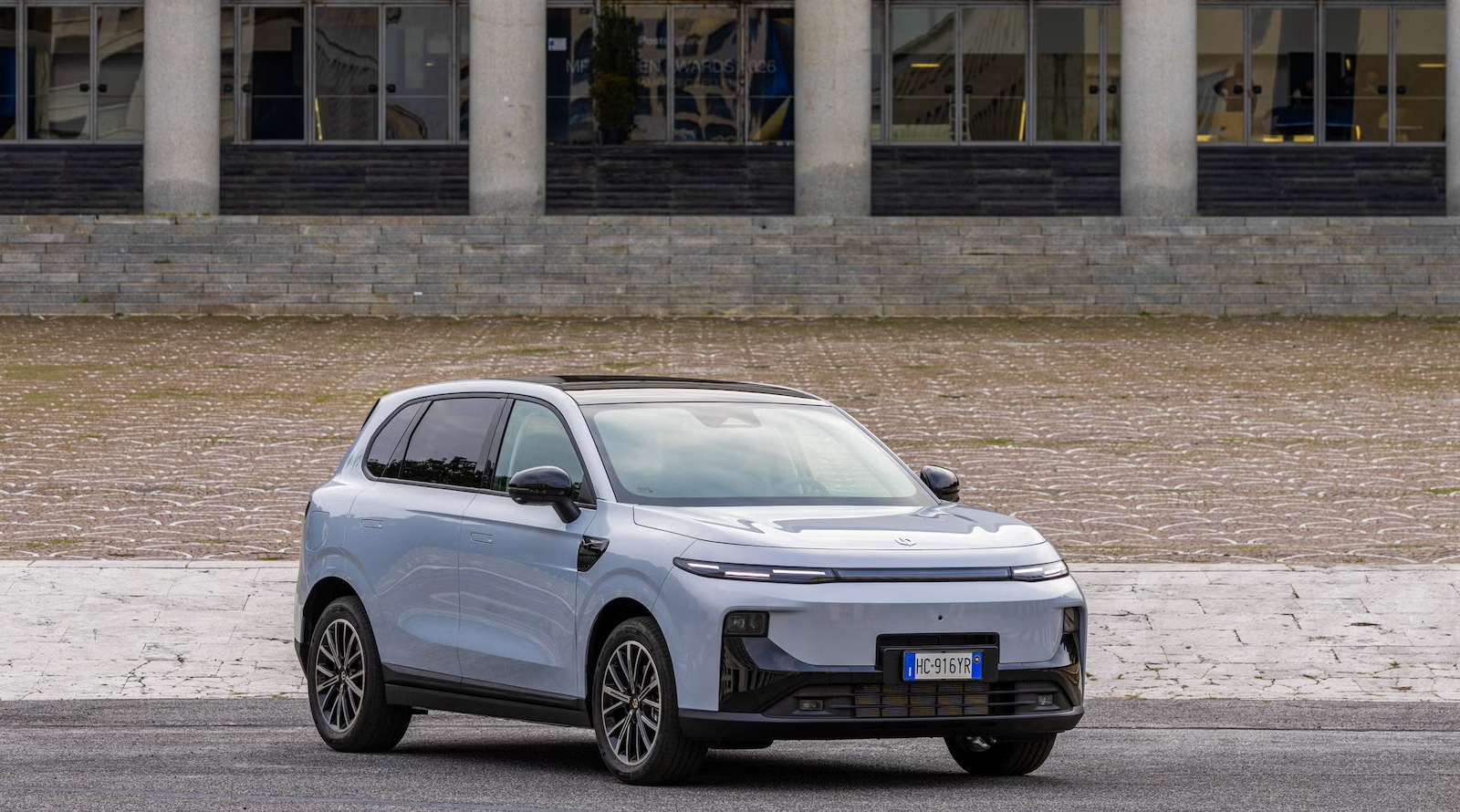
When a Chinese electric‑vehicle maker slips into North America via a Mexican showroom, the story is about more than a new model on a dealer lot. It is a test case for how a major Western automaker can act as a conduit for Chinese technology, potentially reshaping trade flows, supply‑chain dependencies, and regulatory battles that have defined the U.S. auto market for years. Leapmotor’s B10 extended‑range electric SUV (EREV) arriving in Mexico, under the aegis of Stellantis, offers a concrete glimpse of that emerging pathway.
Deep Dive
According to the CleanTechnica report, the Leapmotor B10 is the first vehicle from the Chinese brand to be offered in Mexico, a market that already hosts Stellantis’ extensive dealership network. The article notes that Stellantis owns a 51 % stake in Leapmotor, a fact that gives the European‑American conglomerate a direct line to the Chinese firm’s product pipeline. While the ownership figure appears only in the CleanTechnica piece, the partnership itself is corroborated by an independent Council on Foreign Relations analysis that highlights the growing flow of Chinese EVs into Mexico and Canada.
The B10’s entry strategy hinges on a year‑long validation process at Stellantis’ engineering centre in Mexico. As the source puts it, "
Before the B10 reached showrooms, it spent more than a year undergoing validation and testing at Stellantis’ engineering center in Mexico, where it was adapted for local roads, climate and regulations,". This adaptation period reflects the practical hurdles of meeting Mexican safety standards, emissions rules, and climate considerations—steps that would be even more onerous in the United States, where tariff and safety‑approval regimes are stricter.
Pricing and specifications are also detailed in the CleanTechnica article: a starting price of $32,895, an 18.8 kWh battery, and a 1.5‑liter range‑boosting engine. Because these figures are not independently verified, they should be treated as the company’s disclosed numbers rather than confirmed market data. Nevertheless, the price point positions the B10 alongside other affordable compact SUVs in Mexico, suggesting a deliberate attempt to capture price‑sensitive buyers who might otherwise consider a domestic or Japanese model.
Stellantis’ existing dealer footprint in Mexico simplifies distribution logistics. The company can leverage its service infrastructure, parts supply chains, and brand‑recognition to introduce Leapmotor with relatively low incremental cost. This model mirrors how other global automakers have used joint ventures to enter emerging markets without building wholly new distribution channels.
From a geopolitical perspective, the launch sidesteps the most immediate barrier to Chinese EVs entering the United States: the 27.5 % tariff imposed on fully built Chinese‑origin vehicles. By first establishing a foothold in Mexico, Leapmotor can build brand awareness, collect real‑world performance data, and potentially qualify for regional trade agreements that reduce tariff exposure if the model later seeks U.S. entry. The move also aligns with broader trends noted by CNBC, which observes that Chinese EVs may reach the United States “within a few years, one way or another,” often through indirect routes.
Beyond tariffs, the Mexican launch offers a regulatory sandbox. Mexico’s vehicle‑type approval process, while rigorous, is less politicised than the U.S. National Highway Traffic Safety Administration (NHTSA) framework, allowing quicker iteration on software updates, battery management systems, and over‑the‑air (OTA) capabilities. For Leapmotor, this testing ground can serve as a proving‑stone for technologies that might later be exported to higher‑margin markets.
Audit & Contradictions
The CleanTechnica piece provides the core fact that Leapmotor’s B10 SUV is now selling in Mexico, a claim confirmed by the Council on Foreign Relations report on Chinese EV imports to the region. However, several statements remain single‑source and should be framed with caution:
- The assertion that Stellantis owns 51 % of Leapmotor is reported only by CleanTechnica.
- Pricing ($32,895), battery capacity (18.8 kWh), and the 1.5‑liter range‑boosting engine are also single‑source figures.
- The year‑long validation timeline, while quoted directly, is not corroborated by any other outlet.
- Claims that Leapmotor “has performed superbly” in markets outside China, including Europe, and that the B10 “could be a big hit in the US but likely never will be sold there,” are unverified opinions from the same article.
The fact‑check audit notes a “Low” contradiction level, meaning no direct conflicts were found between sources, but the reliance on a single outlet for most technical and market‑performance details warrants careful hedging.
Future Outlook
If the Mexican rollout proves successful—measured by sales volume, service satisfaction, and regulatory compliance—Stellantis could consider a phased entry into the United States, perhaps under a different badge or through a low‑tariff NAFTA/USMCA arrangement. Competitors such as BYD, already present in Mexico, may feel pressure to accelerate their own market‑entry strategies, potentially spurring a wave of Chinese‑origin EVs across North America.
Regulators on both sides of the border are likely to watch the Leapmotor case closely. U.S. policymakers concerned about Chinese technology penetration may scrutinise any future attempts to import the B10, while Mexican authorities could use the launch as a benchmark for evaluating foreign‑made EVs’ compliance with local standards.
For investors and industry observers, the key takeaway is that ownership stakes and cross‑border engineering collaborations can create indirect routes for Chinese EVs to bypass traditional trade barriers. The Leapmotor B10’s Mexican debut is a modest first step, but it underscores a strategic shift: Chinese manufacturers are no longer solely dependent on direct exports to the United States; they can now leverage partnerships, regional testing hubs, and existing dealer networks to embed themselves within the broader North American automotive ecosystem.