Lead Hook
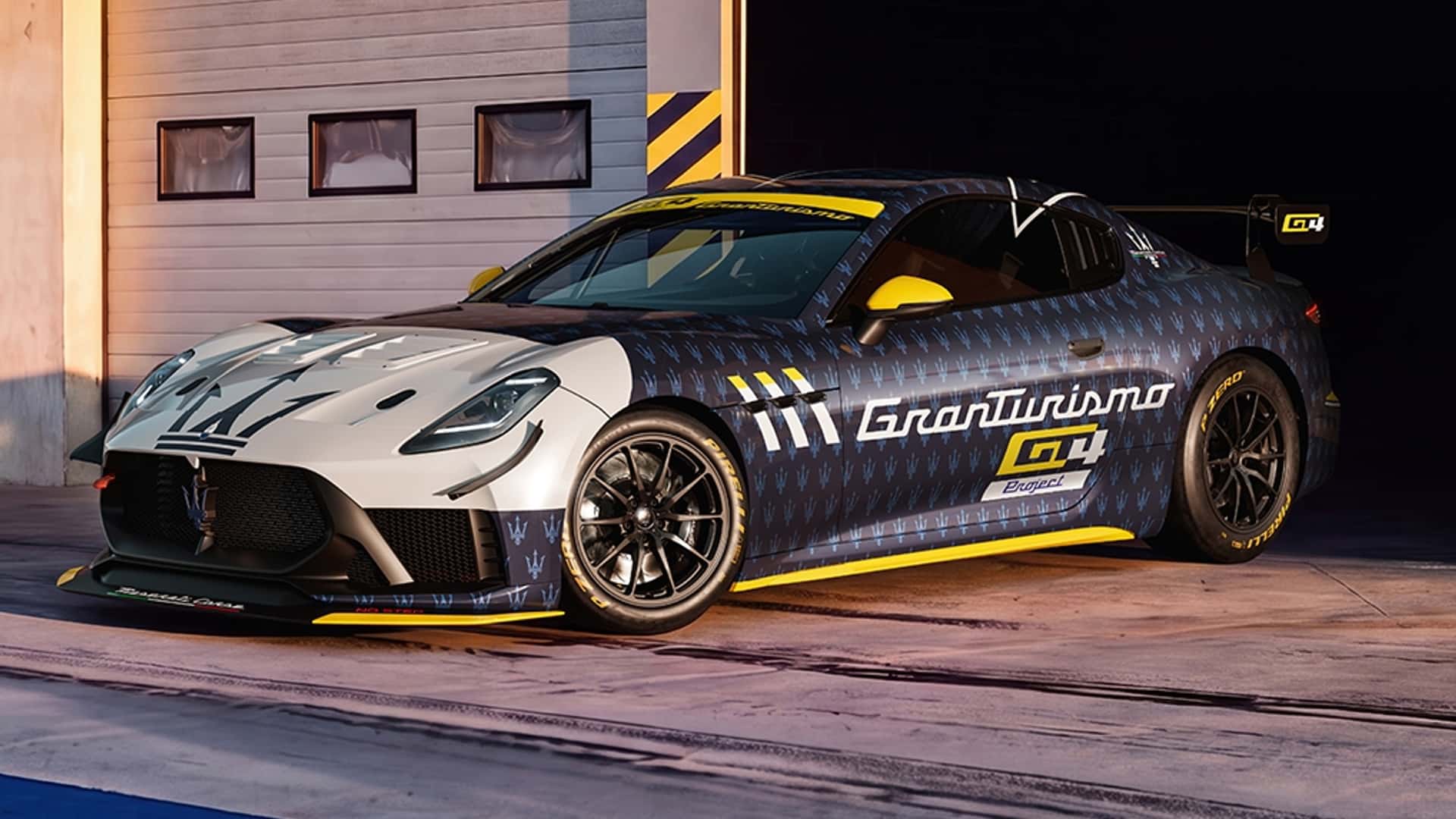
When Maserati rolled out the Project GT4 at the 2026 Goodwood Festival of Speed, the sight of a GranTurismo stripped of its leather seats, touchscreens and all‑wheel‑drive system was more than a visual shock—it signaled a strategic gamble. In a luxury market where sales growth is flattening and rivals are consolidating their motorsport programmes, Maserati is betting that a lightweight, 690‑horsepower V6 racer can reignite brand relevance, showcase engineering prowess, and do so without the cost of an all‑new chassis. The move could reshape how heritage marques leverage existing road‑car platforms for competitive racing.
Deep Dive
According to the announcement on Motor1, the Project GT4 is built directly on the current GranTurismo platform, borrowing the body and powertrain "taken directly from the road car". The heart of the machine is the 3.0‑liter twin‑turbocharged Nettuno V6, which in the GT4 specification delivers up to 690 hp to the rear wheels, abandoning the GranTurismo’s all‑wheel‑drive system. This power increase is paired with a weight reduction of roughly 400 kg (about 882 lb), achieved by discarding luxury appointments such as electronic leather seats, a touchscreen infotainment system, and the Sonus Faber audio suite. The interior now consists of a racing yoke, basic switchgear, a roll‑cage and six‑point harnesses.
The engineering choices are dictated by GT4 regulations, which require a balance between performance and cost‑control. Front splitters, dive planes, a bespoke braking system and 18‑inch wheels are all "compliant with GT4 regulations". By retaining the road‑car’s chassis and engine block, Maserati sidesteps the expense of developing a ground‑up race chassis while still meeting the homologation requirements that demand a clear lineage to a production model.
Financially, the approach mirrors a broader industry trend: manufacturers are using existing platforms to amortise R&D spend across road and race programmes. The GT4 class, unlike the higher‑budget GT3 tier, is designed for privateer teams and smaller manufacturers, making the cost‑per‑horse‑power metric a critical success factor. By shedding 400 kg—roughly a 15% reduction from the road car’s curb weight—Maserati not only gains a competitive power‑to‑weight ratio but also reduces material costs associated with chassis reinforcement and safety equipment.
Regulatory compliance also plays a role. GT4 rules limit aerodynamic devices and enforce a minimum weight floor, meaning that the 400 kg cut is likely the maximum permissible without invoking balance‑of‑performance (BoP) penalties. The decision to run rear‑wheel‑drive only aligns with the class’s emphasis on driver skill and parity, while also simplifying drivetrain packaging and reducing drivetrain losses.
Beyond the mechanical, the car carries a visual homage to Maserati’s centenary of racing. The livery features a large blue trident on a white background at the front, complemented by 100 smaller tridents across the rear—a nod to the brand’s 100‑year motorsport legacy. This branding effort is intended to resonate with both heritage enthusiasts and a younger audience drawn to motorsport narratives.
Independent outlets—including media.stellantis.com, SPEEDWEEK.com and dailysportscar.com—have confirmed each of these specifications, reinforcing the credibility of the Motor1 report.
Audit & Contradictions
The press release is remarkably straightforward, but it leaves several questions unanswered. First, Maserati provides no detail on the development budget or the expected return on investment from the GT4 programme. While the weight‑saving figures and power output are clear, the company does not disclose how many chassis will be produced, whether they will be sold to customer teams or retained for a factory‑run effort.
Second, the announcement omits any discussion of the broader GT4 competitive landscape. Motor1 notes that Porsche will replace its 718 Cayman GT4 RS CS with a new 911 GT4 R for 2027, and that the BMW M4 GT4 EVO remains the “car to beat” as of mid‑2026. However, Maserati does not address how its 690‑hp, rear‑wheel‑drive package will compare against these rivals under BoP adjustments.
Third, there is no mention of homologation timelines beyond the target 2028 GT4 debut. The process of securing FIA approval can be lengthy, and any delays could shift the entry schedule.
According to the fact‑check audit, all core claims—including the unveiling at Goodwood, the 690 hp V6, the 2028 GT4 entry, the ~400 kg weight loss and the anniversary livery—are corroborated by multiple sources. The audit reports "contradiction_level": "None", indicating no detectable conflicts between the primary article and the independent reports.
Future Outlook
If Maserati’s GT4 effort proves competitive, it could trigger a ripple effect across the luxury‑performance segment. Competitors such as Porsche and BMW have already entrenched themselves in GT4, using the class as a feeder for brand‑building and driver development. A successful Maserati entry would demonstrate that a heritage marque can re‑enter high‑profile racing without a full‑scale, ground‑up project, potentially encouraging other manufacturers to adopt similar cost‑efficient homologation strategies.
From a market perspective, the GT4 platform offers a marketing conduit to younger, performance‑oriented buyers who may not yet afford a new GranTurismo but are attracted by the racing pedigree. The special livery and the narrative of a 100‑year racing anniversary could be leveraged in future showroom campaigns, linking the race car’s technology back to the road‑going GranTurismo.
Regulators may also take note. As more manufacturers opt for platform‑sharing approaches, the FIA could face pressure to refine BoP mechanisms to ensure parity, especially when a car benefits from a road‑car’s advanced engineering while being stripped of luxury weight.
Ultimately, the Project GT4 is a litmus test for Maserati’s ability to blend heritage, engineering efficiency, and market relevance. Its performance on the 2028 GT4 grid will reveal whether the brand’s gamble on a lighter, more powerful GranTurismo derivative can translate into a sustainable motorsport and commercial strategy.