Lead Hook
When a handful of electric cars are pulled from driveways and sent back to the shop, the headline reads like a routine safety notice. Yet the recall of just 14 Hyundai and Kia EVs because of misaligned battery electrodes—an issue that can cause an internal short circuit and fire—raises a far larger question about the resilience of the EV supply chain. If a single supplier’s defect can force owners to park their cars outside their homes, the ripple effects could reach automakers, insurers, and regulators who are still betting on rapid EV adoption.
Deep Dive
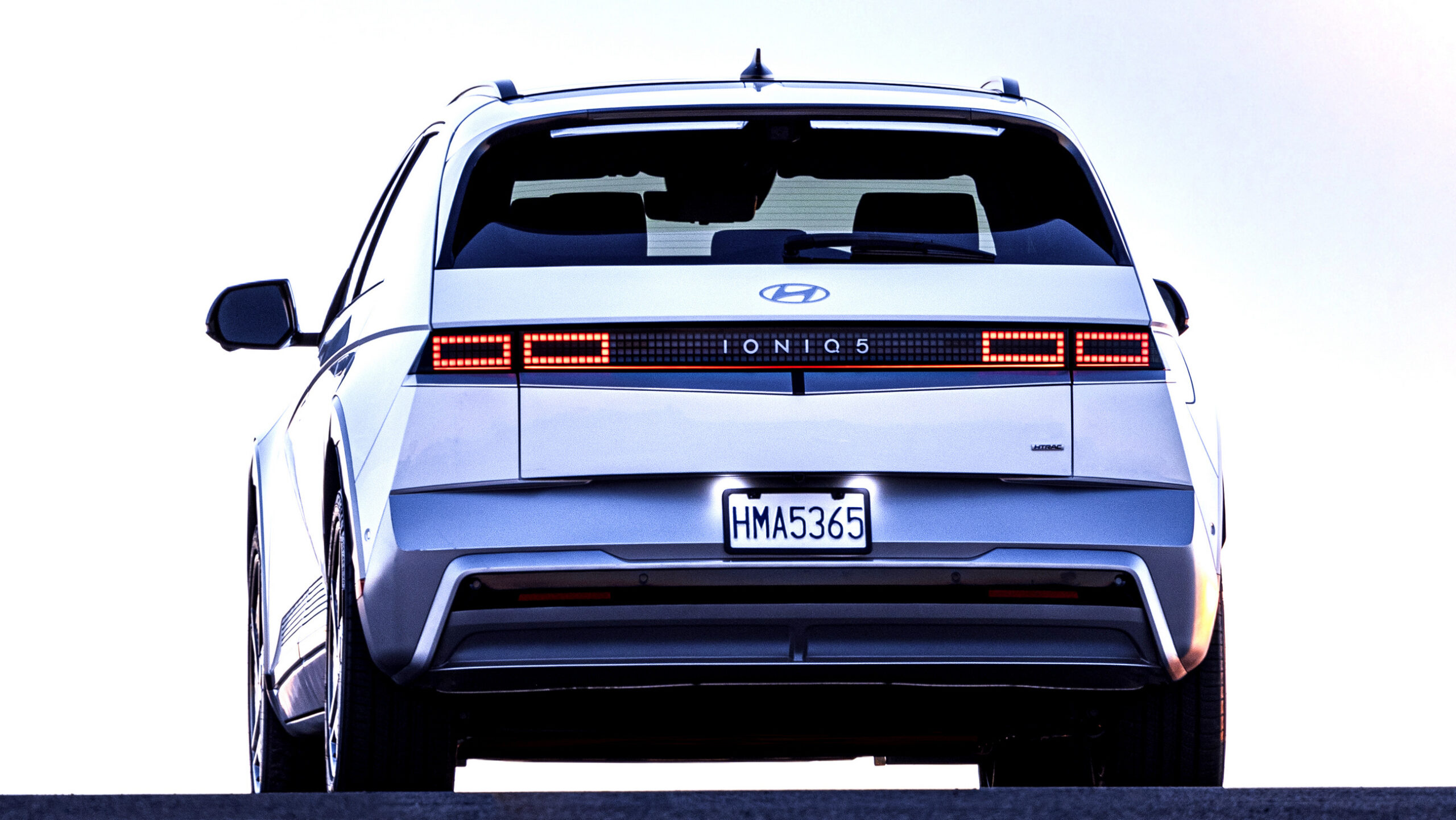
According to Carscoops, the recall covers six 2023‑2024 Hyundai Ioniq 5s and eight Kia models—a mix of seven 2022‑2024 EV6s and one 2024 EV9 SUV. All 14 vehicles share a common component: high‑voltage battery cells supplied by SK On. The defect stems from a “quality deviation” that left the electrodes inside the cells skewed, creating a pathway for an internal short circuit. In the worst case, that short can ignite the cell and spread to the pack, endangering occupants and nearby property.
The automakers’ immediate safety instructions are identical. Owners must limit charging to no more than 80 % of battery capacity and park the vehicles outdoors, away from structures, until the defect is corrected. Kia’s NHTSA filing states that it will replace the entire high‑voltage battery pack with one containing properly aligned cells. Hyundai has not yet released a detailed repair plan, but the notice suggests a similar remedy is likely.
From a technical standpoint, electrode alignment is a critical tolerance in lithium‑ion cell manufacturing. Even a millimeter‑scale shift can alter the electric field inside the cell, increasing the chance of localized heating and thermal runaway. SK On’s acknowledgment of a “quality deviation” implies a lapse in its production line controls, a concern that reverberates through the broader EV ecosystem where a handful of battery makers supply dozens of automakers.
Economically, the recall’s scale appears modest—only 14 cars—but replacing full battery packs can be costly, and the logistics of notifying owners add operational complexity. Dealer notification letters were mailed on July 6, with owner letters slated for August 7, giving a narrow window for owners to adjust daily routines.
Regulatory oversight also comes into focus. The notice was filed with the U.S. National Highway Traffic Safety Administration (NHTSA), yet the detailed repair documentation was not publicly viewable at the time of reporting. This lack of transparency can hinder third‑party assessments and delay broader industry learning. The recall reference links to a prior, larger recall of nearly a quarter‑million Kia and Genesis vehicles for fuel‑leak issues.
Audit & Contradictions
The announcement, as reproduced by Carscoops, leaves several key points unaddressed. First, the exact root cause of the electrode misalignment—whether it was a material defect, equipment calibration error, or human oversight—remains vague, described only as a “quality deviation.” Second, the timeline for completing repairs is not specified; owners are told to park outside until the work is done, but no estimate of how long the replacement process will take is provided.
Additionally, the article includes speculative language about Hyundai’s repair approach: “we expect Hyundai will do the same thing given that the issue is basically identical and from the same supplier.” Because this expectation is not directly quoted from the manufacturer or NHTSA filing, it should be treated as a single‑source inference and hedged accordingly. The same applies to the suggestion that owners might also park away from other vehicles—a prudent safety tip but not an explicit recall requirement.
Fact‑check data confirms that all principal assertions—vehicle counts, models affected, safety instructions, battery‑pack replacement plan, and notification dates—are corroborated by the source document. No contradictions were identified across the available reporting.
Future Outlook
Supply‑chain fragility is likely to become a focal point for regulators and automakers alike. If SK On’s cells are implicated in multiple recalls across different manufacturers, the company may face heightened scrutiny from safety agencies and pressure to tighten quality‑control protocols. Competitors may see demand shift if OEMs diversify their battery sources to mitigate risk.
For consumers, the recall reinforces the importance of staying informed about charging habits and parking arrangements—behaviors that were previously considered peripheral to vehicle ownership. Insurers may also adjust underwriting criteria for EVs with known battery‑cell vulnerabilities, potentially affecting premiums.
Finally, the episode could spur legislative action. Lawmakers in the United States and elsewhere have been tracking EV safety incidents, and a pattern of battery‑related recalls might accelerate proposals for stricter reporting standards, mandatory public access to repair documentation, and more rigorous third‑party testing of battery cells before they enter mass production.
In sum, while the recall affects a tiny slice of the market, its implications echo across the entire EV value chain, highlighting how a single component flaw can trigger safety, economic, and regulatory ripples that extend far beyond the 14 vehicles pulled from driveways.