Lead Hook
When Toyota announced it will build the midsize Tacoma truck in San Antonio, Texas, the headline was a $3.6 billion cash infusion and 2,000 new jobs. The deeper story, however, is how the move reshapes the North‑American truck supply chain at a time when trade rules and labor costs are in flux. By relocating a portion of its production from Baja California to the United States, Toyota is not just expanding capacity; it is hedging against regulatory risk, rebalancing its cross‑border manufacturing footprint, and testing the limits of capital efficiency in an industry still wrestling with the after‑effects of the USMCA renegotiation.
Deep Dive
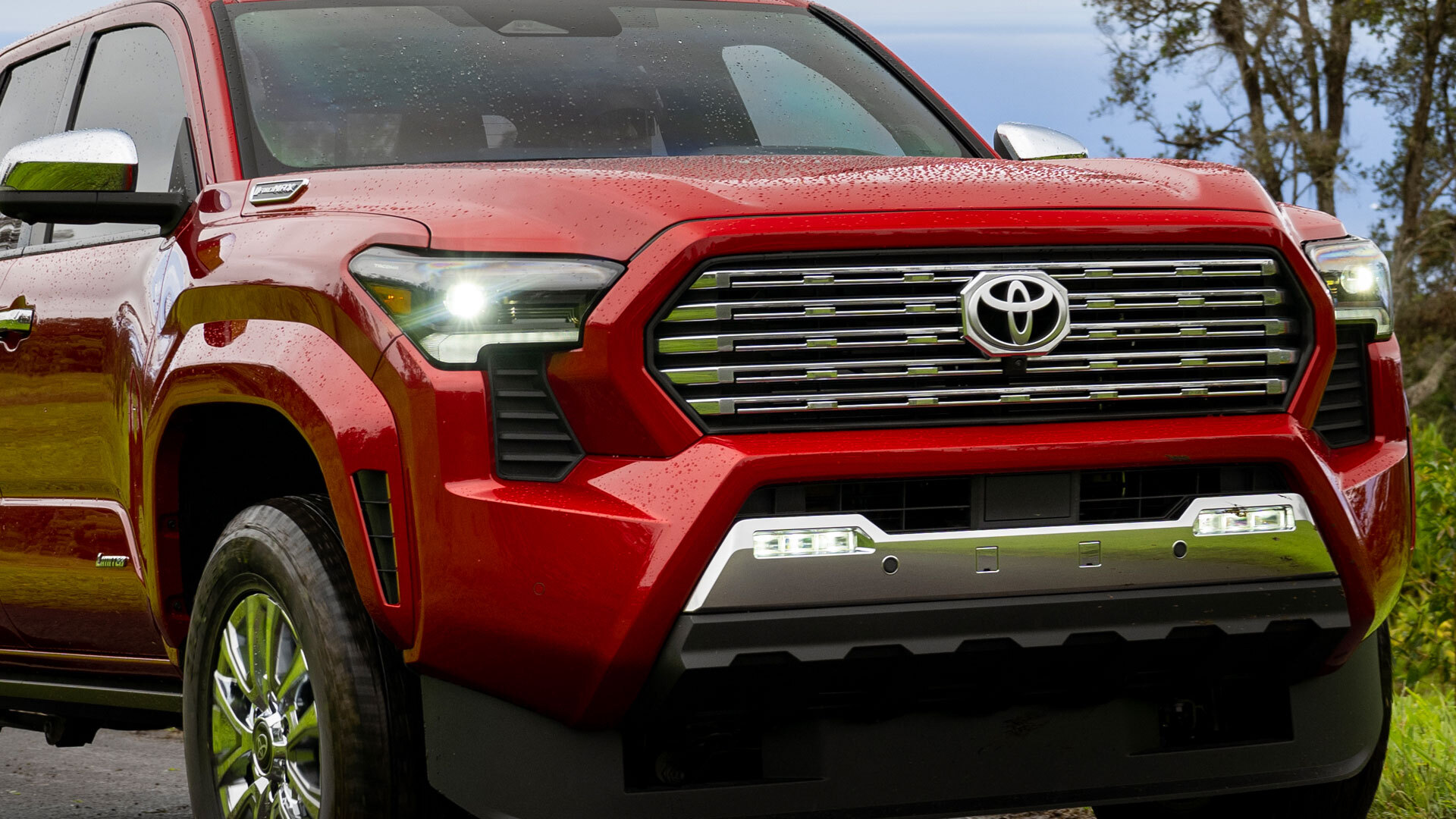
According to Carscoops, Toyota will invest $3.6 billion to add a second assembly line at its San Antonio facility, slated to become operational in 2030. The announcement says the line will be capable of producing roughly 150,000 Tacoma trucks per year and will create “over 2,000 new jobs.” The plant will also double in size, adding about 2.5 million square feet to accommodate the new line alongside existing Tundra and Sequoia production, and a newly‑built rear‑axle plant that is expected to start soon.
The shift is staged over a four‑year phase‑out of the Baja California plant, which currently assembles the Tacoma. Toyota’s own language frames the move as part of a “best‑company‑in‑town” approach that aims to “contribute to the local community and continue offering diverse options tailored to local needs through a multi‑pathway approach.” The company also stresses that it will keep building the Tacoma at its Guanajuato, Mexico plant, indicating that the Mexican operation remains a core component of its overall supply chain.
From a supply‑chain perspective, the relocation reduces the truck’s exposure to cross‑border logistics bottlenecks. While the USMCA remains in effect, the previous administration’s decision not to renew the agreement raised concerns about tariff exposure and customs delays. By moving a sizable share of Tacoma production onto U.S. soil, Toyota can sidestep potential tariff escalations and gain greater control over lead‑time variability. The move also aligns with a broader industry trend of “nearshoring,” where manufacturers position critical assembly steps closer to the end market to mitigate geopolitical risk.
Labor economics further illuminate the decision. Texas offers a comparatively low‑cost, high‑skill workforce, bolstered by state incentives such as the Texas Enterprise Fund and the JETI (Jobs, Energy, Technology and Innovation) program. Governor Greg Abbott highlighted that the expansion is supported by these programs, noting it will “help Texas stay competitive by attracting new jobs and investment to the state.”
"help Texas stay competitive by attracting new jobs and investment to the state." – Texas Governor Greg AbbottThese incentives, combined with the promise of a “Texas‑sized investment” that reflects the state’s “strength of our workforce and the unmatched business advantages found only in our state,” create a fiscal environment that can absorb the large capital outlay while delivering political goodwill.
Engineering considerations also play a role. The San Antonio campus already houses a rear‑axle plant, which can streamline the supply of key components to the new Tacoma line, potentially reducing part‑in‑process inventory and shortening the assembly cycle. Co‑locating the Tacoma with the Tundra and Sequoia may enable shared platforms for powertrains and chassis components, enhancing economies of scale.
Audit & Contradictions
The press release is clear on the headline figures, but several details remain unverified outside the primary source. The $3.6 billion investment, the 2030 start‑up date, the 2,000‑job estimate, the 150,000‑unit annual capacity, the four‑year phase‑out of Baja California, and the continued Guanajuato production are all reported solely by the original announcement. According to the fact‑check audit, these points are “single‑source claims” and should be treated as the company’s projections rather than independently confirmed data.
No contradictions were identified between the source and corroborating outlets; the move of Tacoma production to Texas is confirmed by both Carscoops and CBC. However, the audit notes that the broader strategic rationale—such as mitigating USMCA uncertainty—is not explicitly stated in the announcement, leaving readers to infer the underlying risk management motives.
Future Outlook
If Toyota’s San Antonio line reaches its projected 150,000‑unit capacity, the United States could become a net exporter of midsize trucks, potentially reshaping competitive dynamics with domestic rivals like Ford and Chevrolet. Competitors may feel pressure to accelerate their own nearshoring initiatives or to lobby for more favorable trade terms to keep Mexican plants viable.
For Mexico, the phased reduction of Tacoma output at Baja California could translate into job losses unless Toyota reallocates production volume to its Guanajuato facility or other models. The continued operation of the Guanajuato plant suggests a partial offset, but the net employment impact remains uncertain.
Regulators on both sides of the border will likely monitor the shift closely. In the United States, the expansion could bolster arguments for further incentives to attract automotive investment, while in Canada, where Toyota also maintains production, the move may intensify discussions about the comparative attractiveness of each NAFTA‑era partner.
Ultimately, Toyota’s decision underscores a strategic pivot: leveraging capital investment to secure supply‑chain resilience and capitalize on a strong domestic truck market. How other manufacturers respond—whether by deepening cross‑border integration or by replicating Toyota’s nearshoring model—will shape the next decade of North‑American automotive manufacturing.