Lead Hook
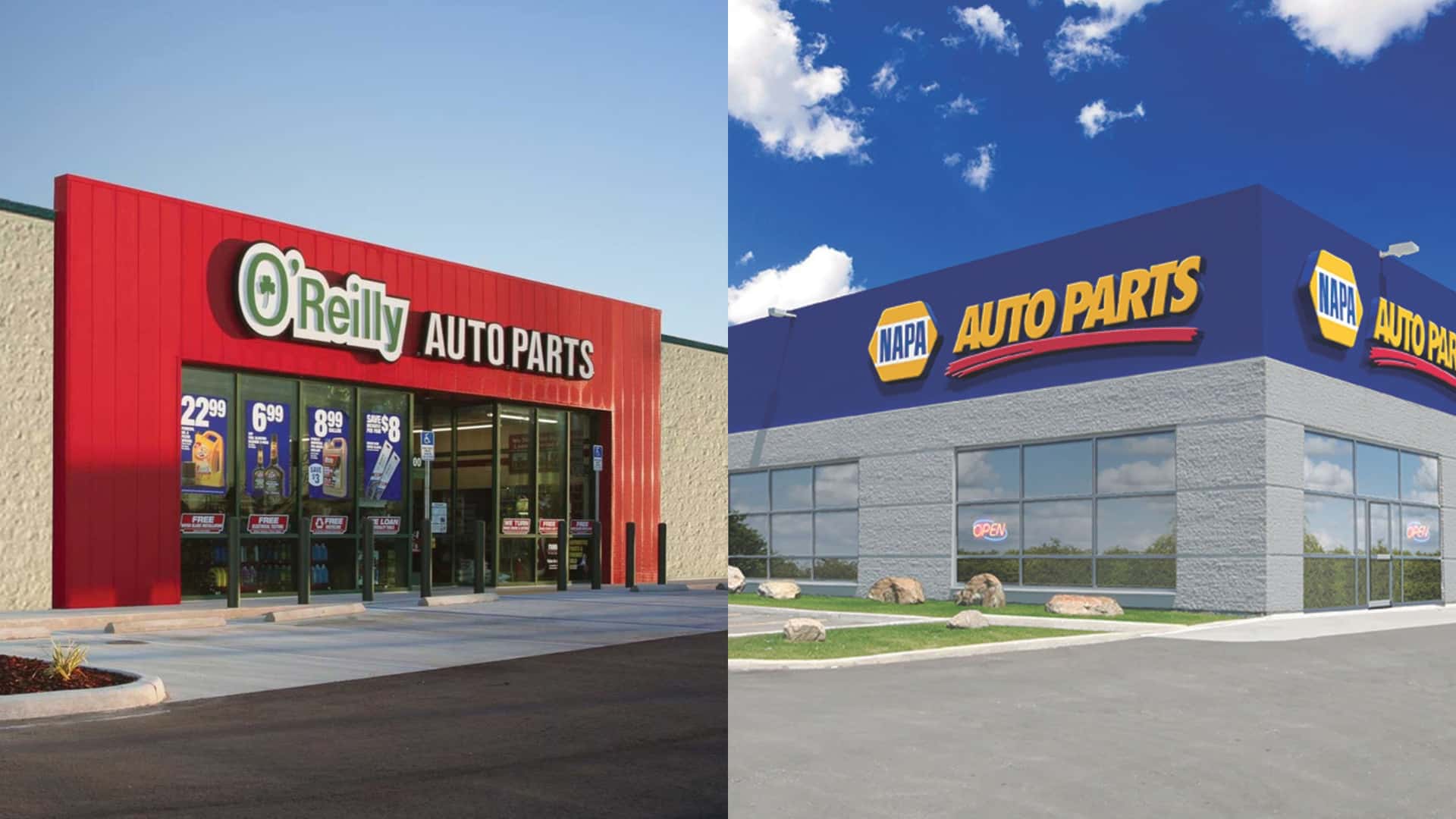
The auto‑repair world may be on the brink of a seismic shift. O'Reilly Automotive Inc. has put a $10 billion bid on the table to acquire Genuine Parts Company’s aftermarket unit, which includes the widely‑known Napa Auto Parts chain. Beyond the headline‑grabbing price tag, the deal could compress an already fragmented aftermarket, tilt pricing power toward two giant distributors, and force regulators to weigh the competitive fallout for independent garages that keep America’s cars on the road.
Deep Dive
According to Motor1, the bid targets Genuine Parts’ auto‑parts business, a network that spans more than 10,000 locations worldwide and includes over 6,000 Napa stores in the United States. If O'Reilly succeeds, its existing footprint of roughly 5,600 stores would merge with Napa’s extensive presence, creating a single entity that controls a majority of the retail channels where DIYers and professional mechanics source replacement parts.
The consolidation would also bring together two parallel supply‑chain architectures. O'Reilly operates a heavily centralized distribution model that leverages high‑volume purchasing to negotiate lower prices from manufacturers. Napa, by contrast, has historically relied on a more regionally diversified network of distributors, a structure that has helped independent shops in remote markets secure parts that larger chains might overlook. Merging these models could yield cost efficiencies for the combined company, but it also risks reducing the redundancy that currently protects the market from localized shortages—a concern that has grown louder as vehicle electronics become more complex and parts lead times lengthen.
Industry observers note that the aftermarket has already been under pressure from original equipment manufacturers (OEMs) that increasingly sell parts directly to consumers through digital platforms. A larger, more powerful distributor could negotiate tougher terms with OEMs, potentially limiting the ability of smaller retailers to compete on price or access the latest components. The result could be higher retail prices for consumers and a narrower selection of parts, especially for older or less common vehicle models.
From a capital‑efficiency standpoint, the acquisition would give O'Reilly access to Napa’s cash‑rich balance sheet and its 100‑year legacy of brand loyalty. The combined entity could leverage the $15 billion in 2025 sales that Motor1 attributes to Genuine Parts’ auto unit to fund technology upgrades—such as advanced inventory analytics and e‑commerce platforms—that further entrench its market dominance. However, the same scale could draw antitrust attention; the Department of Justice and the Federal Trade Commission have historically scrutinized deals that concentrate market share in the auto‑parts sector, citing concerns over price‑fixing and reduced competition.
Bloomberg’s reporting, cited by Motor1, references “people familiar with the matter” as the source of the bid, underscoring the confidentiality that typically surrounds transactions of this magnitude. While the exact terms of the offer remain private, the public nature of the bid signals O'Reilly’s confidence that the market will tolerate a merger that could create a near‑monopoly in certain regional pockets.
Audit & Contradictions
The core claim—that O'Reilly has placed a $10 billion bid for Genuine Parts’ aftermarket unit—is corroborated by multiple independent outlets, including Barron's and Inc.com. Motor1’s article, however, supplies several additional details that have not been independently verified. These single‑source statements include:
- Genuine Parts’ intention to split its auto parts unit and industrial operations by early next year.
- The exact count of “more than 10,000 global locations” and “over 6,000 Napa stores” in the United States.
- The $15 billion in sales generated by the auto unit in 2025, coinciding with its 100th year of operation.
- The expectation that an announcement could be made as soon as this summer, with the split finalized by early 2027.
- The immediate stock‑price reaction: Genuine Parts up 13 percent, O'Reilly down 2.6 percent.
Fact‑check data flags these points as single‑source claims, meaning they rely solely on the Motor1 report and lack external confirmation at this time. The overall contradiction level is reported as “Low,” indicating no direct conflicts between sources, but the lack of independent verification warrants caution.
"people familiar with the matter,"
— Bloomberg, as quoted by Motor1.
Future Outlook
If the deal clears regulatory hurdles, the combined O'Reilly‑Napa entity will control a sizable share of the U.S. aftermarket, potentially reshaping pricing dynamics and supply‑chain resilience. Competitors such as AutoZone and Advance Auto Parts may be forced to double‑down on niche services, digital ordering, or strategic alliances to retain market relevance. Regulators, meanwhile, will likely examine the merger through the lens of the Herfindahl‑Hirschman Index (HHI) to assess whether the post‑transaction market concentration exceeds thresholds that trigger antitrust review.
For independent repair shops, the stakes are clear: reduced competition could translate into higher part costs and fewer options for specialty components. Conversely, a larger distributor might invest in faster delivery networks and broader inventory, offering some operational benefits. The net outcome will hinge on how the merged company balances cost‑saving efficiencies with the need to maintain a competitive, diverse marketplace.
Stakeholders should monitor upcoming filings with the Securities and Exchange Commission, any statements from the Federal Trade Commission, and the timing of Genuine Parts’ announced split. The next few months will reveal whether this $10 billion bid becomes a catalyst for industry consolidation or a flashpoint for regulatory intervention.