Lead Hook
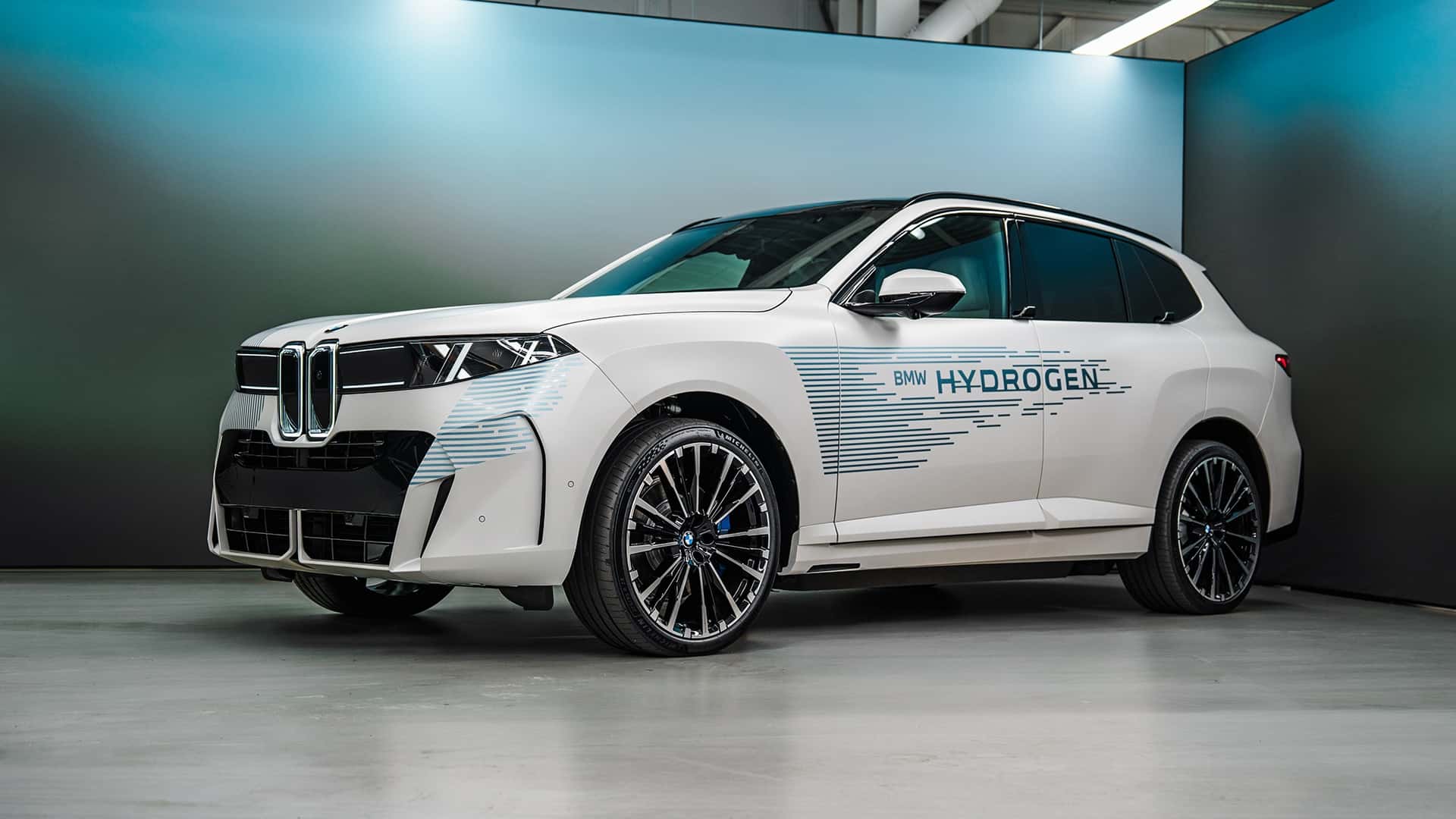
BMW’s newest X5 variant, the iX5, is being billed as a hydrogen‑powered answer to the electric‑vehicle surge. The company says the model will debut in 2028, travel up to 750 km on a WLTP cycle, and refill in under five minutes – numbers that sound impressive on paper. Yet the announcement skirts a stark reality: the refueling network required to make such promises viable is currently limited to a handful of stations, and the economics of hydrogen production remain heavily tied to fossil fuels. For a premium automaker, the gamble raises questions about supply‑chain readiness, capital allocation, and whether the green narrative can survive scrutiny.
Deep Dive
According to InsideEVs, BMW will first roll out the iX5 with conventional hybrid, plug‑in hybrid, and fully electric powertrains, while the hydrogen‑fuel‑cell version is slated for 2028. The automaker claims the fuel‑cell system will store seven kilograms (15.4 lb) of hydrogen in seven cylinders, delivering up to 750 km WLTP range – roughly 400 miles EPA – and that the tank can be filled in under five minutes. The iX5 is also touted as the first all‑wheel‑drive passenger vehicle powered by hydrogen, a distinction BMW says sets it apart from front‑wheel‑drive rivals such as the Hyundai Nexo and Honda CR‑V e:FCEV, and from the rear‑wheel‑drive Toyota Mirai.
BMW’s line director, Philip Koehn, frames the technology as part of a broader energy‑storage strategy. He told reporters at the X5 launch in Spartanburg, South Carolina:
"The hydrogen economy, if and when it develops, will most likely come alongside renewable energies,"suggesting that surplus wind and solar power could be converted into hydrogen via electrolyzers, stored, and later reconverted to electricity for transport or grid use. This logic mirrors current experiments by several U.S. firms that repurpose excess EV‑battery capacity into container‑sized storage units, positioning hydrogen as a complementary, rather than competing, solution.
Hydrogen’s appeal lies in its low self‑discharge rate, enabling storage for months—something lithium‑ion batteries struggle with due to inevitable capacity loss when left at full charge. However, the same source notes that the round‑trip efficiency of hydrogen – the proportion of original electricity recovered after conversion to hydrogen and back – hovers between 35 % and 55 %, compared with 80 % to 90 % for battery systems. The lower efficiency translates into higher energy losses and, consequently, higher operating costs.
Compounding the efficiency challenge is the current fuel source mix. The Department of Energy data cited in the article indicates that 95 % of hydrogen produced in the United States today relies on fossil fuels. This “dirty” origin undercuts the climate benefits that a fully renewable hydrogen ecosystem could deliver. The article also points out that more than 80 % of the world’s hydrogen stations are concentrated in five countries—China, Japan, South Korea, France, and Germany—leaving the United States with a mere 47 publicly accessible stations, all located in California. The scarcity of refueling points means that even a rapid five‑minute fill‑up may be moot for most drivers.
BMW’s partnership with Toyota on the fuel‑cell powertrain adds a layer of technical credibility, given Toyota’s pioneering work on the Mirai. Yet the collaboration does not resolve the fundamental supply‑chain bottlenecks: electrolyzer capacity, green‑hydrogen production, and the capital‑intensive rollout of a nationwide refueling network. While battery manufacturers are scaling up lithium‑iron‑phosphate and sodium‑ion chemistries to cut costs, hydrogen infrastructure requires entirely new pipelines, storage tanks, and safety protocols.
Audit & Contradictions
The announcement leaves several key details opaque. All of the following claims come from the InsideEVs report and lack corroboration from the other outlets listed in the fact‑check audit:
- BMW’s plan to launch the hydrogen‑powered iX5 in 2028.
- The projected 750 km WLTP range and sub‑five‑minute refuel time.
- The claim that the iX5 will be the first all‑wheel‑drive passenger vehicle powered by hydrogen.
- The co‑development of the fuel‑cell powertrain with Toyota.
- The figure that the United States has 47 publicly available hydrogen stations, all in California.
Fact‑checkers label these as “single‑source” statements, meaning they appear only in the InsideEVs article. No contradictions were identified in the independent outlets, resulting in a low contradiction level. Nonetheless, the lack of third‑party verification means readers should treat the specifications as company‑provided projections rather than independently confirmed data.
Future Outlook
If BMW’s iX5 materializes as described, it could force other premium brands to reconsider hydrogen as a niche offering, especially if green‑hydrogen production scales and refueling infrastructure expands beyond California. Regulators may also feel pressure to accelerate hydrogen‑station subsidies, mirroring incentives already in place for electric‑vehicle chargers. However, the capital outlay required for a nationwide hydrogen network is substantial, and the current round‑trip efficiency disadvantage suggests that hydrogen will likely remain a complementary storage medium rather than a direct replacement for batteries.
Competitors such as Toyota, Hyundai, and Honda already have hydrogen models, but none combine all‑wheel drive with the claimed range of the iX5. Should BMW succeed, it could carve a distinct market segment for long‑range, fast‑refueling premium SUVs, compelling rivals to upgrade drivetrain layouts and invest in joint hydrogen‑infrastructure projects.
Until green hydrogen becomes cost‑competitive and the station footprint grows, the iX5’s promise hangs on speculative infrastructure development. For investors and consumers alike, the iX5 represents a high‑stakes bet on a future that may require more policy support and technological breakthroughs than the current market trajectory suggests.