Lead Hook
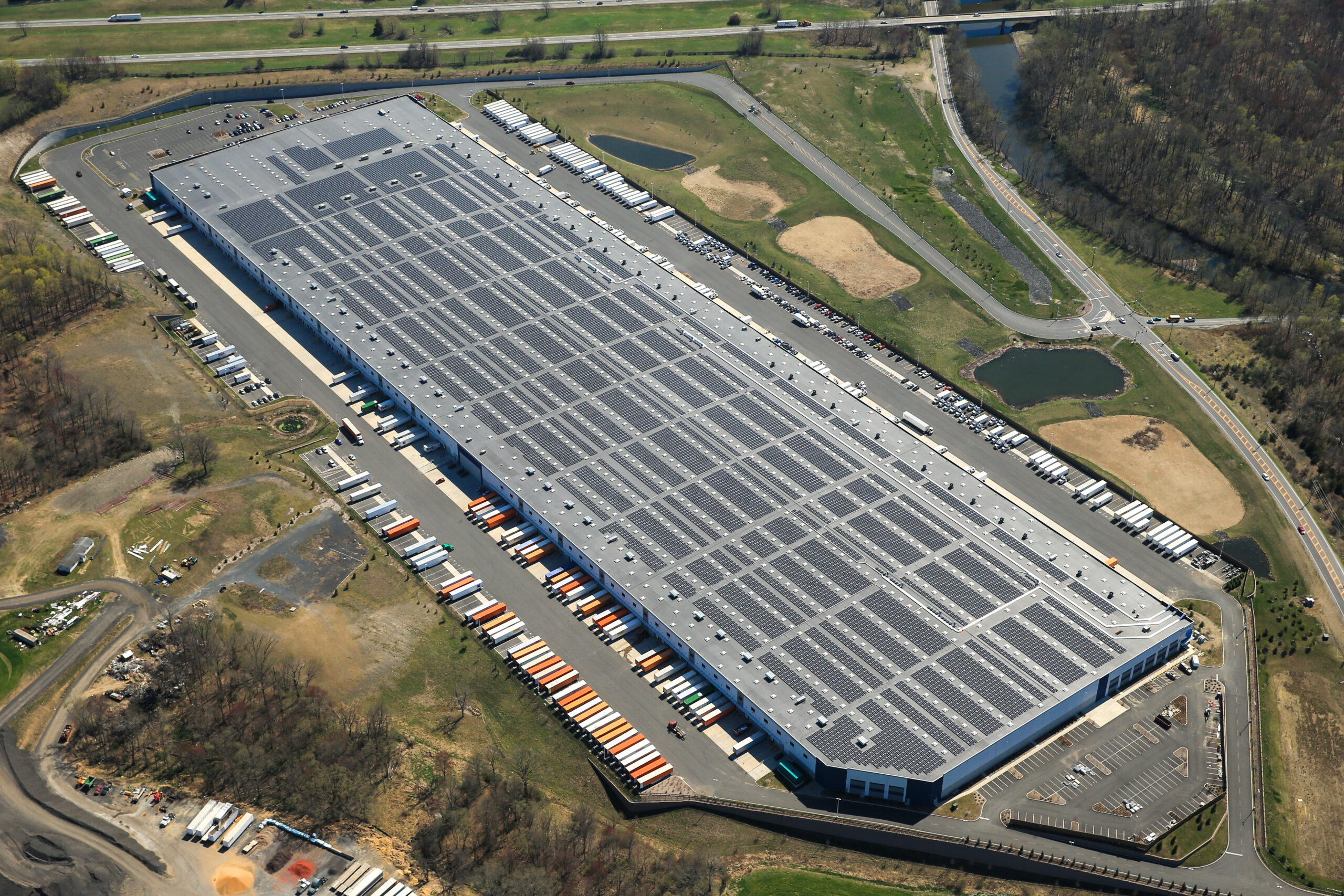
Reaching 8 GW of distributed solar capacity puts New York ahead of its own 2030 target and ahead of most U.S. states. The figure is more than a headline‑grabbing milestone; it signals a rapid shift in how electricity is generated, delivered, and paid for across the Empire State. If the growth trajectory holds, the state could rewrite the economics of its grid, but the announcement also sidesteps the fragile financing and regulatory scaffolding that keep the expansion moving.
Deep Dive
According to CleanTechnica, New York’s distributed solar market—rooftops, small‑scale farms and community projects—now totals 8 GW of installed capacity. Independent outlets such as IndexBox and EIN News have corroborated the 8 GW figure, confirming that the state has indeed overtaken its 2024 level of 6 GW and the 1.28 GW added in 2025, as reported by the primary source.
The same article notes that more than 276,000 projects are in operation, generating enough electricity for over 1.3 million homes and businesses. While the number of projects illustrates the breadth of deployment, the real grid impact appears in the timing of generation. On June 3, solar supplied 29 % of the state’s electricity demand during the noon hour—a record, according to the source. That daytime contribution helped shave an estimated $90 million off the state’s electricity costs last summer by lowering peak‑load demand on conventional generators.
From a policy perspective, the state’s flagship NY‑Sun program is slated to receive an additional $200 million in the 2027 budget, earmarked for expanding solar access and affordability. The program also includes the “Solar For All” initiative, which promises free bill savings for low‑income households via community‑solar discount sharing.
Behind these numbers lies a heavy reliance on private capital. The article claims $12.2 billion in private investment has flowed into the distributed solar sector, creating more than 16,000 jobs. This private‑funded model has enabled rapid scaling, but it also means that the sector’s health is tied to the availability of cheap financing, tax credits, and state incentives. A tightening of credit markets or a rollback of subsidies could stall the pipeline, especially for community‑solar projects that depend on aggregated financing.
Grid reliability is another focal point. As Rory Christian, chair and CEO of New York’s Public Service Commission, put it:
"Solar is reducing the strain on our electric grid, while providing significant reliability benefits especially during periods of peak demand. The milestone we are celebrating today is a win for affordability and clean energy for all New Yorkers."
His comment underscores that distributed solar is not just an environmental add‑on; it is becoming a core reliability resource that offsets the need for costly peaker plants. However, the rapid influx of intermittent generation also forces the grid operator to upgrade interconnection standards, invest in storage, and enhance forecasting tools—areas that the announcement does not quantify.
Audit & Contradictions
The headline figure of 8 GW is the only claim verified by multiple outlets. All other quantitative statements—such as the state’s 10 GW target by 2030, the 6 GW baseline in 2024, the $12.2 billion private investment, the 16,000‑plus jobs, the 276,000 project count, the $90 million summer savings, the 29 % noon‑hour share, the $200 million NY‑Sun allocation, and the 35 % national community‑solar share—appear solely in the CleanTechnica piece. According to the fact‑check audit, these are single‑source claims and should be treated as the company’s or the agency’s own reporting rather than independently verified facts.
The audit notes no contradictions between sources, and the overall contradiction level is low. Nonetheless, the lack of external corroboration for the economic impact figures leaves open questions about their methodology and whether they capture the full cost‑benefit picture, especially when private investment figures can be inflated by counting total project capital rather than net new money.
Future Outlook
If New York maintains its pace, the state could reach the 10 GW distributed solar goal well before 2030, setting a benchmark for other jurisdictions. Competitors such as California and Texas will likely watch New York’s policy tweaks—particularly the expansion of the Solar For All program and the $200 million NY‑Sun boost—to gauge the effectiveness of targeted subsidies.
Regulators may be forced to address two emerging challenges. First, the need for more robust interconnection procedures to prevent bottlenecks as rooftop and community projects surge. Second, the financing pipeline’s sensitivity to federal tax credit extensions; a lapse could curtail the private‑investment momentum highlighted in the source.
For investors, the data suggests that distributed solar continues to attract sizable private capital, but the sector’s risk profile is increasingly linked to policy stability. Companies that can lock in long‑term power purchase agreements or partner with utilities on hybrid storage‑solar offerings may better weather any policy shifts.
In sum, New York’s 8 GW milestone is a tangible sign that distributed solar can reshape a state’s energy landscape, delivering grid reliability and cost savings. Yet the announcement’s silence on financing fragility, interconnection constraints, and the verification of economic claims points to a need for deeper scrutiny as the market matures.