Lead Hook
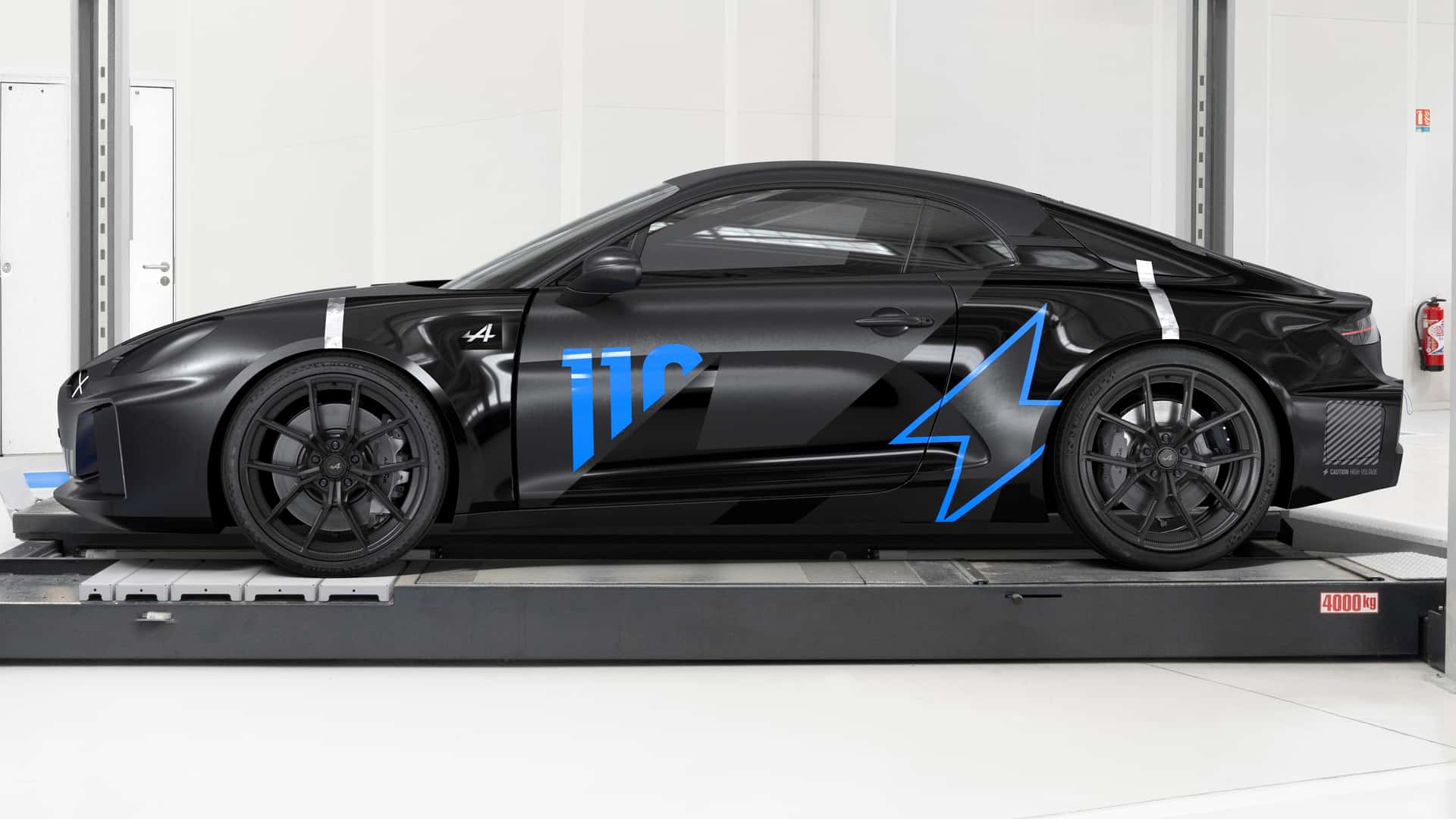
When Alpine rolls its A110 Future mule onto the 2026 Goodwood Festival of Speed, the headline will be the sleek electric silhouette. The deeper story, however, is the engineering gamble the French brand is making to keep an electric sports car light enough to handle like its gasoline‑powered predecessor. In an industry that has largely embraced the simple, floor‑mounted “skateboard” battery, Alpine is betting on a split‑pack, 800‑volt architecture to preserve a 40:60 rear‑biased weight distribution—a move that could reshape how performance EVs are built, but also raises questions about cost, serviceability, and scalability.
Deep Dive
According to InsideEVs, Alpine’s electric A110 will debut as a development mule called the “A110 Future” at Goodwood. The vehicle is built on an all‑new Alpine Performance Platform that runs at 800 volts and employs a split battery pack—one module up front and another behind the cabin. Alpine deliberately avoided the conventional skateboard layout because a floor‑mounted pack would raise the driving position and jeopardise the coveted 40:60 rear‑biased weight distribution typical of mid‑engine sports cars.
The split‑pack design is paired with a cell‑to‑pack construction, meaning individual cells are integrated directly into the pack rather than being grouped into larger modules. Alpine argues this approach trims bulk and weight, a critical factor for a car that aims to feel “a genuine EV sports car without compromise.”
"a genuine EV sports car without compromise." – Alpine
To further offset the added mass of batteries, Alpine is using aluminum for the suspension components and has introduced what the source describes as “new integrated braking and steering systems.” The dual‑motor rear e‑axle, equipped with a silicon‑carbide inverter, will allow torque vectoring across the rear axle. While power figures remain undisclosed, the two‑motor setup should give the A110 EV fine‑grained control over torque delivery, helping the car retain the playful oversteer characteristic of the combustion‑engine A110.
Weight is the linchpin of Alpine’s strategy. The original 1963 A110 weighed just 620 kg (1,370 lb), and the 2017 revival tipped the scales at 1,140 kg (2,513 lb). The source notes that the upcoming EV will not match those figures, but Alpine says keeping the car light was a primary project priority. By splitting the battery and using aluminum, the brand hopes to stay closer to the handling dynamics of the classic model while meeting modern performance expectations.
Beyond the mule, the source hints at a broader product roadmap: a roadster version of the A110 EV and a larger A310 2+2 coupe expected around 2028, potentially for the U.S. market. Both would share the same underlying architecture, suggesting Alpine intends to leverage the split‑battery platform across multiple body styles.
Audit & Contradictions
The core technical claims—Goodwood debut, 800‑V split‑battery architecture, and dual‑motor torque‑vectoring drivetrain—are corroborated by other outlets covering the same story. However, several details appear only in the primary source and should be treated with caution:
- The expected launch year of 2025 for the production A110 EV is mentioned solely by the source.
- The weight comparison to the 1963 and 2017 models, as well as the assertion that the EV will not match those low figures, is also single‑source.
- Plans for a roadster variant and an A310 2+2 coupe slated for around 2028, with possible U.S. availability, are not confirmed elsewhere.
Fact‑check data rates the overall contradiction level as low, meaning no direct conflicts have been identified between the source and independent reports.
Future Outlook
If Alpine can deliver a lightweight, rear‑biased EV sports car, it could force rivals such as Porsche, Audi, and Mercedes to reconsider the universal skateboard chassis for high‑performance models. Preserving traditional weight distribution may become a differentiator for brands that market driver engagement over outright efficiency.
Nevertheless, the split‑battery, cell‑to‑pack approach complicates manufacturing and after‑sales service. The source acknowledges that repairing a cell‑to‑pack pack is harder because modules cannot be swapped out individually. This could translate into higher warranty costs and longer repair times, potentially eroding the cost advantage of a lighter chassis.
Regulators are also watching the shift toward higher voltage systems. An 800‑V architecture promises faster charging and better efficiency, but it demands upgraded charging infrastructure and stricter safety standards. Alpine’s move may accelerate the rollout of 800‑V chargers, benefitting the broader EV ecosystem, yet it also places additional pressure on utilities and standards bodies.
Ultimately, Alpine’s gamble tests whether the market will reward a purist driving experience enough to offset the engineering and financial complexities of a non‑standard battery layout. Success could validate a niche path for EV sports cars that prioritize handling heritage, while failure might reinforce the industry’s gravitation toward the simplicity of skateboard platforms.