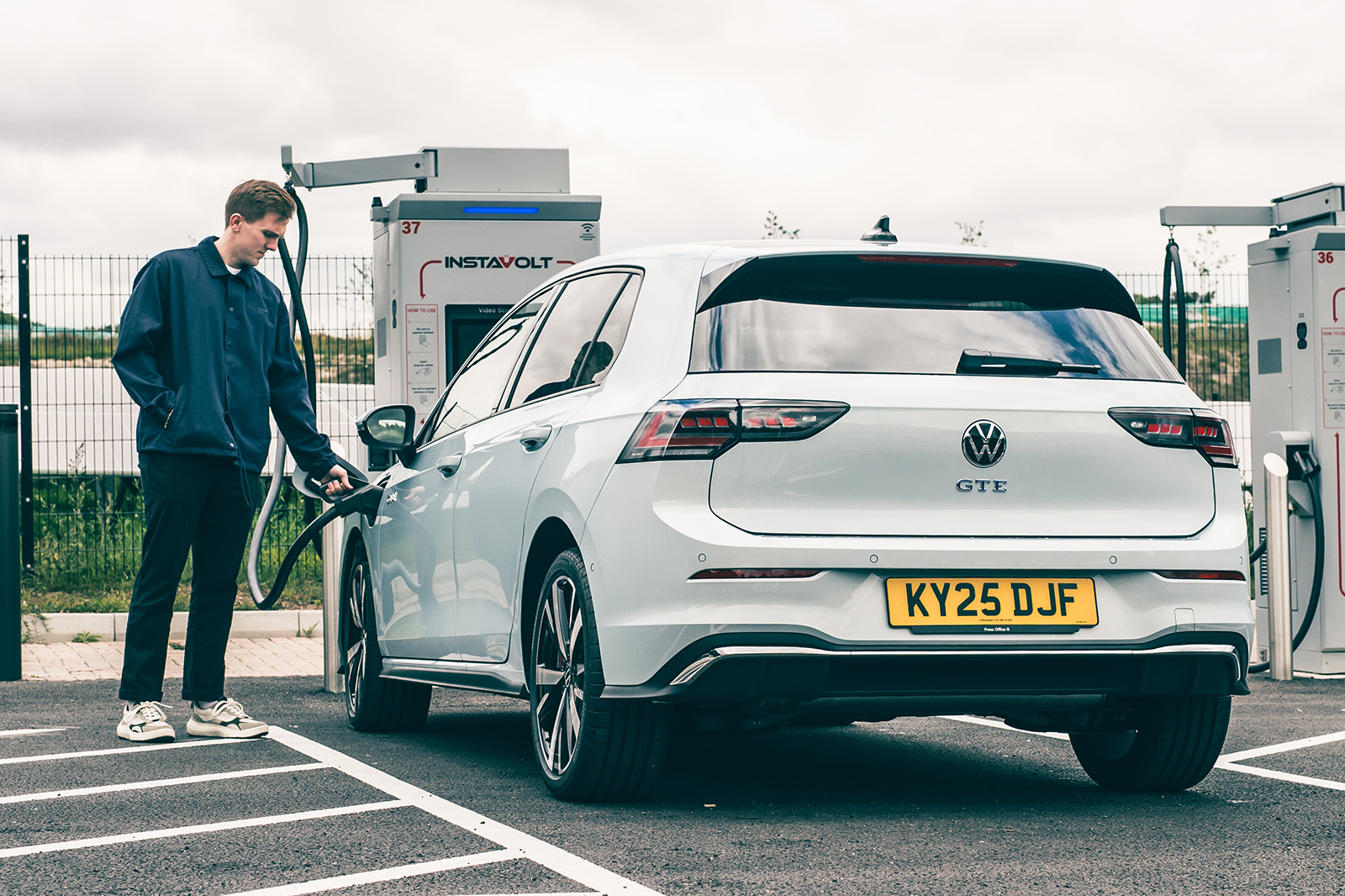
Lead Hook
Company‑car tax is a hidden lever the UK government uses to steer drivers toward low‑emission vehicles. On the surface, the numbers look like a win for motorists – EVs are taxed at just 4 % of their list price, and the benefit‑in‑kind (BiK) charge can be cut by up to 80 % compared with a conventional petrol car. But the same tax reform is also draining the Treasury’s coffers, raising questions about the long‑term sustainability of the policy as a climate tool.
Deep Dive
According to Autocar, 840,000 Britons paid company‑car tax in the 2023/24 fiscal year, generating a combined £3.27 billion for HM Revenue & Customs. That figure represents a sharp drop from the £4.62 billion collected in the previous cycle, even though the number of drivers rose by 120,000 after the tax system was overhauled in April 2020. The decline is directly linked to the aggressive incentives for plug‑in hybrid (PHEV) and electric vehicles (EVs).EVs now sit in the lowest BiK band – 4 % of the car’s list price – because they are rated at 0 g/km CO₂. By contrast, the most efficient petrol models still sit at 25 % of the list price, meaning an EV can shave roughly 80 % off a driver’s tax bill. The uptake data backs this up: the number of EV drivers grew from 52,000 (7 % of the total) in 2020/21 to 342,000 (41 % of all company cars) in 2023/24, according to the same source.
The policy’s design also rewards PHEVs with long electric ranges. A Skoda Superb SE Technology PHEV that can travel 70 miles on electric power falls into a 7 % BiK band, whereas the comparable diesel version is taxed at 32 % of its list price. For a 40 % income‑tax payer, the hybrid would cost £97 per month versus £407 for the diesel, a stark illustration of how the tax code can shift purchasing decisions.However, the incentives are set to soften. From April 2028, any PHEV emitting 50 g/km CO₂ or less will be grouped into a single 18 % tax band, regardless of electric range. This change would raise the monthly cost of the Skoda from £110 to £248, still well below the diesel’s £419, but it signals a gradual retreat from the steep discounts currently on offer.
Manufacturers and fleet operators are already adapting. The article notes that upgrading a Mercedes‑Benz E300de from AMG Line Premium to Premium Plus trims pushes the car from the 7 % to the 10 % BiK band, adding £2,817 in tax over three years. Because the list price rises while the electric range drops by a single mile, the tax impact is disproportionate.
Fleet managers, who wield considerable buying power, can mitigate these hidden costs by selecting fleet‑focused trims that embed discounts into the list price. As reported by Autocar and corroborated by Fleet News, “fleets cut company car option lists to reduce costs,” a tactic that limits the number of high‑BiK models available to employees and helps keep overall expenses down.
All of these mechanics converge on a single fiscal reality: the Treasury’s revenue from company‑car tax is eroding faster than the policy can be justified by its environmental benefits. While the government’s aim to phase out all but zero‑emission vehicles within a decade is clear, the shrinking tax base may force a recalibration of incentives, especially if the projected revenue shortfall begins to affect broader budgetary priorities.
Audit & Contradictions
The Autocar piece is the sole source for most of the quantitative claims in this story. As such, each figure is presented with hedging language – e.g., “According to Autocar, …” – to reflect its single‑source status. The fact‑check audit notes that the only claim with external verification is the observation that fleets can trim company‑car option lists to cut costs, which aligns with reporting from Fleet News. No contradictions were identified; the audit rates the overall contradiction level as low.
Future Outlook
If the Treasury continues to lose £1.35 billion in company‑car tax revenue, policymakers may be compelled to raise BiK rates for EVs sooner than the current schedule suggests. A higher tax burden could dampen the rapid adoption curve that has seen EV drivers rise to 41 % of the market in just three years. For manufacturers, the shifting tax landscape will influence model‑line strategies: we can expect more fleet‑specific trims, tighter control over optional equipment, and possibly a resurgence of diesel‑oriented offerings if the tax gap narrows.
Regulators will also watch the revenue impact closely. The UK’s broader climate agenda relies on fiscal tools to drive behavioural change, and a diminishing tax windfall may limit the government’s ability to fund complementary measures such as charging infrastructure or subsidies for low‑income buyers.
Finally, the impending 2028 PHEV tax band consolidation could create a short‑term surge in demand for the remaining low‑tax hybrids, as fleet operators rush to lock in the current rates before they rise. This window may present an opportunity for manufacturers to clear inventory of higher‑BiK models while reshaping their product portfolios to align with the evolving policy framework.
In short, the company‑car tax reform that initially seemed like a win‑win for drivers and the environment is also a fiscal lever that the Treasury must balance against a shrinking revenue stream. How that balance is struck will shape the next decade of UK motoring, from the showroom floor to the policy papers that govern it.