Lead Hook
When Rivian launched the R2, its 330‑mile EPA combined‑cycle estimate was the headline that promised to put the California startup on equal footing with the market’s best‑selling electric SUVs. Yet a real‑world 70‑mph highway test in the Colorado Rockies delivered only 259.4 miles, roughly 6 % below that EPA figure. The shortfall matters far beyond a single road‑trip figure: it touches on how Rivian’s engineering choices, battery sizing, and capital allocation may affect consumer trust and the company’s path to profitability.
Deep Dive
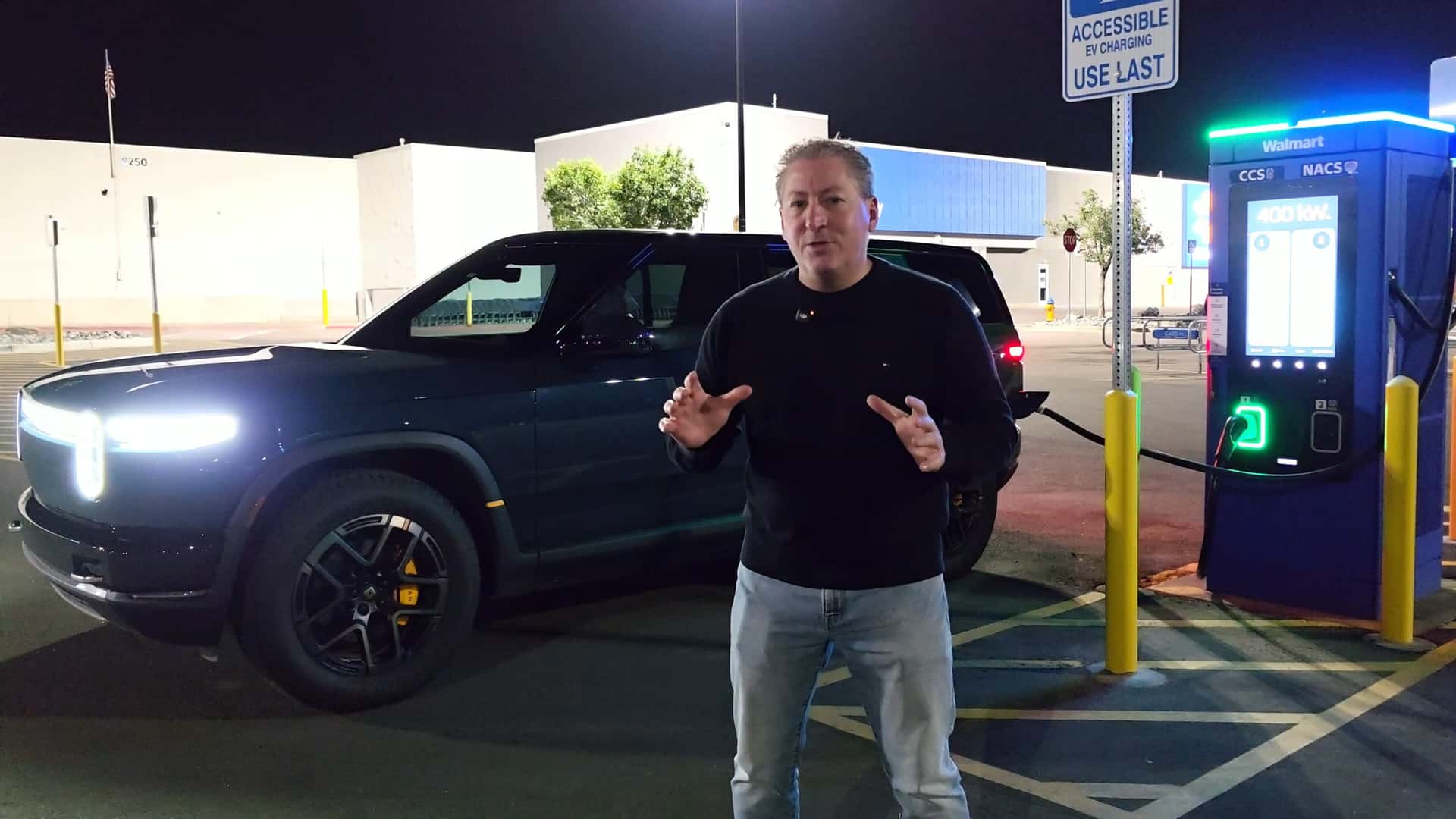
According to InsideEVs, Tom Moloughney took a customer‑spec R2 Performance Launch Edition to a twisty mountain highway, kept a constant 70 mph, and started from a full charge obtained at a Walmart DC fast charger. The vehicle’s 87.9‑kilowatt‑hour (kWh) battery pack is officially rated for up to 330 miles of combined‑cycle range when equipped with all‑season tires, 307 miles with all‑terrain (AT) tires, and 276 miles on highway‑only driving with AT tires. Those numbers are based on EPA testing protocols that assume relatively flat terrain and a steady‑state speed.
The Colorado route introduced an elevation change of about 1,800 feet—far more than the 300‑foot change typical of the New Jersey Turnpike, where the same tester usually runs his 70‑mph range checks. The added climb and the “stubby” AT tires created a harsher energy‑consumption environment. Over the course of the test, the R2 used 88 kWh of energy to travel 259.4 miles, achieving an average efficiency of 2.97 miles per kWh. That efficiency translates to a 6 % shortfall relative to the EPA highway estimate for this configuration.
Mid‑test data, reported only by the InsideEVs story, shows that at 50 % state of charge the vehicle had covered 130 miles, with an instantaneous efficiency of 2.79 mi/kWh and a consumption of 47 kWh. While the single‑source nature of these figures warrants caution, they illustrate how quickly efficiency can dip under load‑heavy conditions such as steep grades and higher rolling‑resistance tires.
From a performance standpoint, the R2 does not disappoint. The model year 2027 R2 Performance is equipped with a pair of electric motors—one per axle—delivering a combined 656 horsepower and 609 lb‑ft of torque, propelling the midsize SUV from 0–60 mph in 3.6 seconds. The powertrain’s capability, however, comes with a trade‑off: the high‑output motors draw heavily on the battery, especially at highway speeds, which can erode the usable range when the vehicle is tasked with climbing or when equipped with higher‑drag AT tires.
Pricing adds another layer to the equation. The Performance Launch Edition currently sells for $59,485. Rivian has signaled that a lower‑cost R2 Standard rear‑wheel‑drive model will arrive in late 2027 with a starting price of $46,495 and an estimated 275‑mile range on a full charge. If the real‑world efficiency of the Performance variant is any indication, the entry‑level model—likely to carry a smaller battery—could see an even larger gap between EPA‑quoted range and what drivers achieve on varied terrain.
These numbers matter to investors because the R2 is positioned as Rivian’s make‑or‑break product. The company’s capital efficiency hinges on delivering on its range promises; deviations can force costly software updates, hardware revisions, or marketing spend to manage consumer expectations. Moreover, the EV market’s regulatory environment increasingly scrutinizes EPA estimates, especially as federal incentives tie eligibility to range thresholds. A systematic shortfall could trigger compliance reviews or affect future incentive eligibility.
Audit & Contradictions
The InsideEVs article provides a transparent accounting of the test methodology and results, but it does not disclose any comparative data from other manufacturers under identical conditions. Independent outlets such as EVChargingStations.com and CleanTechnica have reproduced the headline figures—259.4 mi total, 88 kWh consumption, and a 6 % EPA shortfall—confirming the core claim. However, the mid‑test 50 % state‑of‑charge statistics (130 mi traveled, 2.79 mi/kWh efficiency, 47 kWh used) appear only in the InsideEVs story, making them single‑source claims that should be treated with caution.
The fact‑check audit notes a “Low” contradiction level, meaning no direct disputes have emerged across sources. Nonetheless, the article does not address how the R2 would perform on a truly flat highway, nor does it quantify the impact of tire choice on efficiency beyond the EPA‑provided estimates. Those omissions leave readers without a full picture of the vehicle’s best‑case range potential.
Future Outlook
Rivian’s next steps will likely focus on refining the R2’s energy‑management software to mitigate the efficiency loss seen on elevation‑heavy routes. Competitors such as Tesla and Ford have already demonstrated tighter alignment between EPA numbers and real‑world tests, putting pressure on Rivian to close the gap.
Regulators may also take note. If a pattern emerges where EPA‑rated ranges consistently overshoot real‑world performance across multiple models, the EPA could tighten testing protocols or demand more granular disclosure of range under varying conditions. For Rivian, proactive communication—perhaps publishing a range‑adjustment factor for AT tires or mountainous terrain—could preserve consumer confidence.
From a market perspective, the R2’s pricing strategy hinges on delivering the promised 275‑plus miles for the upcoming entry‑level version. Should real‑world testing reveal a similar 5‑10 % shortfall, the lower‑priced model may still meet the expectations of cost‑sensitive buyers, but it could also intensify competition with other midsize EVs that already boast higher verified highway ranges.
In sum, the Colorado highway test underscores a critical reality: the R2’s impressive performance and ambitious EPA numbers are not immune to the physics of elevation, tire choice, and high‑speed cruising. How Rivian addresses this disconnect will shape not only its brand reputation but also its ability to secure the capital needed to scale production and compete in an increasingly crowded EV market.