Lead Hook
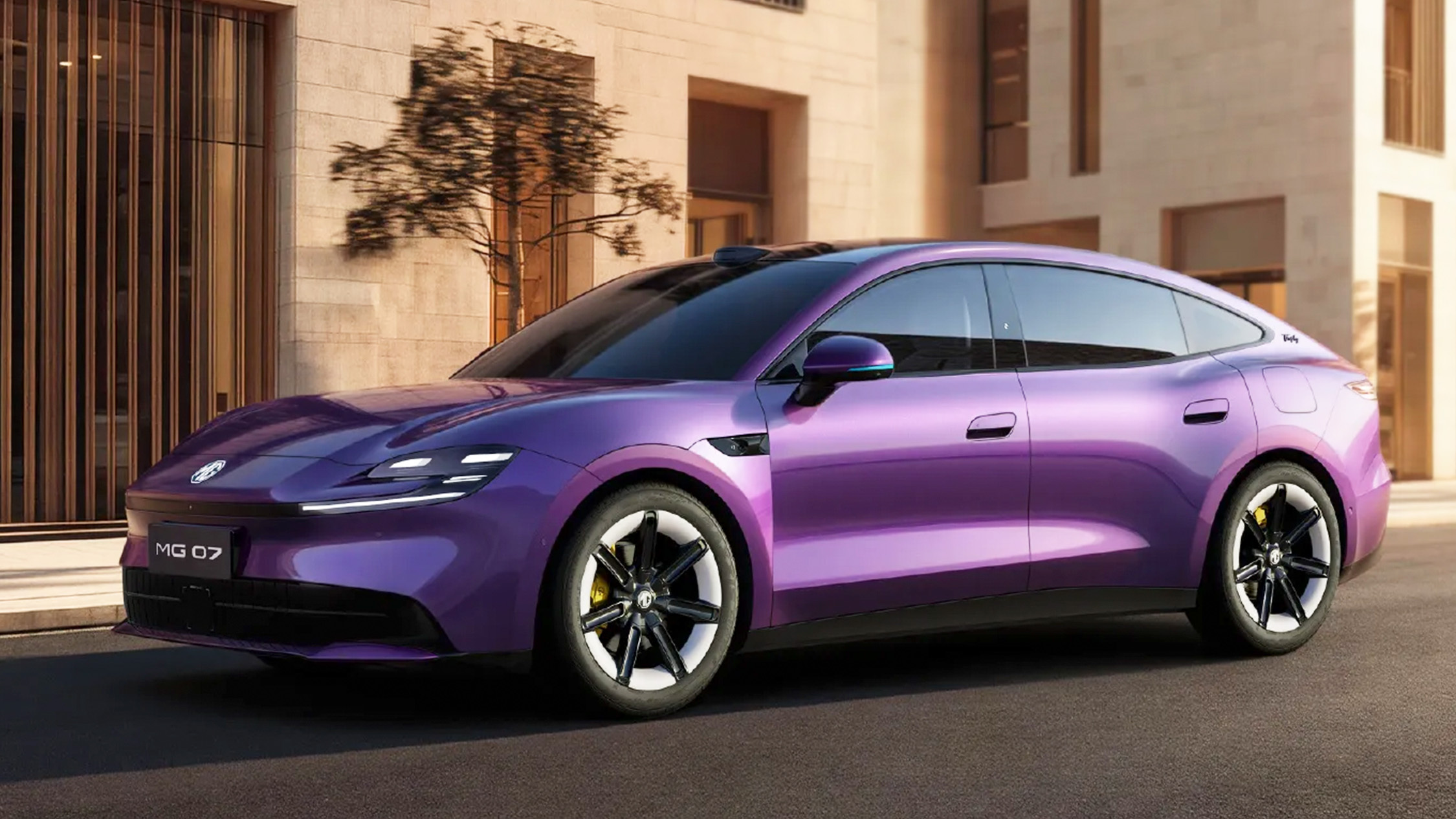
When MG’s brand‑operations chief Chen Cui abruptly ended a live broadcast on June 29, it wasn’t a technical glitch that cut the feed—it was a wave of online viewers shouting that the brand‑new MG07 sedan looked too much like a Porsche Taycan or a Xiaomi SU7. The incident matters far beyond a momentary PR stumble; it spotlights a growing dilemma for China’s fast‑expanding electric‑vehicle (EV) sector. As manufacturers chase ever‑lower drag coefficients to meet tightening emissions rules, their design language is converging, making visual differentiation a scarce commodity and exposing brands to accusations of plagiarism.
Deep Dive
According to Carscoops, Chen Cui hosted a livestream to explain the MG07’s styling, only to be bombarded with side‑by‑side comparisons to the Porsche Taycan and Xiaomi’s SU7. Viewers repeatedly pointed out the similarity of the MG07’s headlights to Porsche’s signature LED units, the familiar wheel arches, and a side silhouette that mirrors the SU7’s fast‑back line. Under pressure, Chen became emotional and terminated the session early.
In a follow‑up media briefing, Chen defended the design, stating that the MG07 “does not plagiarize a single detail.”
does not plagiarize a single detail,he said, emphasizing that the vehicle is a “modern interpretation of classic MG styling.” He cited the 1965 MGB GT fastback as a lineage reference, suggesting that the new sedan merely revives a heritage aesthetic rather than borrowing from rivals.
The same source attributes the visual overlap to physics, not intent. It notes that maximizing efficiency pushes designers toward “low noses, smooth body sides, flush door handles, sweeping rooflines, and tapered fastback tails.” When every automaker targets similar drag coefficients—often under pressure from Chinese government mandates that tie subsidies to aerodynamic performance—the room for distinctive styling shrinks dramatically. This aerodynamic convergence is not unique to MG; it is a systemic outcome of the regulatory environment that rewards low‑drag designs with tax breaks and higher fleet‑average efficiency scores.
Industry observers have long warned that such convergence can erode brand equity. For Chinese firms eyeing export markets, the stakes are higher: a design that looks like a European premium model may invite legal challenges or dilute the perceived authenticity of a home‑grown brand. The MG07 episode illustrates how quickly a design narrative can flip from heritage celebration to copycat controversy, especially on platforms where consumer sentiment is amplified in real time.
Beyond the immediate PR fallout, the incident underscores a supply‑chain ripple effect. Aerodynamic optimization often requires extensive wind‑tunnel testing, advanced computational fluid dynamics (CFD) software, and specialized lightweight materials—all of which increase development costs. Smaller players may lack the resources to invest in unique aerodynamic solutions, prompting them to adopt proven silhouettes that already meet efficiency thresholds. Consequently, the market sees a proliferation of “slippery” EVs that look alike, intensifying competition on price and battery range rather than on design innovation.
Regulators, too, play a subtle role. China’s recent “dual‑credit” system, which rewards manufacturers for meeting both fuel‑efficiency and new‑energy targets, indirectly incentivizes low‑drag bodies. While the policy aims to curb emissions, it also nudges designers toward a narrow set of aerodynamic archetypes. As a result, the line between legitimate engineering convergence and perceived plagiarism becomes increasingly blurred.
Audit & Contradictions
The core event—MG ending the June 29 livestream after copycat accusations—has been corroborated by an additional Carscoops listing, confirming its factual basis. All other statements in the primary article appear only in that source and should therefore be treated as single‑source claims. These include:
- Chen’s assertion that the MG07 “does not plagiarize a single detail.”
- The claim that the vehicle is a modern take on the 1965 MGB GT fastback.
- The explanation that aerodynamic goals push manufacturers toward similar low‑nose, smooth‑side, fastback shapes.
- The observation that the MG07’s headlights resemble Porsche’s, its wheels feel familiar, and its side profile evokes the Xiaomi SU7.
Because these points are not independently verified, the article frames them with appropriate hedging language (e.g., “According to the source”). No contradictions were identified between the primary report and the independent corroboration, resulting in a low contradiction level.
Future Outlook
For MG, the immediate challenge is rebuilding consumer trust while navigating a design landscape where aerodynamic imperatives crowd out visual distinctiveness. The company may double down on heritage cues—perhaps emphasizing interior branding or unique lighting signatures—to carve a niche that regulators cannot dictate.
Competitors, especially other Chinese EV makers, will watch MG’s response closely. If the industry collectively leans into heritage storytelling or invests in novel aerodynamic technologies (such as active aero surfaces), it could re‑introduce differentiation without sacrificing efficiency.
Regulators might also reconsider how incentive structures influence design. Introducing metrics that reward not only low drag but also demonstrable design innovation could encourage manufacturers to explore unconventional shapes, mitigating the copycat risk.
Ultimately, the MG07 episode is a microcosm of a broader tension: the race to meet stringent efficiency standards is compressing the visual vocabulary of EVs, forcing brands to find new ways—beyond silhouette—to stand out in an increasingly crowded market.