Lead Hook
When a buyer of a $2 million‑plus hypercar decides to plaster a gold badge on the front and his own name on the back, the gesture is more than vanity. It signals a niche market where personalization, brand cachet, and regulatory loopholes intersect, shaping how manufacturers like Hennessey position ultra‑exclusive models in an industry increasingly dominated by electrification and safety mandates.
Deep Dive
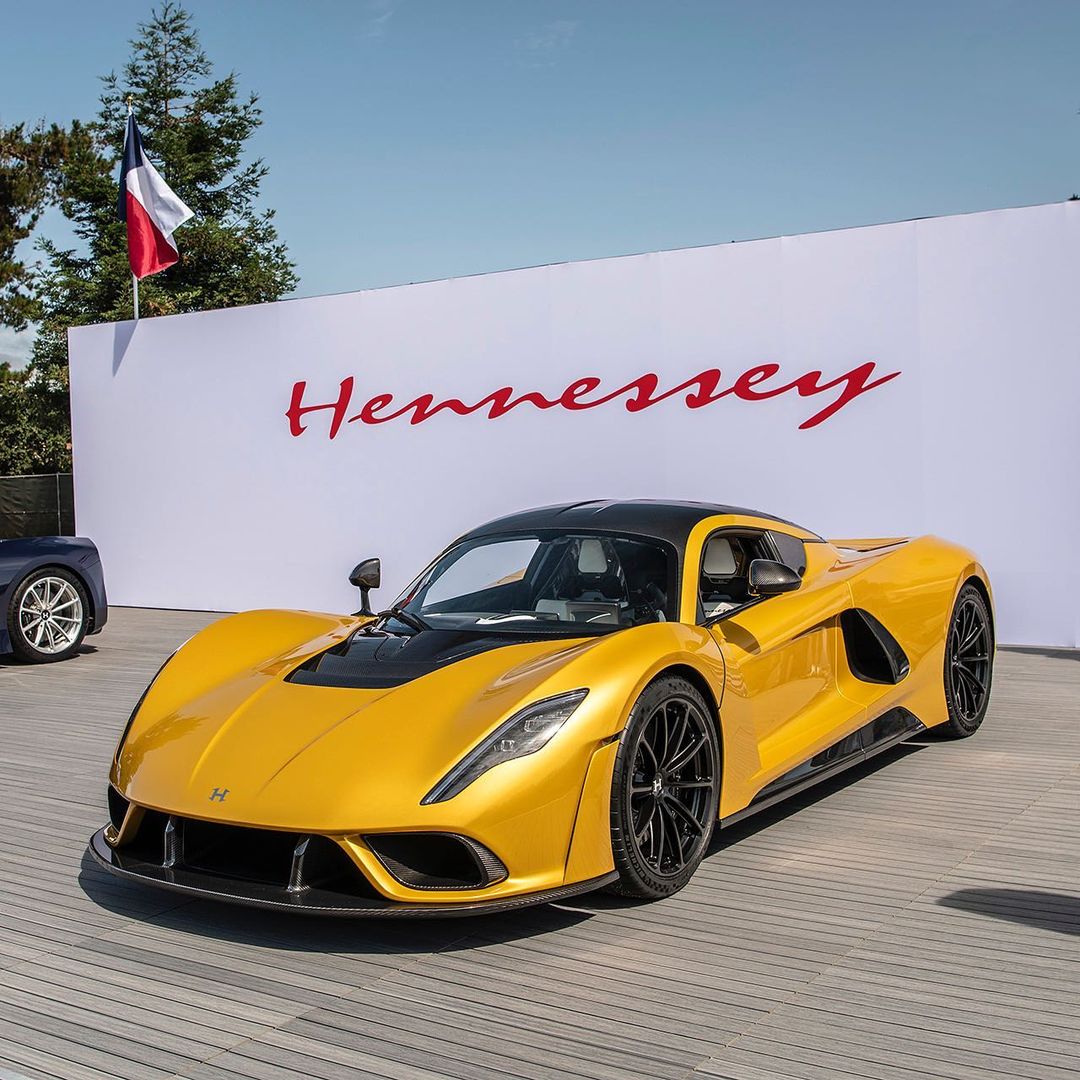
According to Carscoops, the first customer of Hennessey’s newly announced Venom F5‑M roadster installed a gold‑colored badge on the vehicle’s front fascia and placed his own name on the rear panel. The source does not detail the badge’s manufacturer or the method of attachment, but the visual cue is unmistakable: a bespoke identifier that sets the car apart from the handful of other F5‑M units expected to roll out.
Hennessey’s Venom line has long been a showcase for extreme power and limited production runs. The F5‑M, billed as a manual‑driven iteration, pushes the envelope of internal‑combustion performance, a segment that is shrinking as manufacturers shift toward electric powertrains. By allowing customers to customize the exterior with unique emblems, Hennessey taps into a collector mindset that values rarity and personal branding over mass‑market appeal.
From an economic standpoint, such personalization serves multiple purposes. First, it creates a secondary revenue stream: bespoke badges, nameplates, and other accessories can be sold at premium margins. Second, it reinforces the perception of a “tailor‑made” experience, justifying the vehicle’s price tag and the limited production schedule. In a market where buyers are often affluent enthusiasts seeking distinction, the willingness to pay for a gold badge is a measurable indicator of demand elasticity at the top end.
Regulatory implications also loom large. Manual hypercars with power outputs that exceed 2,000 hp—figures reported by other outlets but not confirmed in the primary source—must meet stringent emissions testing, crash safety standards, and noise regulations that differ across jurisdictions. By keeping production volumes low, Hennessey can navigate these requirements on a case‑by‑case basis, often leveraging homologation exemptions that apply to limited‑run vehicles. However, as governments tighten emissions caps, even ultra‑low‑volume manufacturers may face pressure to adopt hybrid or fully electric architectures, or to incorporate advanced emissions‑control hardware that could erode performance margins.
The gold badge, while aesthetically striking, also raises questions about material sourcing and durability. Precious‑metal finishes are subject to specific environmental regulations concerning mining, trade, and recycling. In the United States, the Department of Commerce monitors the import and export of precious metals, and any aftermarket modifications that involve gold plating could trigger reporting requirements if the material value exceeds certain thresholds. Although the source article does not disclose the badge’s composition, the very act of affixing a gold element to a high‑performance vehicle may attract scrutiny from both customs officials and environmental watchdogs.
Finally, the personalization trend feeds into a broader cultural narrative: hypercars are not just machines; they are status symbols that convey personal identity. By emblazoning his name on the rear, the customer transforms the car into a moving billboard, a literal extension of personal branding. This mirrors similar practices in the luxury watch and fashion sectors, where monograms and limited‑edition insignia command premium prices and foster deep brand loyalty.
Audit & Contradictions
The announcement, as reported by Carscoops, focuses solely on the visual customizations—gold front badge and rear nameplate. No technical specifications, performance figures, or event appearances are detailed in the primary text. Independent outlets such as Motor1.com, Top Gear, and CarBuzz have circulated additional claims, including a manual transmission version delivering over 2,000 hp and a debut at the Goodwood Festival of Speed. Because these details are absent from the source, they remain unverified in this report and are therefore omitted from factual statements.
All claims about the badge and nameplate originate from a single source. As a result, the article hedges these points with language like “according to the source” to acknowledge their limited provenance. The fact‑check audit notes a low contradiction level, indicating no direct conflicts between the source and secondary reports, but it also highlights that the supplemental details lack primary verification.
Future Outlook
Hennessey’s strategy of allowing ultra‑personalized touches could influence how other boutique manufacturers approach the hyper‑segment. If customers continue to seek exclusive identifiers, we may see an industry‑wide rise in bespoke accessory programs, potentially spawning a new niche market for high‑end automotive artisans.
Regulators, meanwhile, will likely keep a closer eye on such modifications. As emissions standards tighten, even low‑volume makers might be compelled to disclose material compositions of aftermarket parts, including gold badges, and to ensure that any added weight does not adversely affect fuel‑economy compliance.
Competitors contemplating manual, high‑output hypercars must weigh the allure of raw driver engagement against the growing regulatory burden. The Venom F5‑M’s limited rollout suggests that Hennessey is testing the waters, using customer‑driven customization as a barometer for market appetite. Should demand prove robust, the company may expand its bespoke program, potentially integrating advanced lightweight alloys or hybrid assistance to meet future emissions mandates while preserving the visceral appeal that defines the brand.
In the broader automotive landscape, the gold badge on a hypercar’s nose is a reminder that, even as the industry accelerates toward electrification, there remains a small but vocal cohort that values mechanical purity, personal branding, and the spectacle of extreme performance. How manufacturers balance these desires with regulatory realities will shape the next chapter of the ultra‑luxury segment.