Lead Hook
When a luxury electric SUV’s seat can trap a child, the story is about more than a single safety defect. It shines a light on how quickly automakers are pushing new EV models to market, and whether their supply chains and engineering validation processes can keep pace. General Motors’ recall of the Cadillac Vistiq—an EV that debuted only months ago—highlights a tension between aggressive product rollout and the rigorous testing required for novel interior mechanisms. The stakes are high: a brand known for premium comfort now faces a safety controversy that could ripple through its broader electrification strategy.
Deep Dive
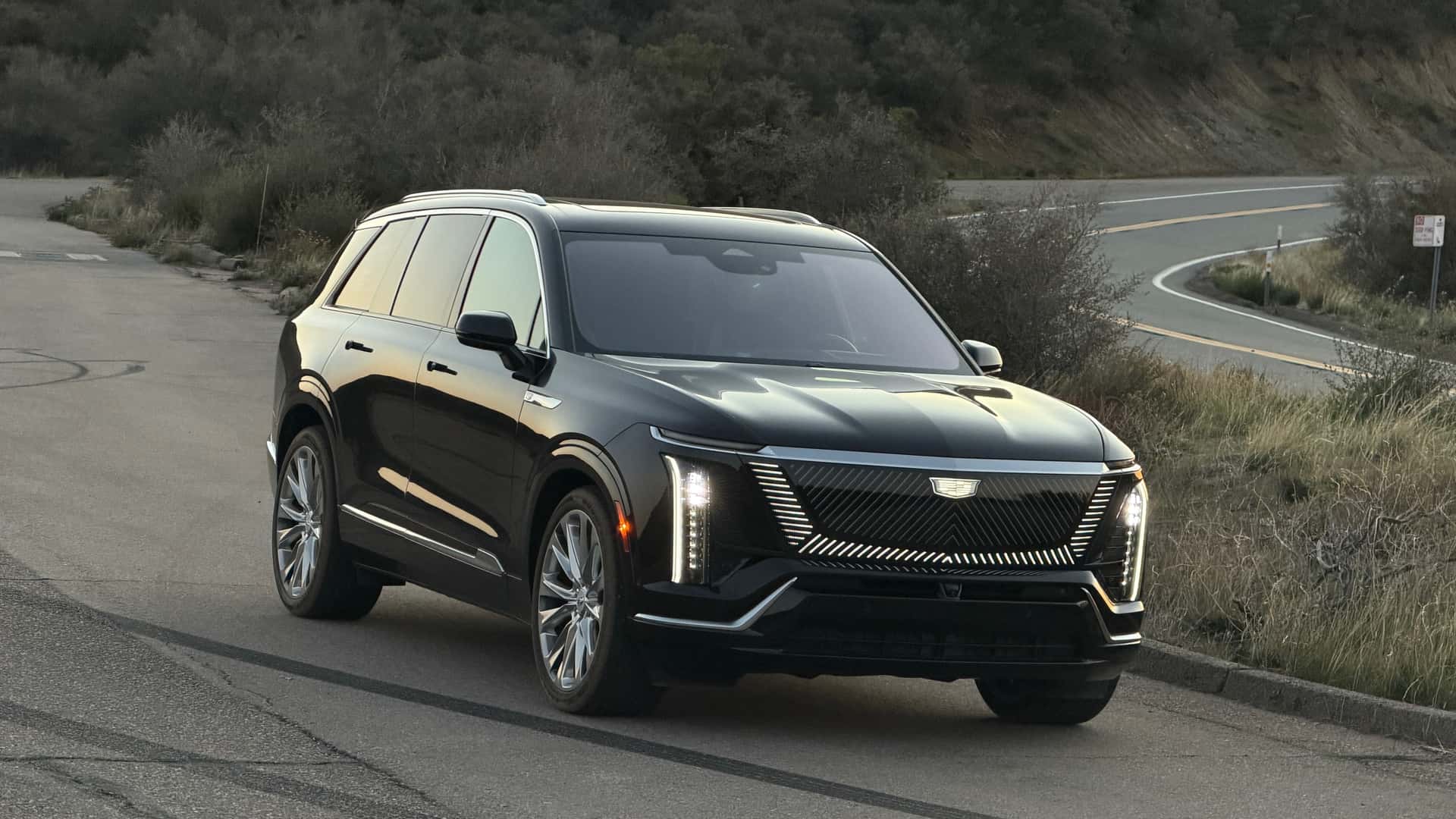
According to InsideEVs, GM halted shipments of the 2027 Vistiq on June 8, just before launching a recall that covers 14,540 vehicles from the 2026 and 2027 model years. The bulk of the affected inventory—13,629 units—are 2026 models, indicating that the issue was identified after the first production run had already left the factory. The recall centers on the third‑row power‑folding seatback, a feature marketed as a “touch‑of‑a‑button” convenience. During internal testing, GM discovered that the seatback would stop folding when it sensed an obstacle, rather than automatically returning to the upright position. The test used a 33‑ to 40‑pound box placed on the seat; the mechanism halted mid‑fold, leaving the seat stuck and making the box impossible to remove without manually reversing the fold. While a box does not feel pain, the same behavior could trap a child between the seat base and the backrest. GM reports six incidents or complaints that may be linked to this behavior, in addition to the in‑house test that triggered the recall. To remedy the problem, the automaker plans to replace the third‑row seat module with an upgraded version that will automatically reset the seatback when it encounters a load strong enough to stop the folding motion. However, the replacement part is not yet available, so dealers are instructed to disable the power‑folding function on affected vehicles until the new module arrives. Inventory vehicles that have not yet been delivered already have the feature disabled, according to the recall documentation. Independent coverage from Yahoo Autos corroborates the core fact that roughly 14,000 Vistiq EVs are being recalled because the third‑row seats could trap children. The independent source does not provide the precise recall count, model‑year split, or the technical details of the box test, which remain exclusive to the InsideEVs report. The recall’s timing is notable. GM’s decision to stop shipping the 2027 Vistiq just days before announcing the recall suggests that the company may have identified the safety issue late in the production cycle, prompting an immediate freeze on new deliveries. This pause, combined with the unavailability of the replacement module, creates a supply‑chain bottleneck: a specialized interior component that cannot be sourced or fabricated quickly enough to meet the recall’s remediation schedule. From an engineering perspective, the incident underscores the challenges of integrating power‑folding mechanisms—traditionally found in gasoline‑powered luxury SUVs—into an electric platform where weight distribution, battery placement, and software control loops differ. The need to test seat behavior with realistic loads (a 33‑ to 40‑pound object) points to a gap in early validation that may have been overlooked in the rush to market. Financially, the recall could dent the Vistiq’s launch momentum. Dealers must schedule service appointments to disable the feature, and owners will be left without a convenience that helped justify the vehicle’s premium price point. Until the new module arrives, the affected SUVs will operate with a permanently disabled third‑row power‑fold, potentially reducing their appeal to families—the very demographic the Vistiq aims to attract.
Audit & Contradictions
The recall announcement, as presented by GM, leaves several details unaddressed. First, the exact number of vehicles—14,540—along with the breakdown of 13,629 2026‑model units, comes solely from the InsideEVs article and is therefore a single‑source claim that should be treated as GM’s internal reporting. Second, the description of the box‑weight test (33‑ to 40‑pound load) and the six reported incidents are also reported only by InsideEVs, meaning they lack external verification at this time. Third, the statement that the replacement third‑row seat module is not yet available and that dealers will disable the power‑folding feature until it arrives is another single‑source detail. While the recall documentation confirms the temporary disabling of the feature, the unavailability of the part is not corroborated by any other outlet. Finally, the halt of 2027 Vistiq shipments on June 8 is a fact reported only in the InsideEVs piece. No contradictory reporting has emerged, and the fact‑check audit notes a low level of contradiction overall. In sum, the only element with independent corroboration is the broad recall of roughly 14,000 Vistiq EVs due to a child‑trapping risk. All other specifics remain single‑source and should be presented with appropriate hedging language such as “according to InsideEVs.”
Future Outlook
For competitors, the Vistiq recall serves as a cautionary tale. Other manufacturers introducing power‑folding seats—especially in electric models—may need to revisit their validation protocols and ensure that component suppliers can meet rapid‑response demands. Regulators, too, may scrutinize the timing of recalls relative to shipment halts, potentially prompting more stringent reporting requirements for safety‑critical interior features. Within GM, the incident could influence the rollout schedule for upcoming EVs that rely on similar interior mechanisms. If the replacement module faces production delays, the company might prioritize redesigns that eliminate the need for power‑folding seats altogether, or it may invest in more robust supply‑chain buffers for specialized parts. From a market perspective, consumer confidence in the Cadillac brand could be tested. Families hesitant to adopt a new EV may view the recall as a red flag, especially if the temporary loss of the power‑folding feature diminishes the vehicle’s practicality. GM’s handling of the remediation—offering free replacement parts and dealer‑level disabling—will be critical in shaping public perception. Overall, the Vistiq recall underscores a broader industry challenge: delivering cutting‑edge convenience features in EVs without sacrificing safety or over‑extending supply chains. As the EV market accelerates, manufacturers will need to balance speed with thorough engineering validation, lest future recalls erode the very momentum they seek to build.