Lead Hook
General Motors may still wear the crown as America’s biggest automaker, but the company’s electric‑vehicle (EV) momentum is evaporating faster than gasoline prices are rising. A 32.6% drop in U.S. EV deliveries this year, coupled with double‑digit declines in several flagship models, signals that GM’s electric strategy is hanging on a policy crutch that just disappeared.
Deep Dive
According to Motor1, GM reported Q2 2026 sales of 714,896 vehicles – a 4.2% dip from the 746,588 units sold in the same quarter a year earlier. The first half of the year saw total deliveries of 1,341,325, down 6.8% from 1,439,951 in H1 2025. The headline numbers mask a deeper narrative: the EV segment, once a growth engine, is now a liability.
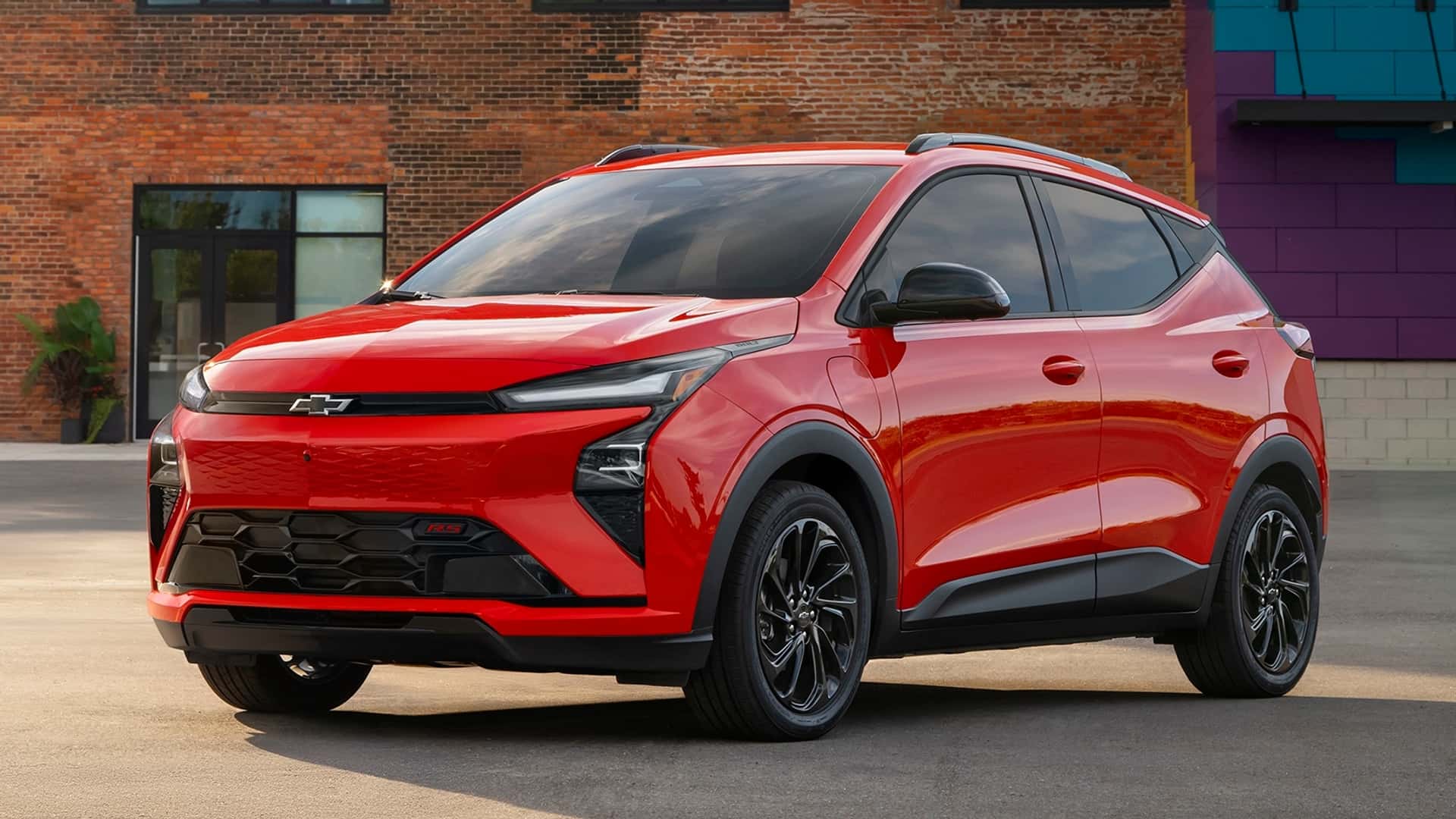
GM’s EV portfolio currently lists eleven models, including the discontinued BrightDrop line. The company says the expiration of the $7,500 federal tax credit triggered a “major contraction” in the EV market, especially for lower‑priced offerings. The data backs that claim. While four models – the Cadillac Optiq, Cadillac Vistiq, Chevrolet Bolt, and GMC Sierra EV – posted gains, the gains are largely statistical artifacts. The Bolt, for example, sold just 123 units in H1 2025; its 3,334.1% surge to 4,099 units in H1 2026 reflects a low baseline rather than a market breakthrough.
Conversely, the Chevrolet Blazer EV suffered the steepest decline, shedding 75.10% of its sales volume, dropping from 12,736 units in H1 2025 to 3,166 in the same period this year. The GMC Hummer EV (both pickup and SUV) fell 54.9%, from 7,987 units to 3,601. Even the BrightDrop delivery vans, which were already being phased out, saw a 39.9% reduction, delivering 956 units versus 1,592 a year earlier.
Overall, GM’s EV sales total 56,679 units in 2026 – a 32.6% decline (27,477 fewer units) from 2025, leaving the Detroit giant as the second‑largest EV seller in the United States, well behind Tesla. The contraction is not isolated to EVs; the company’s best‑selling truck, the Silverado, is down 4.6% at the start of the year, though the higher‑priced Sierra posted a modest 0.90% increase.
The underlying driver appears to be price elasticity. When the $7,500 credit was available, it closed the gap between gasoline‑powered trucks and entry‑level EVs. Without it, the Bolt’s starting price jumps into a range where consumers can more readily afford a conventional compact or a used EV, eroding demand. GM’s high‑margin, premium EVs – such as the Cadillac models – can tolerate the loss of the credit, but the bulk of the lineup relies on the incentive to stay price‑competitive.
From a capital‑allocation perspective, the slump raises questions about GM’s heavy investment in EV tooling, battery partnerships, and software development. The company has pledged billions toward an all‑electric future, yet the current sales trajectory suggests a mismatch between production capacity and market appetite. If the incentive gap persists, GM may be forced to scale back model introductions, delay new platform rollouts, or shift resources back to internal‑combustion vehicles to protect its overall market share.
Audit & Contradictions
The Motor1 article is the sole source for the granular sales figures and model‑by‑model performance. The fact‑check report flags all of these numbers as single‑source claims, meaning they have not been independently corroborated by other outlets. The only point with external verification is GM’s status as the top U.S. automaker, which aligns with an independent GM press release. No contradictions were identified; the contradiction level is low.
Because the detailed percentages and unit counts come from a single outlet, the analysis hedges each statement with language such as “according to Motor1” or “the source reports.” Readers should treat the specific model‑level declines as provisional until additional data from industry trackers or regulatory filings become available.
Future Outlook
If the federal tax credit remains unavailable, GM’s EV sales could continue to erode, pressuring the company to revisit pricing, incentives, or even the composition of its EV lineup. Competitors with stronger brand equity in the electric space – notably Tesla, but also emerging players like Rivian – may capture the price‑sensitive segment, widening the gap between the top EV seller and the rest of the market.
Regulators could respond by extending or expanding tax incentives, a move that would instantly revive demand for lower‑priced models and restore GM’s growth trajectory. Alternatively, state‑level subsidies or utility‑backed charging programs might offset the federal shortfall, but such patchwork solutions would vary widely across the country.
For investors and analysts, the key metric to watch will be GM’s EV‑specific capital spending versus actual delivery trends. A widening gap could trigger a reassessment of the company’s long‑term EV profitability and its ability to meet ambitious electrification targets without jeopardizing its overall sales leadership.