Lead Hook
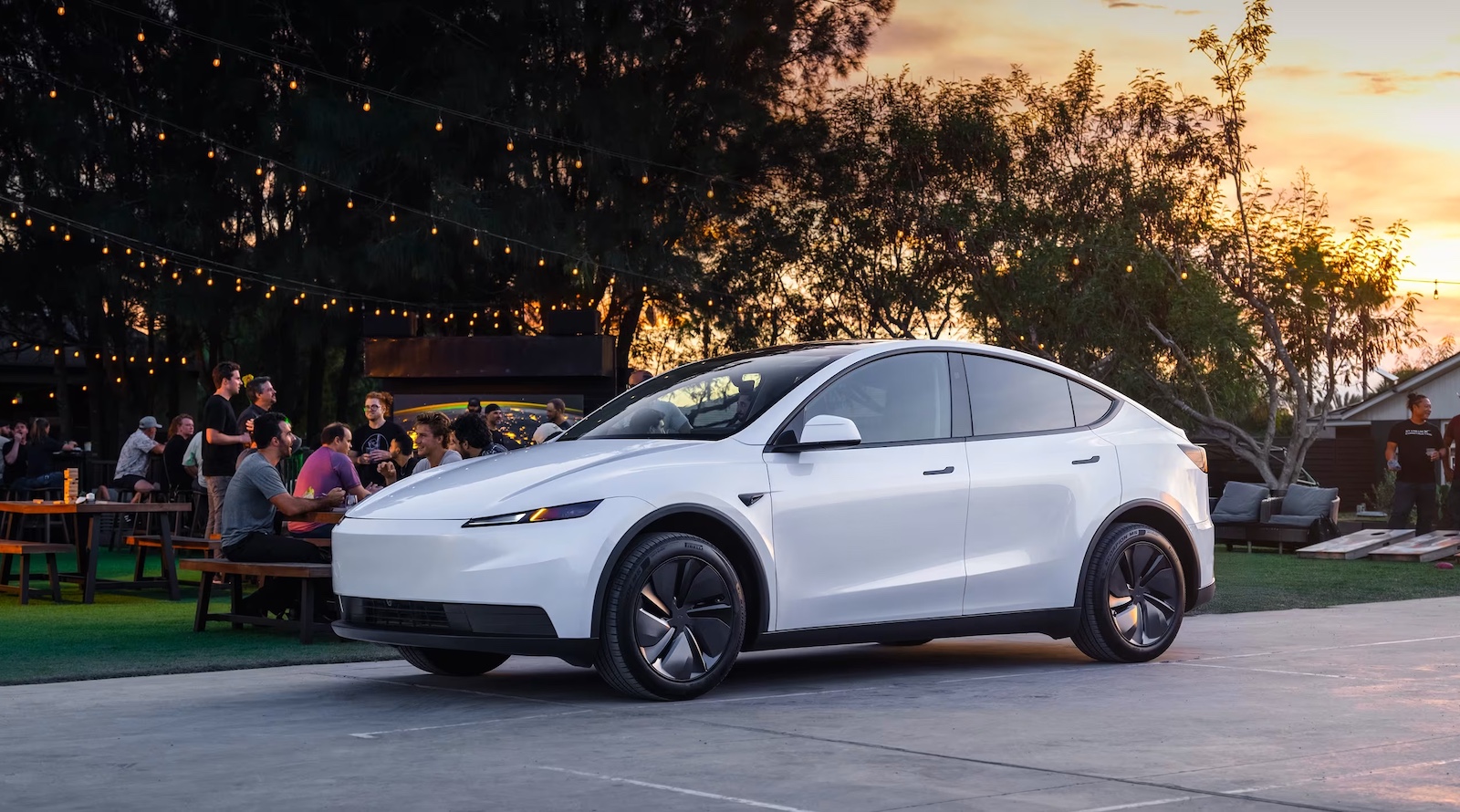
When the world’s best‑selling vehicle is also a flagship for a company that claims to be reshaping mobility, the headline‑grabbing sales rank can mask a more nuanced story. The Tesla Model Y, described as the top‑sold model globally for several years, is now offered in two price‑point versions that differ in battery size, interior appointments, and a $99‑a‑month Full Self‑Driving (FSD) subscription after a trial period. While the numbers look tidy, they raise deeper questions about how Tesla’s sprawling production network, cost structure, and regulatory environment shape the reality behind the price tags.
Deep Dive
According to CleanTechnica, the Model Y is produced at four factories: Fremont, California; Shanghai, China; Austin, Texas; and Berlin, Germany. This geographic spread allows Tesla to serve U.S., Chinese, European, and other international markets without relying heavily on cross‑border logistics for finished vehicles. However, operating four distinct manufacturing sites also means the company must juggle differing labor costs, supply‑chain constraints, and regulatory regimes—all of which influence the final vehicle price.
The 2026 Model Y is sold in a “Basic” version for $39,990 (or $529/month with $3,300 down at 0 % interest over 72 months) and a “Premium” version for $45,990 (or $631/month with $3,300 down at 0.99 % interest over 72 months) CleanTechnica. The Basic model carries a 60 kWh battery delivering an EPA‑rated 321 miles, while the Premium steps up to a 75 kWh pack for 357 miles. The premium trim also adds acoustic glass, a 13‑speaker sound system with two subwoofers, a rear‑seat TV screen, and per‑tire pressure sensors, among other comfort upgrades.
One of the most discussed optional features is the dual‑motor all‑wheel‑drive (AWD) upgrade, priced at an additional $2,000. The company claims this reduces 0‑60 mph times from 5.4 seconds (RWD) to 4.6 seconds (AWD) CleanTechnica. While the performance gain is measurable, the cost differential is modest compared with the $6,000 premium price gap between the two trims, suggesting Tesla is using performance as a secondary selling point while the bulk of the price premium stems from interior and infotainment upgrades.
Perhaps the most controversial element is the Full Self‑Driving (FSD) V14 software. After a 30‑day trial, the system automatically enrolls owners in a $99‑per‑month subscription CleanTechnica. The author of the source article writes,
We are blown away by the performance of Full Self Driving V14 on our 2026 Model Y. V14 raises driving automation to a new level…
Beyond the glowing description, the billing model introduces a recurring revenue stream that regulators in the U.S., Europe, and China have begun to scrutinize. Automatic enrollment without explicit opt‑in could trigger consumer‑protection inquiries, especially as the software is still classified as driver‑assistance rather than fully autonomous. Moreover, the subscription cost represents a non‑trivial add‑on for owners who opted for the lower‑priced Basic trim, potentially widening the gap between advertised purchase price and total cost of ownership.
The pricing structure also interacts with regional fees. In Wisconsin, for example, buyers face a 5 % state sales tax, county taxes, a $175 electric‑vehicle fee, and other charges totaling $2,766 CleanTechnica. While the article notes that fees vary by state, it does not quantify how these add‑ons affect the model’s competitiveness against gasoline‑powered rivals that may benefit from different tax treatments.
From a supply‑chain perspective, the larger 75 kWh battery in the Premium version likely requires more lithium‑ion cells, which are sourced from a mix of North American and Asian suppliers. The shift toward a higher‑capacity pack could strain existing contracts, especially as global demand for battery materials continues to outpace supply. Tesla’s ability to allocate cells across its four factories without bottlenecks will be a key determinant of whether the Premium trim can be delivered at scale.
Finally, the article mentions a tow‑hitch option ($1,000 factory‑installed) and an observation that FSD V14 continues to function with a bike rack attached, unlike the earlier V12 version. While this illustrates incremental software improvements, it also hints at the broader engineering challenge of ensuring autonomous software can handle a growing array of aftermarket accessories without compromising safety.
Audit & Contradictions
The source article provides a wealth of detail, but several core claims lack external corroboration. The fact‑check audit identifies the following single‑source statements that must be hedged:
- The Model Y has been the top‑sold vehicle globally for the last few years.
- Tesla manufactures the Model Y at factories in Fremont, California; Shanghai, China; Austin, Texas; and Berlin, Germany for various markets.
- Full Self‑Driving V14 is automatically billed $99 per month after a 30‑day trial.
- A dual‑motor AWD option adds $2,000 and improves 0‑60 mph time from 5.4 seconds to 4.6 seconds.
All of these points come solely from the CleanTechnica piece; no independent outlets among the listed corroborations (Consumer Reports, Automotive News, Car Sales Statistics) verify them. The fact‑check summary notes a “Low” contradiction level, meaning no direct conflicts were found, but the lack of multiple sources means readers should treat these details as the company’s own narrative rather than independently validated data.
Future Outlook
Looking ahead, Tesla’s tiered Model Y strategy could influence how competitors price electric SUVs. If the Premium trim’s higher price is justified primarily by interior luxuries and a subscription‑based FSD, rivals may respond with bundled software packages that avoid post‑purchase billing surprises.
Regulators are likely to keep a close eye on the automatic FSD subscription model. In the U.S., the Federal Trade Commission has expressed interest in “clear, affirmative consent” for recurring charges tied to vehicle software. Europe’s GDPR‑aligned consumer‑protection framework could also demand more transparent opt‑in mechanisms, potentially forcing Tesla to redesign its billing flow.
Supply‑chain resilience will remain a litmus test for Tesla’s global factory network. Any disruption—whether a semiconductor shortage in Texas or a lithium‑ion material constraint in China—could force the company to prioritize one market over another, affecting delivery timelines for both Basic and Premium trims.
Finally, the ongoing evolution of FSD versions suggests that Tesla’s software roadmap is a key competitive moat. As newer versions like V14 demonstrate improved object detection (e.g., handling bike racks) but still require driver supervision, the company must balance rapid feature roll‑outs with safety validation to avoid regulatory backlash.
In sum, the Model Y’s headline‑grabbing sales figures hide a complex web of pricing tactics, global production logistics, and emerging regulatory challenges. How Tesla navigates these undercurrents will shape not only its own market share but also the broader trajectory of electric‑vehicle adoption worldwide.