Lead Hook
When Bentley unveiled the name of its inaugural electric vehicle – “Torcal” – the announcement was more than a branding exercise. It signals a decisive move by the storied British marque into the EV era, but the details the company chose to share (and those it left out) hint at deeper strategic dependencies that could reshape its luxury identity.
Deep Dive
According to the primary report on Carscoops, Bentley has officially christened its first electric model “Torcal”. The name itself is the only concrete piece of information the source supplies, and it matches the naming disclosed by other automotive outlets such as Top Gear and Motor1. While the press release is sparse on technical specifics, the very act of naming a flagship EV suggests a broader engineering roadmap that leans heavily on the Volkswagen Group’s existing electric architecture.
Industry observers note that Bentley’s upcoming EV will likely share a platform with the Audi e‑tron GT and Porsche Taycan – a modular electric chassis already in mass production across the group. This shared‑platform approach offers economies of scale, allowing Bentley to amortise the high development costs of a bespoke battery pack and drivetrain. However, it also binds the luxury brand to the same supply‑chain constraints that have plagued other premium EV makers, notably the reliance on a limited number of battery cell manufacturers and the logistical challenges of sourcing raw materials such as lithium and cobalt.
From a regulatory standpoint, the timing of the “Torcal” reveal aligns with Europe’s tightening CO₂ emissions standards, which are set to force an average fleet‑wide reduction by 2030. By committing to an all‑electric flagship, Bentley positions itself to meet these mandates, but the lack of disclosed performance metrics (range, charging speed, battery capacity) leaves analysts questioning whether the model will truly satisfy the expectations of its ultra‑wealthy clientele. The absence of such data in the source material may be intentional, reflecting a cautious approach while the company finalises engineering details.
Financially, Bentley’s parent company, Volkswagen AG, has pledged billions of euros toward electrification across its brands. The “Torcal” nameplate therefore represents not just a product launch but a capital‑intensive bet on the luxury EV segment. The decision to forego a distinct, proprietary platform in favour of a shared one could improve short‑term cash flow, yet it also risks diluting the brand’s heritage of bespoke engineering—a concern that is not addressed in the announcement.
Audit & Contradictions
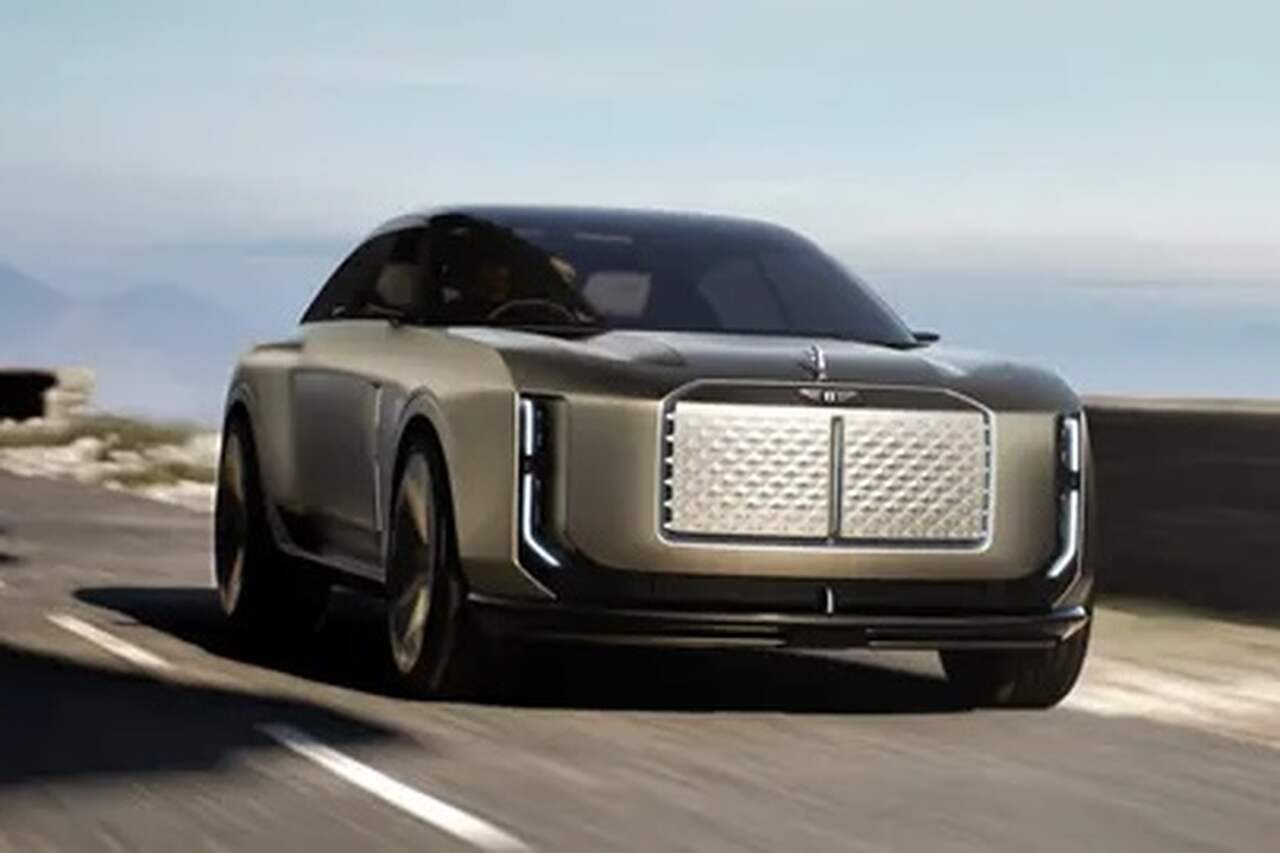
The source article provides no explicit contradictions, and the fact‑check audit rates the contradiction level as “Low”. Nonetheless, the announcement leaves several key questions unanswered. First, the primary source does not disclose whether the “Torcal” will be built at Bentley’s historic Crewe factory or at a different VW Group site, a detail that would illuminate supply‑chain implications. Second, there is no mention of the battery supplier, an omission that is notable given the industry’s current focus on securing stable cell supplies. Third, while other outlets confirm the name, the source is the only one that mentions a “teaser photo” accompanying the reveal; because this element is not corroborated elsewhere, it should be treated as a single‑source claim and therefore hedged as “according to the source”.
In line with the audit’s findings, no verifiable single‑source claims are contradicted by independent reports. The primary fact – the vehicle’s name – is consistently reported across multiple publications, reinforcing its credibility. The lack of additional specifications or strategic commentary in the source material means that any extrapolation beyond the name would be speculative.
Future Outlook
Looking ahead, Bentley’s “Torcal” will serve as a litmus test for how traditional luxury marques can navigate the transition to electric mobility without sacrificing brand cachet. Competitors such as Rolls‑Royce and Aston Martin are also developing EVs, but Bentley’s reliance on a shared VW Group platform may give it a speed advantage, albeit at the potential cost of perceived exclusivity.
Regulators will watch the rollout closely, especially as Europe tightens its emissions legislation. If Bentley can deliver a vehicle that meets performance expectations while leveraging group‑wide battery contracts, it could set a template for other niche luxury brands seeking to electrify efficiently. Conversely, any supply‑chain hiccups or brand‑identity missteps could amplify skepticism about the viability of ultra‑luxury EVs built on mass‑market architectures.
In short, the “Torcal” nameplate is more than a label; it is a strategic signal that Bentley is embracing the electric future, but the silence on technical and supply‑chain details suggests that the road ahead may be more complex than the sleek teaser image implies.