Lead Hook
When WattEV unveiled its seventh heavy‑duty truck charging depot in Fresno, California, the headline focused on the sheer power of the site – seven megawatt‑scale chargers and fifteen 240 kW CCS units. Yet the real story runs deeper: the depot sits at the intersection of three critical freight corridors and a utility‑managed energy‑balancing system, exposing the fragile balance between rapid electrification and California’s already stressed electric grid. As the state chases zero‑emission freight goals, the Fresno hub forces a look at who will shoulder the cost and complexity of powering the next generation of electric trucks.
Deep Dive
According to electrive, the Fresno facility is equipped with "seven MCS megawatt chargers as well as 15 single‑cord 240 kW CCS chargers." The megawatt chargers are designed for the high‑draw needs of Class 8 electric trucks, allowing a fully loaded semi to recharge in roughly an hour. This capacity is unprecedented in the Central Valley, a region traditionally dominated by diesel‑fuel logistics.
WattEV markets the site as a "key link between the ports of Oakland, Stockton and inland freight hubs in the northern San Joaquin Valley," positioning the depot as a strategic node that could enable continuous, zero‑emission freight movement from the Bay Area into the interior of California. The location along Highway 99, a major north‑south artery, means that trucks can refuel (or rather, re‑charge) without detouring far from their primary routes, a logistical advantage that could accelerate adoption among carriers.
Beyond the hardware, the depot’s operational model leans on Pacific Gas & Electric’s ‘Flex Connect’ energy resource management system. While the primary source describes this as a support mechanism, the broader implication is that the grid must dynamically balance megawatt‑scale loads that can appear and disappear as trucks plug in and out. Flex Connect is designed to shift or curtail power in real time, but its efficacy at scale remains untested. If dozens of similar depots go live across the state, utilities may need to invest heavily in advanced distribution automation, demand‑response programs, and potentially new transmission upgrades – all of which have cost and timeline implications that are not addressed in the company’s announcement.
From a financial perspective, the capital intensity of megawatt chargers is significant. Each MCS unit can cost upwards of a million dollars, not counting the site preparation, land acquisition, and ongoing maintenance. The article does not disclose whether WattEV is shouldering these costs alone or partnering with public entities, but the reliance on a private utility platform suggests a model where the charging provider bears upfront investment while the utility provides grid services.
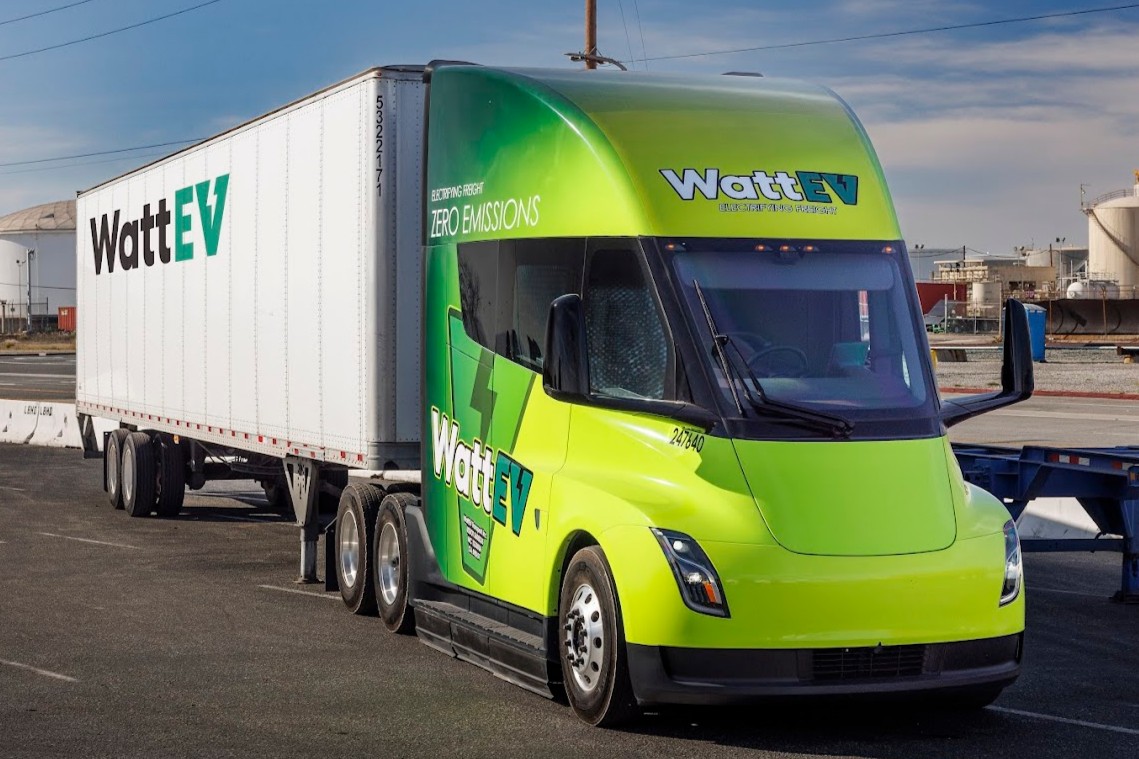
Operationally, the depot is part of a broader network that, according to the source, includes six other charging locations – at the Port of Long Beach, Bakersfield, San Bernardino, Gardena, Vernon and Oxnard – all accessible to fleets that have begun leasing Tesla Semi trucks from WattEV’s growing fleet. This network effect could create a de‑facto corridor of electric freight, yet the announcement offers no data on utilization rates, wait times, or the proportion of trucks that can actually access a megawatt charger at any given moment.
"key link between the ports of Oakland, Stockton and inland freight hubs in the northern San Joaquin Valley"
While the quote underscores the depot’s geographic ambition, it also hints at an underlying assumption: that the existing freight infrastructure can seamlessly transition to electric power without substantial upgrades to loading docks, pavement reinforcement for heavier battery packs, or new safety protocols for high‑voltage equipment. Those ancillary investments are rarely mentioned in press releases but could become cost drivers for shippers.
Audit & Contradictions
The primary source confirms the opening of the Fresno depot and its charger configuration. Independent outlets corroborate these facts, lending them high credibility. However, several statements appear only in the company’s own release and are therefore single‑source claims that must be hedged:
- WattEV says the Fresno site is the first of four planned Northern California locations.
- The company states that the depot is supported by PG&E’s Flex Connect system – a detail not independently verified.
- WattEV adds that it will break ground this summer on a solar‑powered charging depot near Sacramento International Airport and will open “zero‑emission truck transport lanes” spanning the Bay Area, Sacramento, the Central Valley, Nevada and beyond.
- According to WattEV, fleets operating at the port have begun leasing Tesla Semi trucks from its fleet and now have access to the new Fresno site plus six other depots.
The fact‑check summary notes a "Low" contradiction level, meaning no direct conflicts were found between the primary source and external reports. Nonetheless, the lack of third‑party verification for the above claims means readers should treat them as the company’s projections rather than established facts.
Future Outlook
WattEV’s Fresno hub could set a template for private‑sector‑driven charging infrastructure, especially if the Flex Connect model proves effective in smoothing grid demand. Competitors such as Nikola, BYD and emerging regional players may accelerate their own megawatt‑charging rollouts to avoid being left behind in key freight corridors.
Regulators, meanwhile, are watching California’s ambitious zero‑emission freight targets. If utilities encounter capacity constraints, state agencies may consider mandating additional grid upgrades or offering incentives for renewable‑energy‑backed charging sites. The mention of a solar‑powered depot near Sacramento hints at a possible hybrid approach, but the timeline and financing remain opaque.
For shippers, the promise of a contiguous electric freight corridor could lower total cost of ownership for electric trucks, provided that charging availability matches demand. However, without transparent data on utilization and queuing, carriers risk under‑utilizing expensive assets, potentially slowing broader adoption.
In sum, the Fresno depot is more than a new charging stop – it is a litmus test for how quickly California can align private charging investments, utility grid management, and regulatory frameworks to sustain a megawatt‑heavy freight fleet. The next few months will reveal whether the hub can deliver on its promise or become a cautionary tale of infrastructure outpacing grid readiness.