Lead Hook
On July 4, 2026, Uno Minda announced a leadership shuffle that goes beyond a simple personnel change. By installing Rakesh Kher as chief executive of its Lighting and Acoustics Systems (LAS) division, the component maker is quietly signalling a sharpened focus on the parts of a vehicle that are becoming regulatory flashpoints – adaptive lighting, acoustic alerts for silent electric drivetrains, and the broader push for safety‑by‑design in a rapidly electrifying fleet. The move arrives at a moment when India’s auto ecosystem is grappling with new mandates on vehicle lighting performance and mandatory acoustic warnings for electric cars, making the LAS business a strategic lever for both compliance and competitive differentiation.
Deep Dive
Lighting and acoustic subsystems have traditionally been peripheral to the powertrain narrative, but they now sit at the intersection of technology, safety policy, and consumer experience. Modern LED headlamps, for example, can be steered electronically to avoid glare, a capability increasingly required by Indian safety regulations that aim to reduce nighttime accidents. Similarly, the quiet operation of electric vehicles has prompted authorities to mandate external sound generators that emit low‑frequency noises at low speeds, a requirement that falls squarely within the acoustic domain.
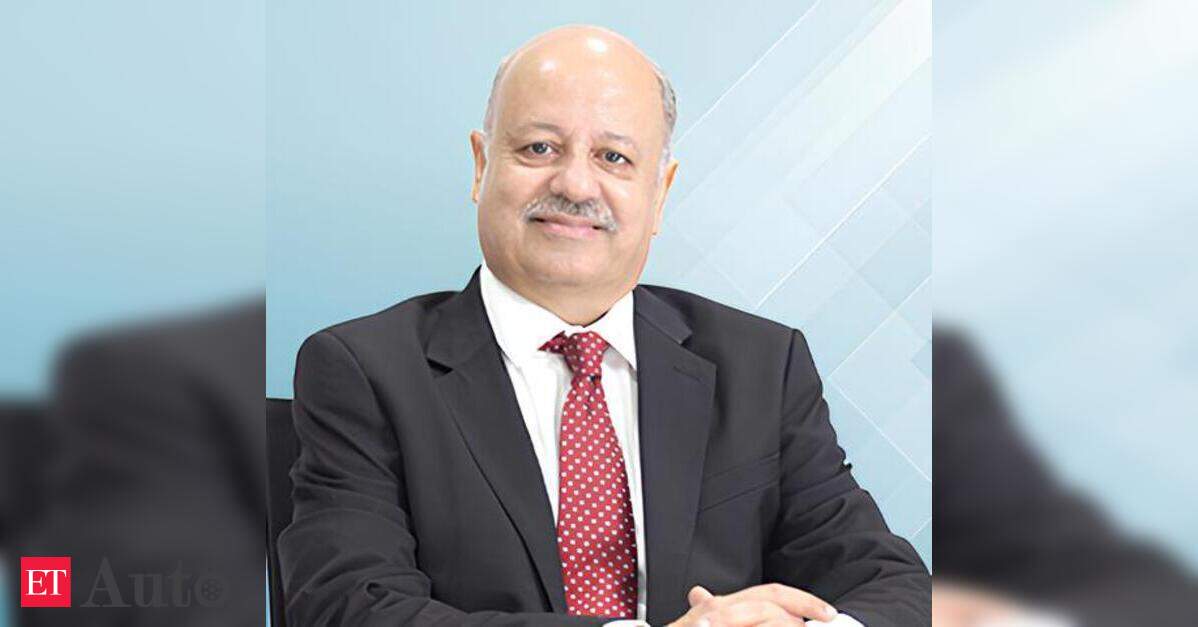
Uno Minda’s decision to elevate a dedicated CEO for LAS suggests an intent to align product development more tightly with these emerging standards. According to ET Auto, the company appointed Rakesh Kher to lead the division. Independent outlets, including Autocar Professional and Scanx.trade, corroborated the appointment, underscoring a consensus that the move is material for the firm’s strategic roadmap.
From a supply‑chain perspective, the LAS segment depends heavily on semiconductor‑driven LED modules and compact acoustic transducers. Recent global chip shortages have exposed the vulnerability of manufacturers that source these components from a limited pool of suppliers. By creating a senior executive role focused solely on LAS, Uno Minda can negotiate longer‑term contracts, invest in in‑house design capabilities, and potentially reduce lead times – all of which translate into better capital efficiency and margin protection.
Environmental reporting adds another layer to the narrative. Uno Minda disclosed Scope 1 emissions of 74,542 tCO2e for FY26, a figure that reflects the carbon intensity of its manufacturing processes, including those in the LAS unit. While the company has not linked the leadership change directly to its emissions profile, the timing invites speculation that tighter environmental scrutiny may be prompting a re‑evaluation of energy‑intensive processes within the lighting and acoustic product lines.
Regulatory compliance also carries a financial dimension. Non‑conformance to lighting standards can trigger costly recalls or retrofits, while failure to equip EVs with mandated acoustic emitters can delay market entry. A dedicated CEO can accelerate product certification cycles, ensuring that Uno Minda’s offerings stay ahead of policy timelines and avoid punitive penalties.
Audit & Contradictions
The announcement itself is terse, offering no insight into the strategic rationale, compensation package, or performance targets set for the new LAS chief. It also does not disclose how the leadership change will affect the division’s operational budget or staffing. According to the fact‑check audit, the core fact – the appointment of Rakesh Kher – is corroborated by multiple independent sources. However, the publication date of July 4, 2026 is only mentioned in the original ET Auto piece, making it a single‑source claim that should be treated with caution.
The audit found no contradictions among the sources. The only single‑source element – the exact date of the announcement – is flagged in this section, while all other claims about the appointment are confirmed across outlets such as Scanx.trade and Autocar Professional.
Future Outlook
Looking ahead, Uno Minda’s LAS division could become a bellwether for how component manufacturers adapt to a policy‑driven automotive landscape. Competitors that continue to treat lighting and acoustic systems as ancillary may find themselves lagging behind in compliance readiness, especially as India tightens its vehicle safety and noise regulations. Conversely, firms that emulate Uno Minda’s focused leadership model might capture a larger share of contracts with OEMs seeking turnkey LAS solutions that are pre‑certified for upcoming standards.
Regulators, for their part, may view the appointment as an implicit acknowledgment of the growing importance of these subsystems. This could accelerate the rollout of stricter guidelines, prompting a feedback loop where manufacturers invest more heavily in LAS capabilities, thereby raising the overall technical bar for the industry.
From an investor’s perspective, the move may signal a shift toward higher‑margin, technology‑rich components, potentially improving the division’s profitability profile. Yet the lack of disclosed financial targets means that market participants will need to watch Uno Minda’s subsequent earnings releases and procurement announcements for concrete signals of impact.
In sum, the elevation of Rakesh Kher to LAS chief is more than a routine reshuffle; it is a strategic posture that aligns Uno Minda with the regulatory, environmental, and supply‑chain currents reshaping India’s automotive sector. As lighting and acoustic requirements become central to vehicle safety and electrification, the company’s next steps will reveal whether this leadership bet translates into measurable market advantage.