Lead Hook
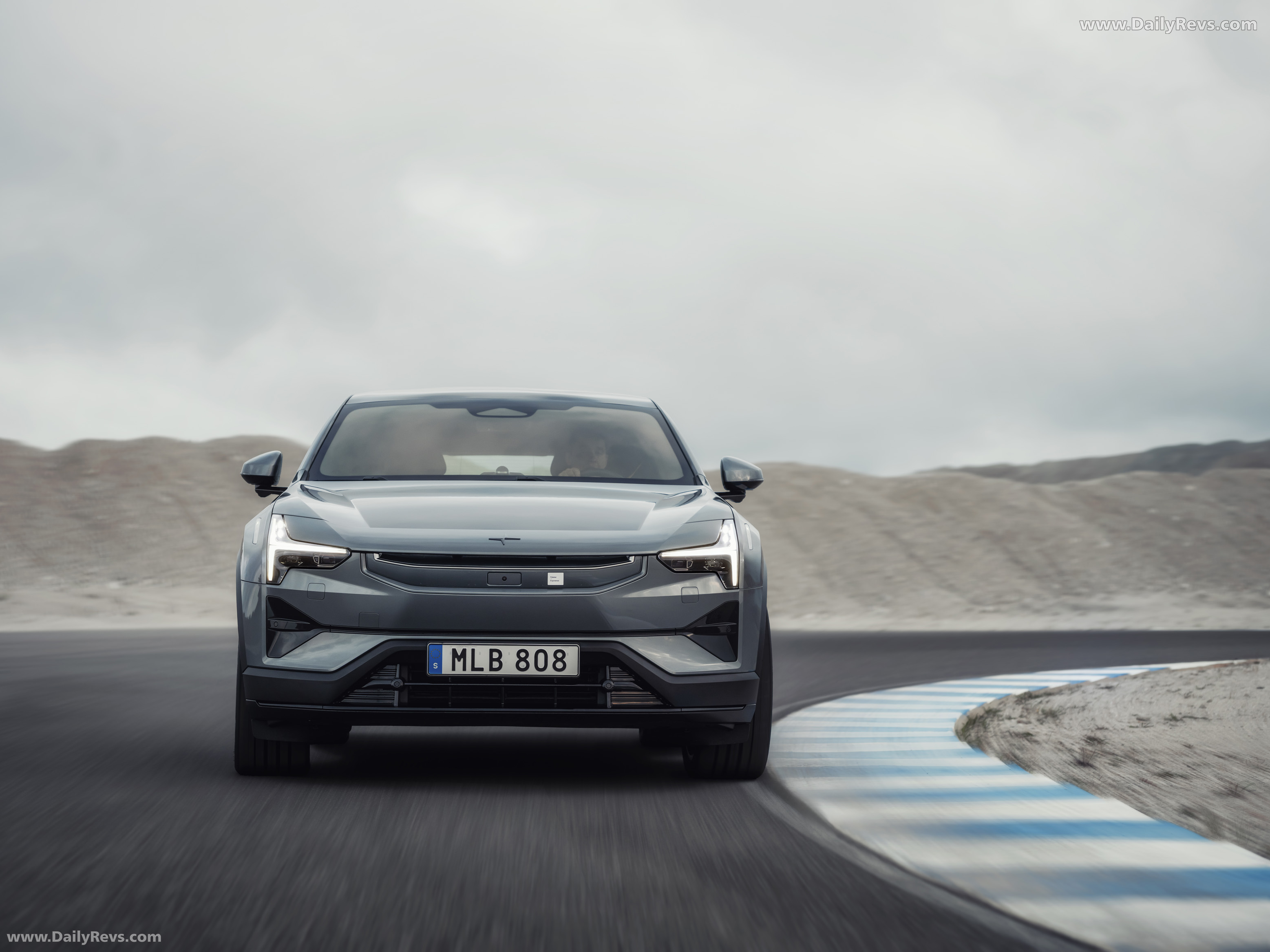
The Polestar 4’s $25,000 discount isn’t just a clearance sale—it’s a warning sign. According to Motor1.com, the Swedish EV brand will be barred from selling cars in the United States starting with the 2027 model year because of a new Connected Vehicles Rule from the U.S. Department of Commerce. To liquidate its remaining U.S. inventory, Polestar is offering a $25,000 “Clean Vehicle Incentive” that can be applied toward a cash purchase. The discount drives the 2026 Polestar 4 rear‑motor price from $57,800 down to $32,800, while the dual‑motor version falls from $64,300 to $39,300 – prices that undercut many mainstream sedans.
Regulatory Background
The ban stems from national‑security concerns over vehicle connectivity and data sharing. Although Polestar is a Swedish brand, it is majority‑owned by China’s Geely Group, which also controls Volvo Cars. The rule mirrors broader U.S. efforts to limit foreign‑origin connected‑vehicle technology, leaving Polestar with no viable path to continue selling new cars in the country.
Discount Mechanics
The $25,000 incentive is only available for cash purchases. The discounted price puts the Polestar 4 in direct competition with conventional gasoline models such as the Toyota Camry. While the discount makes the vehicle financially attractive, buyers should be aware that the brand will no longer have a U.S. sales presence after 2026.
Polestar also advertises financing and lease options to clear inventory, but the exact terms (e.g., APR rates, lease cash credits, loyalty bonuses) should be verified directly with a Polestar dealer, as they may vary and are not fully detailed in the source.
Risks of Buying a “Vampire Car”
Vehicles from brands that have exited a market are sometimes called “vampire cars.” The biggest concern for Polestar 4 owners is long‑term service and software support. Motor1 notes that Volvo dealers may be able to service Polestar vehicles, but this has not been confirmed. Prospective buyers should seek written assurances about warranty coverage, software updates, and parts availability before committing.
Market Context
The fire sale underscores how geopolitical and regulatory risks can disproportionately affect EV startups that rely on foreign ownership or supply chains. Legacy automakers such as Tesla, BMW, and Hyundai, which have diversified production footprints, are less exposed to a single‑market ban. For consumers, the discount offers a rare chance to acquire a premium EV at a steep price reduction, but it also highlights the fragility of emerging EV brands in a fragmented global market.
Audit & Contradictions
Motor1 and Car and Driver both confirm the U.S. sales ban and the $25,000 discount. Other details—financing terms, lease cash credits, and loyalty bonuses—are reported only by Motor1 and have not been independently corroborated. Readers should verify these offers with a Polestar dealer.
Future Outlook
Polestar will likely focus on markets where it remains permitted to sell, such as Europe and Asia. The loss of the U.S. market represents a significant financial and brand‑visibility setback. For the broader EV industry, the situation serves as a reminder to diversify supply chains and maintain regulatory flexibility.
Consumers interested in the Polestar 4 should weigh the immediate savings against the long‑term uncertainty surrounding service and software support. Leasing may mitigate some risk, but any purchase should be made with a clear understanding of the brand’s future in the United States.