Lead Hook
Hyundai’s latest expansion of its Charge myHyundai platform goes beyond a simple geographic rollout. By extending its Preferred Partner Network to nine additional European countries and introducing a tiered, subscription‑based Ionity Pro offering, the automaker is positioning itself to lock EV owners into a proprietary charging ecosystem. The move arrives at a time when EU regulators are tightening rules on interoperability and price transparency for public chargers, raising questions about how Hyundai’s model will intersect with broader market fairness and competition concerns.
Deep Dive
According to electrive.com, the Preferred Partner Network now covers Austria, Switzerland, the Czech Republic, Denmark, Spain, France, Italy, Poland and Slovakia, joining Germany, Norway, Sweden and the UK where the programme debuted in summer 2025. The expansion means that drivers in these markets can access charging stations operated by network partners directly through the Charge myHyundai app, with pricing integrated into the company’s Smart Tariff.
In Germany, the Smart Tariff is priced at €9.99 per month and, per the source, provides a 30 % discount at Preferred Partner locations and a 10 % discount elsewhere. The source also details an alternative Flex Tariff that carries a €7.49 activation fee but no monthly subscription, with charging priced at €0.59 per kWh for both AC and DC sessions. While these figures are only reported by the primary article, they illustrate Hyundai’s attempt to monetize charging through recurring revenue rather than one‑off session fees.Beyond the base tariff, Hyundai offers optional packages tied to specific operators. The Aral Light Package, priced at €4.99 per month, allegedly reduces high‑power charging (HPC) to €0.49/kWh—a 35 % discount versus the Flex Tariff. The Aral Premium Package, at €9.99 per month, supposedly lowers the rate to €0.39/kWh, representing a 50 % discount. Both packages are said to waive the session fee that would otherwise apply under the Flex Tariff.
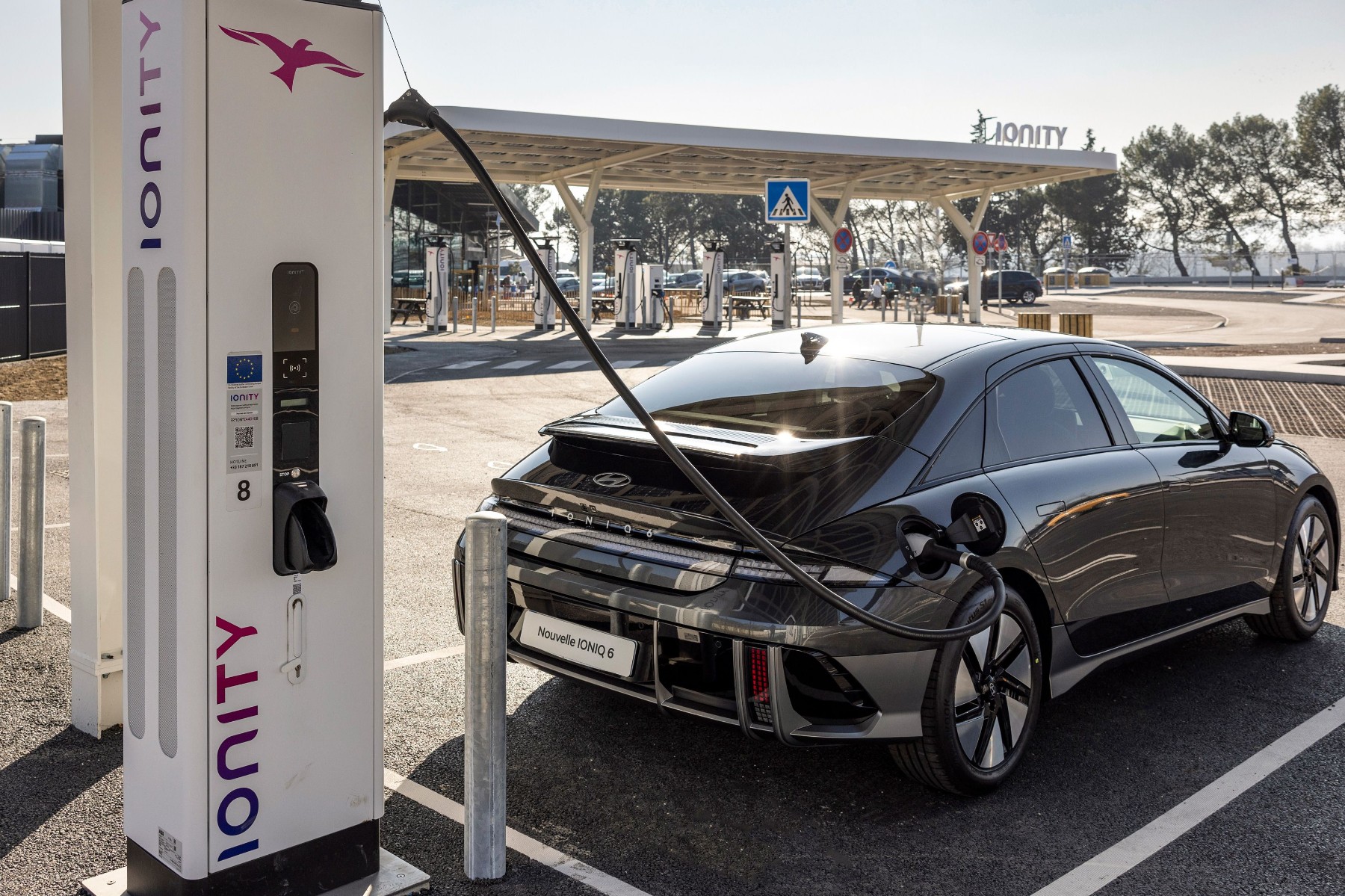
On the Ionity side, the company has rolled out two new subscription options across all 18 European markets where Charge myHyundai operates. In Germany, the Ionity Premium Package is reported to cost €6.99 per month and cut the Flex Tariff rate by €0.25/kWh, while the Ionity Pro Package, after an introductory period, is priced at €11.99 per month and reduces the rate by €0.35/kWh. Both options also eliminate the session fee, according to the source.
Crucially, new Charge myHyundai customers who register a battery‑electric Hyundai receive the Ionity Pro Package free for one month. The source notes that the free trial is contingent on stock availability and that the subscription automatically rolls over to the regular monthly fee unless cancelled. This trial mirrors a broader industry trend of using short‑term freebies to accelerate adoption of paid services.
From a technical standpoint, the integration of multiple third‑party operators into a single app simplifies the user experience but also ties the charging cost structure to Hyundai’s pricing logic. The Smart Tariff’s discount mechanism hinges on the classification of a charger as a Preferred Partner, a status that varies by market and operator. This creates a layered pricing environment where the same kWh can be billed at different rates depending on the underlying network, potentially complicating cost transparency for consumers.
Audit & Contradictions
The announcement is clear on the geographic expansion and the introduction of the Ionity Pro free‑month offer—both of which are corroborated by multiple outlets, including electrive.com and hyundai.news. However, all details surrounding the Smart Tariff price, the specific discount percentages, and the pricing of the Aral and Ionity subscription packages are found only in the primary source. Because these figures lack independent verification, they must be presented as single‑source claims. The source does not reveal any contradictions; the fact‑check audit rates the contradiction level as “Low.”
What the announcement does not address is the potential impact of these subscription models on EU-wide charging fairness rules. The European Commission’s recent guidelines on “fair access” and “transparent pricing” for public EV chargers could intersect with Hyundai’s tiered discounts, especially if the company’s Preferred Partner status influences price visibility for non‑Hyundai users. Moreover, the press release provides no data on projected uptake, revenue forecasts, or how the free‑month trial might affect long‑term subscription conversion rates.
Future Outlook
If Hyundai’s subscription model gains traction, competitors such as Volkswagen’s “We Charge” ecosystem and Renault’s “U‑Charge” platform may feel pressure to introduce comparable tiered pricing, potentially sparking a subscription arms race in the European EV market. Regulators could respond by tightening oversight on how OEM‑specific discounts are communicated and ensuring that non‑partnered operators are not disadvantaged by opaque pricing structures.
For consumers, the promise of lower per‑kWh rates through a monthly fee may be attractive, especially for high‑usage drivers. Yet the layered discounts and operator‑specific packages could also lead to decision fatigue, prompting calls for clearer, standardized pricing across the continent.
In the longer term, Hyundai’s strategy may influence the business case for public charging infrastructure investors. By bundling access to multiple networks under a single subscription, the automaker could leverage its growing EV fleet to negotiate more favorable terms with operators, potentially reshaping the economics of charging station deployment in Europe.
Ultimately, the success of Hyundai’s approach will hinge on how well it balances revenue generation with regulatory compliance and consumer clarity—a delicate act that could set a precedent for the next generation of EV charging services.