Lead Hook
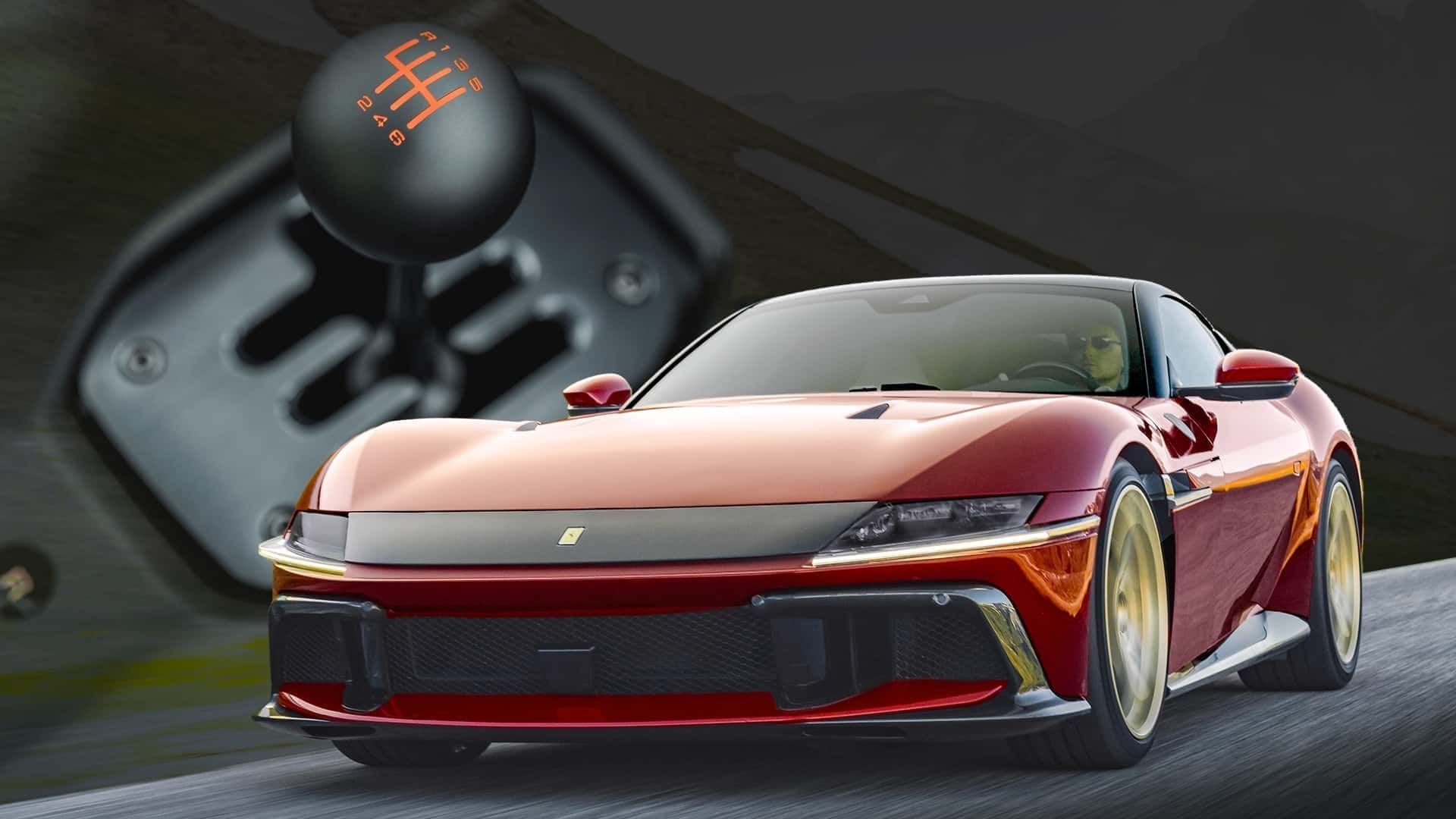
Ferrari’s newest flagship, the 12Cilindri Manuale, arrives with a clutch pedal and a gated shifter – a throwback to the manual transmissions that defined sports cars for decades. Yet the rollout comes at a time when the automotive world is racing toward electrification and automated gearboxes. The move signals more than a nostalgic gimmick; it is a strategic gamble that the brand believes a small cohort of purists will still pay premium prices for a tactile driving experience. If the gamble pays off, it could carve out a niche for analog‑driven hypercars even as regulators push for ever‑cleaner powertrains.
Deep Dive
According to the source, the Manuale version of the 12Cilindri retains the same eight‑speed dual‑clutch transmission (DCT) found in the standard model, but Ferrari has layered a new "Manuale By‑Wire" system on top of it. In practice, drivers can select a dedicated Manual mode, press an actual clutch pedal, and shift through a classic gated shifter that exposes the first six gears and reverse. The source explains that a small electric actuator will only allow gear engagement when Manual mode is active, while two Hall‑effect sensors monitor shifter movement to ensure precise input.
What makes this system distinct is the electronic clutch pedal. Instead of a mechanical linkage, a sensor measures pedal travel and translates it into hydraulic control of the DCT. This allows the car to start in either automatic DCT mode (by pressing the brake) or Manual mode (by depressing the clutch). The source notes that drivers can toggle back to automatic operation at any time, though seventh and eighth gears are reserved for "relaxed, high‑speed touring".
Ferrari claims the three‑pedal layout and the "Manuale By‑Wire" architecture preserve an "
analogue feel, consistency, and naturalness" that traditional manuals provide. The brand likens the concept to the manual gearbox in the Koenigsegg CC850, a rare example of a modern hypercar offering a driver‑controlled clutch. While the source does not provide independent verification of the comparison, the similarity suggests both manufacturers are exploring how to blend dual‑clutch speed with manual engagement.
The engineering effort required to retrofit a clutch pedal onto a DCT is non‑trivial. Dual‑clutch units are typically designed for fully automated operation, with hydraulic pressure and electronic control fully integrated. Adding a clutch pedal necessitates an additional actuator, sensor suite, and software logic to reconcile driver input with the rapid gear‑change cycles of a DCT. This complexity could drive up production costs and extend development timelines, especially for a limited run of 1,499 units as stated by the source.
From a regulatory standpoint, the Manuale’s hybrid mechanical‑electronic clutch may raise questions about type‑approval standards. European emissions testing, for instance, assumes a fixed transmission architecture; a system that can switch between fully automated and driver‑controlled modes could complicate certification. While the source does not mention any regulatory hurdles, the novelty of the approach suggests Ferrari will need to work closely with safety and emissions authorities to secure approval.
Audit & Contradictions
The core announcement – that Ferrari has introduced a "Manuale By‑Wire" transmission with a real clutch pedal and gated shifter – is corroborated by another Motor1.com story, confirming the existence of the new manual‑style interface. However, several key details appear only in the primary source and lack independent confirmation:
- Engine output: the source states the 6.5‑liter V12 produces 819 hp and 500 lb‑ft of torque, with 0‑62 mph in 3.0 seconds and a top speed of 211 mph.
- Production limits: the source claims only 1,499 examples will be built, sold exclusively through Ferrari’s Tailor‑Made personalization program.
- Gear usage rules: the source specifies that Manual mode allows shifting only the first six gears and reverse, reserving seventh and eighth gears for relaxed high‑speed touring.
- Comparison to Koenigsegg: the source describes the system as "conceptually similar" to the manual gearbox used in the Koenigsegg CC850.
Because these points are single‑source, they should be treated with caution. The fact‑check audit notes a "Low" contradiction level, meaning no outright conflicts were found, but the lack of external verification means readers should regard these specifications as unconfirmed until other outlets report them.
Future Outlook
If Ferrari’s Manuale By‑Wire proves popular among the ultra‑wealthy, it could encourage other high‑performance manufacturers to experiment with hybrid manual systems that preserve driver engagement without sacrificing the rapid shifts of a DCT. Porsche, for example, has hinted at a future manual option for its 911 GT3, and a successful Ferrari implementation might accelerate such projects.
Conversely, the niche nature of the offering – limited to 1,499 units and likely priced well above the standard 12Cilindri – suggests the market for analog‑focused hypercars remains small. As global emissions standards tighten and consumer demand shifts toward electric powertrains, manufacturers may find the engineering investment required for a manual‑style DCT harder to justify.
Regulators could also play a role. Should safety agencies demand additional validation for systems that blend driver‑controlled clutches with automated gearboxes, the certification process could become a barrier for future manual‑by‑wire concepts. Until the Manuale’s real‑world performance and compliance data emerge, the broader industry will watch closely to see whether Ferrari’s nostalgic gamble is a fleeting novelty or the first step toward a new sub‑segment of driver‑centric hypercars.
For now, the 12Cilindri Manuale stands as a bold statement: even in an era dominated by electric motors and autonomous driving aids, there remains a market – however limited – for the pure, tactile connection that only a clutch pedal can provide.