Lead Hook
When BMW unveiled the fifth‑generation X5, the headline was its new power‑train mix. Yet the most talked‑about change was the disappearance of a feature that had defined the model for nearly three decades: the split‑folding tailgate. The decision matters beyond nostalgia; it reveals how the German automaker is reshaping vehicle architecture to meet tightening efficiency targets and the cost pressures of an expanding electric lineup.
Deep Dive
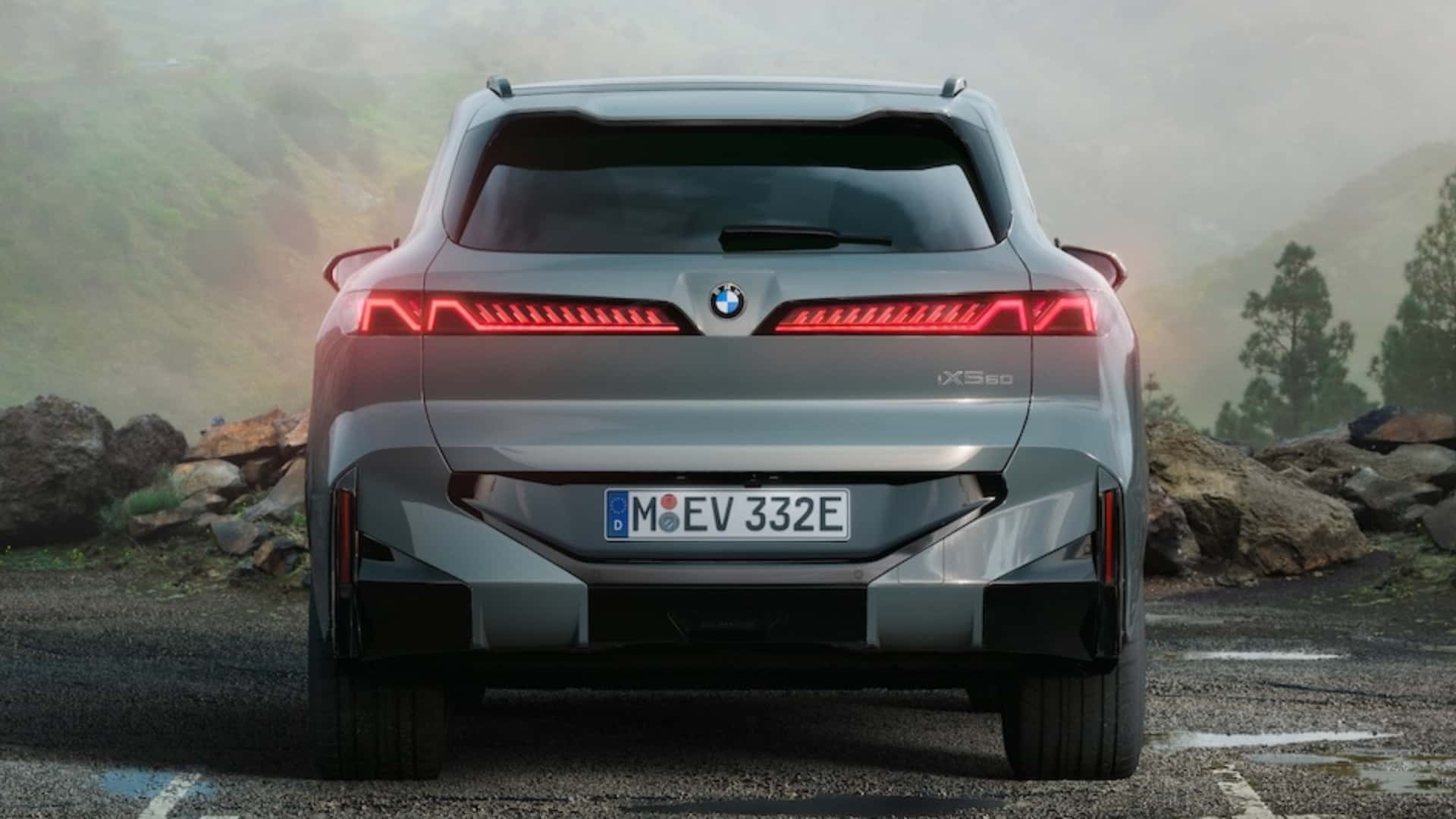
According to Motor1, the 2027 BMW X5 will no longer offer the split‑folding tailgate that has been standard since the model’s 1999 debut. BMW attributes the change to “customer feedback” – specifically, the claim that “any average person with average arm length is actually struggling” to load and unload the boot. The company also says the new single‑piece tailgate is wider, which should make loading easier.
"Any average person with average arm length is actually struggling. If you're perfectly honest, the split tailgate is in itself a cool thing with the low‑end opening, and a normal‑sized person will really struggle to load, or even more importantly, unload the boot," said Philip Koehn, Director of Luxury Class Cars for BMW Alpina and Rolls‑Royce.
Beyond ergonomics, BMW notes a redesign of the rear profile: the new X5 features a “faster roofline,” which has lowered the overall height of the tailgate while simultaneously widening the opening. This aerodynamic tweak, while presented as a styling choice, carries hidden engineering implications. A lower roofline reduces drag—a critical factor for electric variants that must eke out every mile of range. By simplifying the tailgate into a single, wider panel, BMW also trims weight and eliminates the mechanical complexity of a split mechanism, both of which contribute to efficiency gains.
Industry observers have long warned that the shift to electric powertrains forces manufacturers to revisit packaging decisions that were once taken for granted in internal‑combustion models. A split‑folding tailgate adds extra hinges, seals, and reinforcement structures that increase mass and disrupt airflow. Removing it aligns with BMW’s broader strategy to launch an all‑electric iX5 alongside the gasoline and plug‑in hybrid versions slated for late 2026. While the source does not explicitly link the tailgate change to the iX5, the timing and the simultaneous emphasis on a sleeker roofline suggest a convergence of design priorities: cost containment, weight reduction, and aerodynamic efficiency.
Cost considerations are also implicit. Maintaining a legacy feature that requires a distinct set of parts, tooling, and assembly steps can be expensive, especially when the same platform will support multiple power‑train configurations. Consolidating the rear hatch into a single design reduces part variance, streamlines the supply chain, and potentially lowers per‑unit manufacturing expense—advantages that become amplified when scaling up electric production.
Audit & Contradictions
The announcement leaves several data points unaddressed. First, the claim that “average customers struggle” is not backed by quantitative survey results; BMW provides no percentages or study methodology. Social‑media chatter cited in the source notes that many owners actually consider the split tailgate a favorite feature, highlighting a possible disconnect between the company’s internal metrics and public perception.
Second, the source states that the 2027 X5 will arrive at dealerships in late 2026 and will be offered with gasoline, plug‑in hybrid, and electric powertrains. This rollout schedule and power‑train lineup appear only in this article, making them single‑source claims that should be treated cautiously. As such, the timing and breadth of the power‑train options are reported as "according to the source" without independent confirmation.
Fact‑check analysis rates the core factual points—removal of the split tailgate, BMW’s stated ergonomic rationale, the wider aperture, and the roofline adjustment—as corroborated by a second Motor1 report. No contradictions were identified across the available material, so the overall contradiction level is low.
Future Outlook
If BMW’s move proves successful, other premium SUV makers may follow suit, especially those juggling internal‑combustion and electric variants on shared platforms. A streamlined rear hatch could become a new norm for vehicles where aerodynamic efficiency directly influences electric range.
Regulators are also watching vehicle aerodynamics as part of broader emissions standards. While the source does not mention any specific mandates, the industry’s push toward lower drag coefficients aligns with the kind of design change BMW touts as a “faster roofline.” Should future regulations tighten drag limits, manufacturers that have already simplified rear structures may find themselves ahead of compliance curves.
For consumers, the trade‑off is clear: a marginally larger opening for easier loading versus the loss of a split‑folding option that offered flexible cargo configurations. Whether the convenience outweighs the nostalgia will likely be decided in showrooms once the 2027 X5 reaches dealers.
In the meantime, the decision serves as a subtle indicator of where BMW is placing its engineering dollars—away from legacy mechanical features and toward the efficiencies required for a competitive electric future.