Lead Hook
The abrupt end of Waymo’s partnership with Uber in Phoenix does more than signal a local market shift; it spotlights the regulatory blind spots and safety infrastructures that still lag behind the rapid rollout of driverless ride‑hailing. While the collaboration helped Uber scale its autonomous fleet in other cities, the Phoenix shutdown coincides with a startling incident involving teenagers hanging out of a Waymo robotaxi in Santa Monica, underscoring how gaps in rider verification and real‑time monitoring could invite stricter oversight.
Deep Dive
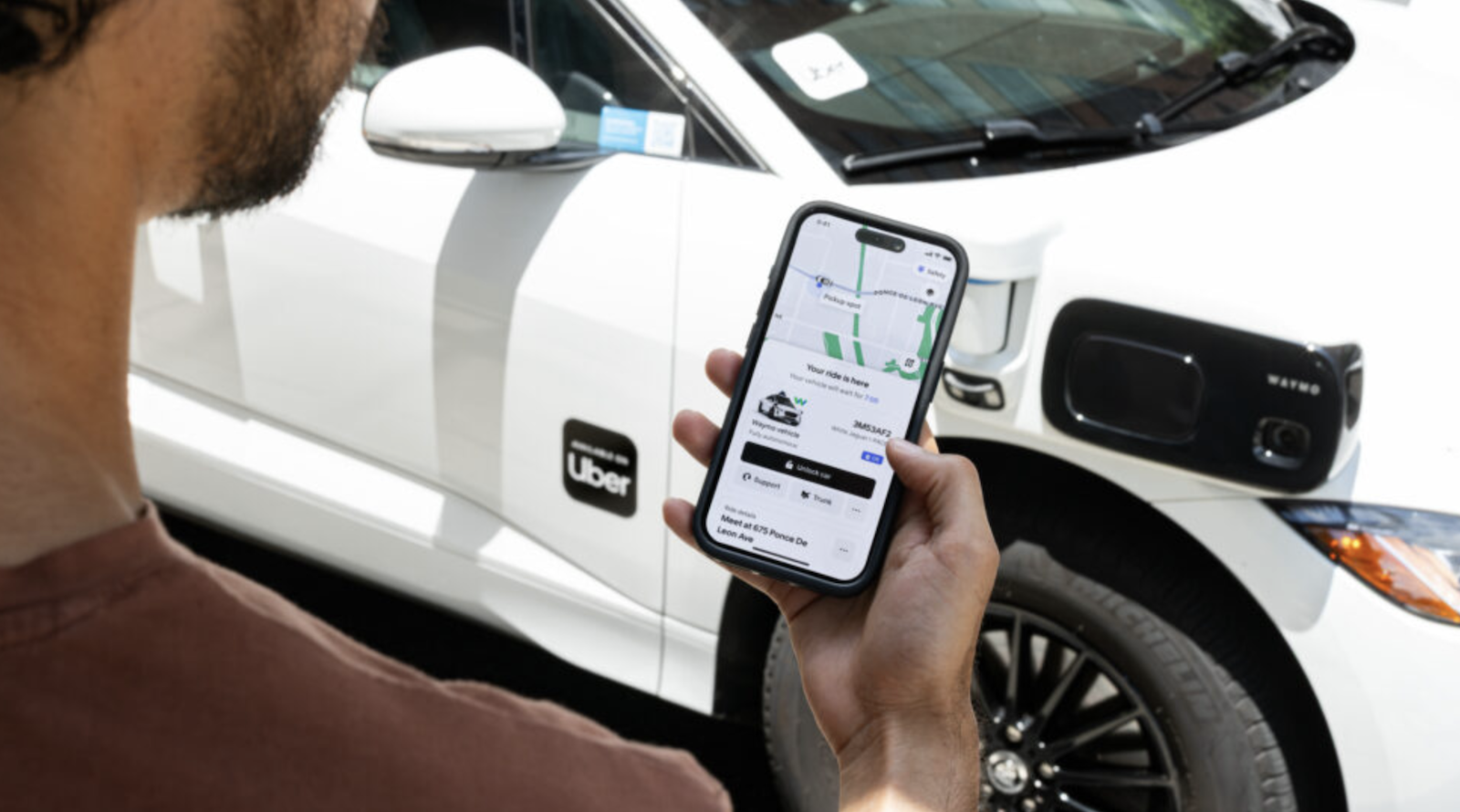
According to the CleanTechnica report, Phoenix was Waymo’s first pilot market, described as an “intentionally limited deployment, reaching just over a dozen vehicles dedicated to the program” CleanTechnica. The partnership’s termination was confirmed by multiple outlets, including Reuters, CNBC and qz.com, establishing the factual core that the robotaxi collaboration in Phoenix has ended.
Uber’s statement, also cited by CleanTechnica, framed the Phoenix pilot as a learning experience that accelerated its autonomous rollout elsewhere: “We learned a lot from that collaboration, which helped us to quickly scale Austin and Atlanta, where hundreds of Waymo AVs are available exclusively on Uber and our coverage area continues to expand.” CleanTechnica. While the claim is uncorroborated beyond the primary article, it signals Uber’s strategic reliance on Waymo’s technology to build a nationwide driverless network.
Waymo’s own language, as quoted in the same piece, framed the pilot as “a productive pilot that paved the way for future expansions and partnerships across the globe.” CleanTechnica. The company also disclosed that the Waymo vehicles formerly used in the Uber pilot will be redeployed for DoorDash deliveries in Phoenix, indicating a flexible asset‑use model that blurs the line between passenger transport and goods logistics.
The most vivid illustration of safety concerns emerged from a separate incident reported in the same article. Futurism, as referenced, captured a scene in Santa Monica where a group of teenagers were “hanging out the windows of a Waymo cab as it weaved through Santa Monica traffic, as if about to perform their own version of a Buster Keaton stunt,” CleanTechnica. The onlooker, Rojia Shahsavani, said the youngest child appeared to be “maybe 8 to 9 years old,” and that she called Waymo customer service after the teens ignored her warnings.
“a posse of teens who were recently spotted hanging out the windows of a Waymo cab as it weaved through Santa Monica traffic, as if about to perform their own version of a Buster Keaton stunt,”
These snapshots raise two regulatory flashpoints. First, California law mandates that minors under 18 be accompanied by an adult in a vehicle, a rule apparently breached. Second, a Consumer Watchdog spokesperson, quoted in the article, warned that “age verification for riders, which is something Waymo can be fined for, and having enough monitors to actually notice and care if there’s this type of unsafe activity going on in the cars,” are critical gaps CleanTechnica. Waymo’s response—“Safety is our highest priority… this behavior violates our user agreement, and while these sorts of events are rare, we take them extremely seriously” — acknowledges the rarity but not the systemic risk CleanTechnica.
From an operational perspective, the redeployment of AVs to DoorDash suggests a business model that seeks to maximize vehicle utilization across service types. However, the shift also raises questions about data sharing, insurance coverage, and the adequacy of safety protocols when the same hardware toggles between passenger and cargo missions. If the vehicles are already being repurposed, regulators may demand a unified safety standard that covers both use cases, potentially complicating Waymo’s expansion plans.
Audit & Contradictions
The core claim—that Waymo and Uber have ended their Phoenix robotaxi partnership—is corroborated by Reuters, CNBC and qz.com, confirming its accuracy. All other notable details in the CleanTechnica article appear solely in that source. These single‑source statements include:
- The pilot’s size of “just over a dozen vehicles.”
- Uber’s assertion that the Phoenix collaboration enabled rapid scaling in Austin and Atlanta, where “hundreds of Waymo AVs are available exclusively on Uber.”
- The plan to reassign Phoenix‑based Waymo vehicles to DoorDash deliveries.
- The teen‑window incident in Santa Monica.
Because these points lack independent verification, they are presented with hedging language such as “according to the CleanTechnica report” or “the article states.” The fact‑check audit notes a “Low” contradiction level, meaning no direct conflicts were identified, but the reliance on a single outlet for several claims warrants caution.
Future Outlook
Regulators in California and other jurisdictions are likely to scrutinize the age‑verification and monitoring deficiencies highlighted by the teen incident. If enforcement actions materialize, Waymo and other autonomous providers may be compelled to integrate biometric checks or real‑time video analytics to ensure compliance with child‑safety statutes. Such requirements could increase the cost of scaling robotaxi fleets, potentially slowing expansion into new markets.
Competitors—most notably Cruise, Aurora and emerging Chinese firms—are watching the Phoenix fallout closely. A demonstrated ability to repurpose AVs for delivery may become a differentiator, but only if safety standards are uniformly applied. Investors may also reassess the capital efficiency of mixed‑use AV fleets, weighing the revenue upside of delivery contracts against the risk of regulatory penalties.
For Uber, the Phoenix exit underscores a broader strategic pivot: rather than co‑developing AVs, the company appears to lean on external partners like Waymo to supply autonomous rides while focusing on marketplace logistics. The company’s claim of rapid scaling in Austin and Atlanta suggests that the Phoenix experience was a stepping stone rather than a setback.
Ultimately, the convergence of partnership termination, vehicle repurposing, and a high‑visibility safety breach paints a picture of an industry still grappling with the practicalities of driverless mobility. As municipalities tighten oversight and public tolerance for reckless behavior wanes, the next wave of robotaxi deployments will likely be judged as much on their compliance frameworks as on their technological prowess.