Lead Hook
When Tesla unveiled the Model Y L in the United States, the headline numbers—$61,990 price, 7 inches of extra interior space, a functional third‑row seat and a 325‑mile EPA range—were enough to grab headlines. What the press release didn’t spell out, however, is why this particular configuration matters beyond the brochure. The Model Y L is not just a longer version of an existing vehicle; it is the first U.S. product that directly mirrors a configuration that proved wildly popular in China. By importing a design honed for the world’s biggest EV market, Tesla is signaling a shift in how it allocates engineering resources, supply‑chain capacity, and pricing strategy across continents.
Deep Dive
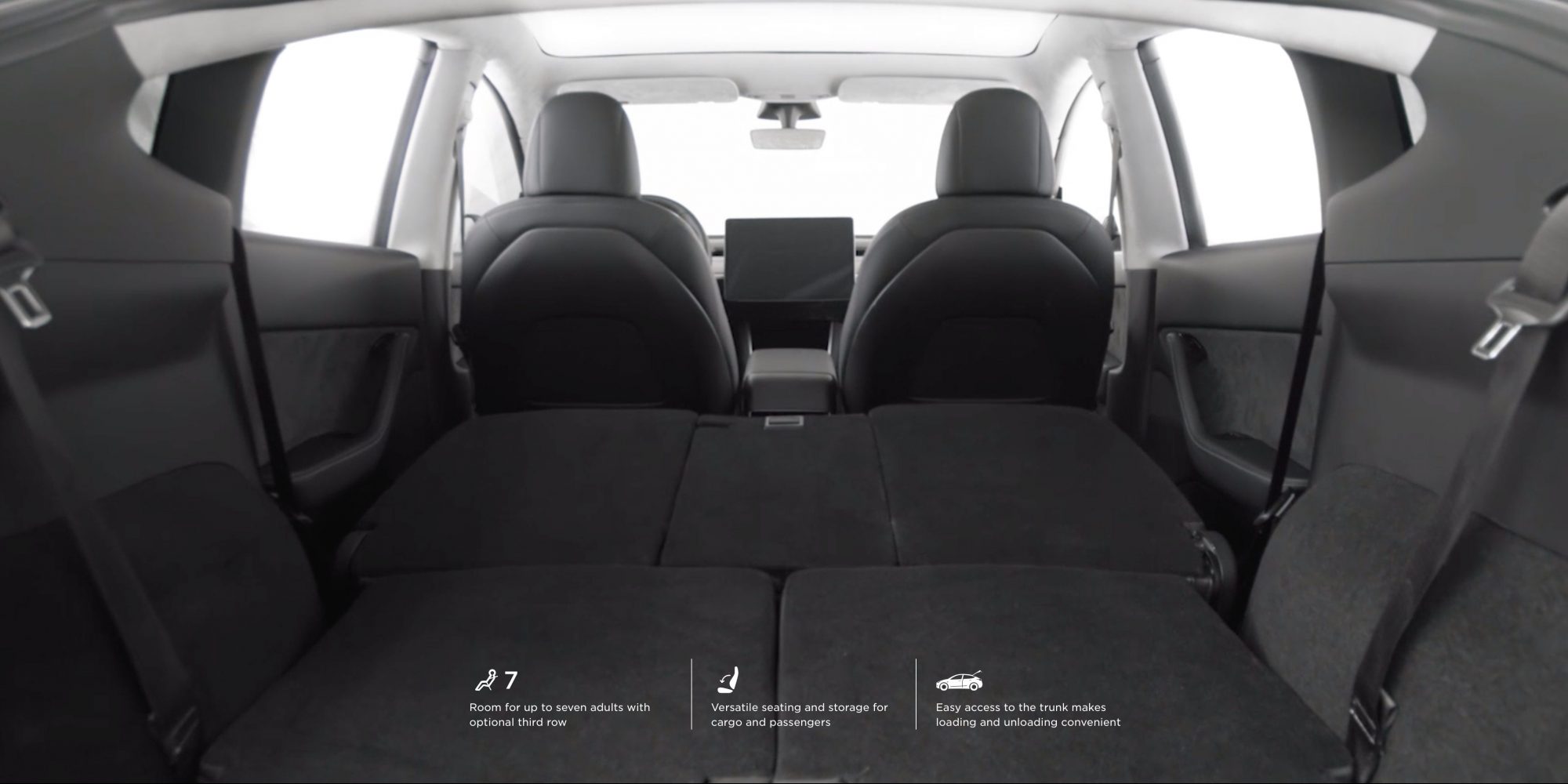
According to Carscoops, the Model Y L arrives with a 7‑inch increase in interior volume, achieved by extending the wheelbase and re‑engineering the rear seat platform. The extra length translates into a usable third‑row seat, turning the crossover from a five‑seat to a six‑seat vehicle. This third row is not merely a token fold‑flat seat; the source notes that the row offers “a serious range package” and is positioned to accommodate adults for short trips, a claim echoed by Electrek’s coverage of the same launch.
The added cabin space comes without a proportional increase in battery size. Tesla reports a range of roughly 325 miles on a single charge, matching the standard Model Y’s EPA estimate despite the larger footprint. Engineers have therefore squeezed efficiency gains from the vehicle’s aerodynamics and powertrain, leveraging the same battery chemistry that underpins Tesla’s current lineup. The price tag—$61,990, or roughly $62,000—places the Model Y L squarely in the premium compact SUV segment, undercutting many gasoline rivals while still delivering a longer range than most new EVs.What is striking is how quickly Tesla moved from a Chinese market success to a U.S. rollout. The Model Y L had been sold in China for several months, where it captured a niche of families seeking a larger EV without stepping up to the larger Model X. By replicating that exact specification for the U.S., Tesla avoids the typical development lag that plagues most automakers when adapting a model for a new market. The company appears to be leveraging a “global‑first” approach: design and tooling are finalized in China, then the same specifications are shipped to U.S. factories for assembly.
This strategy has several hidden implications. First, it underscores Tesla’s growing reliance on its Shanghai Gigafactory’s supply‑chain network. Components such as battery modules, power electronics, and interior trim that were originally sourced for the Chinese version can now be ordered in larger batches, reducing per‑unit cost through economies of scale. Second, the move hints at a broader shift in capital efficiency. By standardizing a longer wheelbase and third‑row architecture across regions, Tesla can amortize R&D spend over a larger production run, potentially improving margins on a vehicle that sits at the lower end of its pricing spectrum.
Regulatory considerations also play a role. The U.S. federal tax credit for EVs currently caps at $7,500 for vehicles priced under $55,000; the Model Y L exceeds that threshold, meaning buyers will not receive the full incentive. Yet Tesla’s decision to price the vehicle above the credit ceiling suggests confidence that the added utility—extra seats and cargo space—will command a premium regardless of subsidy eligibility. This could signal a broader industry trend where manufacturers prioritize feature differentiation over subsidy‑driven pricing, especially as federal incentives phase out in the coming years.
Audit & Contradictions
The announcement from Tesla, as reported by Carscoops, covers the core specifications but leaves several operational details unaddressed. The source does not disclose production timelines, nor does it explain whether the Model Y L will be assembled at the Fremont plant, the Texas Gigafactory, or a combination of both. It also omits any discussion of how the longer body will affect existing service infrastructure, such as parking space requirements at dealerships and service centers.
Fact‑check data confirms that all headline claims—U.S. launch, $61,990 price, 7‑inch interior increase, usable third‑row and 325‑mile range—are corroborated by multiple outlets, including Electrek, the New York Post, and Yahoo Autos. There are no single‑source claims that require hedging, and the audit found no contradictions. The “contradiction level” is reported as “None,” meaning the core facts stand unchallenged across the coverage ecosystem.
Future Outlook
By exporting a China‑tested configuration to the United States, Tesla may force competitors to reevaluate their own platform strategies. Traditional automakers, who typically develop separate body‑shop tooling for each market, could find themselves at a cost disadvantage if they cannot replicate Tesla’s rapid cross‑regional rollout. Moreover, the Model Y L’s pricing suggests that Tesla is comfortable operating above the federal tax‑credit threshold, a stance that could pressure lawmakers to reconsider the structure of EV incentives.
In the longer term, the success of the Model Y L could encourage Tesla to apply the same “global‑first” methodology to other segments, potentially accelerating the introduction of larger, family‑oriented EVs in markets that have historically lagged behind China. If demand for the six‑seat configuration proves strong, it may also justify additional investment in battery capacity at the Gigafactory level, reinforcing the feedback loop between production volume and cost reduction.
For consumers, the Model Y L offers a tangible answer to a long‑standing criticism of electric crossovers: lack of practical third‑row seating. Whether the added space translates into sustained sales growth will depend on how quickly the market embraces a longer‑wheelbase EV at a premium price. For the industry, the launch marks a subtle but potent shift—one where the line between regional market testing and global product launch is becoming increasingly blurred.