Lead Hook
When a government rule forces a premium EV brand off the biggest market in the world, the fallout is felt far beyond the showroom floor. Polestar, the Swedish‑Chinese label known for its sleek Scandinavian design, has announced price cuts of up to $25,000 on its flagship models – a move that appears less like a seasonal sale and more like a rapid inventory clear‑out triggered by a regulatory ban. The discounts, which expire on July 31, could make a Polestar 4 suddenly cheaper than many mainstream electric crossovers, but they also raise a stark question: how vulnerable are EV manufacturers to geopolitical tech rules?
Deep Dive
According to InsideEVs, the United States has finalized a new Connected Vehicle rule that bars any vehicle whose software is linked to China from being sold in the country starting with the 2027 model year. The rule, enacted under the Biden administration, targets the perceived security risk of foreign‑origin code in critical vehicle systems. Volvo, also owned by Geely, secured a special authorization that allows it to continue selling cars, but Polestar was denied that exemption. The brand therefore announced last week that it will exit the U.S. market, citing the rule as the decisive factor.
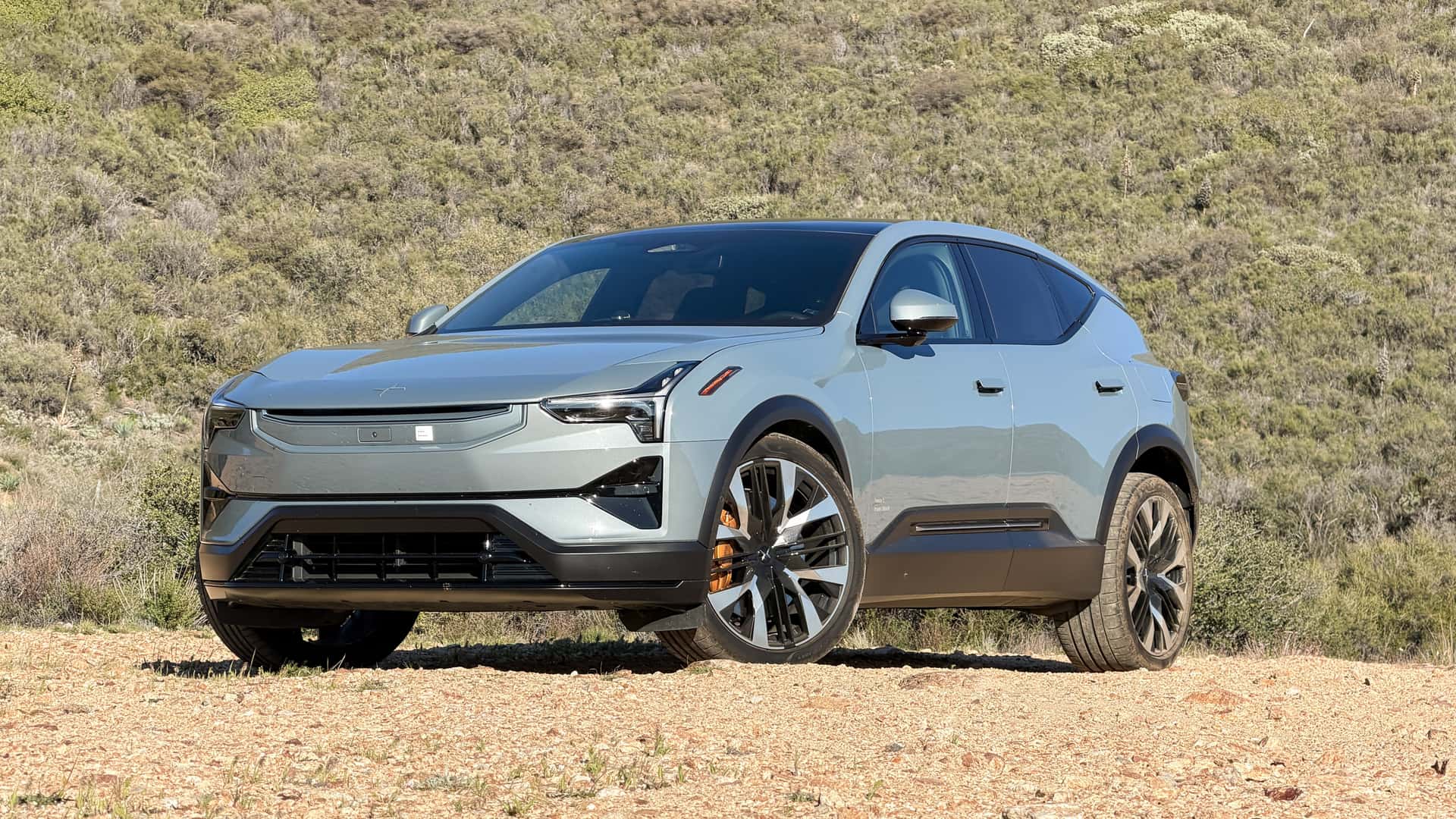
In the wake of that announcement, Polestar is offering deep discounts on the two models it still has on its U.S. lots. The Polestar 3 single‑motor version, originally listed at $67,500, is now priced at $44,500 – a $23,000 reduction – if the buyer pays cash or accepts a financing offer at 4.99 % APR. The dual‑motor variant, which previously topped $70,000, now sits just above $50,000, still representing a discount of roughly $20,000. Meanwhile, the Polestar 4’s base price of $56,400 can be shaved by $25,000 for cash purchasers, or by $18,000 for those who take a 0 % APR financing plan. The single‑motor Polestar 4 delivers 310 miles of EPA range, 272 hp and a 0‑60 time of 6.7 seconds; the dual‑motor version boosts power to 544 hp, cuts range to 280 miles, and accelerates to 60 mph in 3.7 seconds.
Leasing options are also being used to move inventory. The Polestar 4 can be leased for $399 per month over a 39‑month term, a rate that aligns with many conventional EV leases but comes with the same July 31 deadline. The company’s messaging suggests that the discounts are not a temporary promotional gimmick but a strategic effort to liquidate remaining stock before the brand’s U.S. operations wind down.
Beyond price, Polestar’s post‑exit customer support strategy hinges on its relationship with Volvo. A company spokesperson told Reuters that Polestar customers will be able to access service at the brand’s 32 locations, which are housed within Volvo dealerships. The spokesperson emphasized that Polestar will "continue to support customers, including providing access to its service network." This promise aims to mitigate concerns about long‑term maintenance for owners who may be wary of buying a vehicle from a brand that is pulling out of the market.
Inventory snapshots show Polestar 4 units already listed in California at mid‑$30,000 prices, positioning them competitively against the Chevrolet Equinox EV, Toyota bZ, and even base‑trim Tesla models. The combination of steep discounts and a limited supply window creates a buyer’s market for those willing to take the plunge, yet it also underscores the unusual circumstances that have forced a premium EV onto a discount‑driven sales path.
Audit & Contradictions
The announcement leaves several critical details unaddressed. First, the exact criteria the Connected Vehicle rule uses to define "software linked to China" are not explained in the source material, nor is the process by which Volvo secured its exemption. Second, while the article provides specific discount figures and the July 31 expiry, it offers no independent verification of those numbers; all pricing claims are single‑source and therefore must be presented with hedging language. Third, the statement that Polestar will continue to support customers through Volvo’s network is sourced from a Reuters interview, but the broader logistics of warranty transfer, parts availability, and long‑term service costs remain opaque.
Fact‑check notes confirm that these principal assertions – the discount amounts, the U.S. ban due to the Connected Vehicle rule, Volvo’s special authorization, the July 31 deadline, and the post‑exit service commitment – appear only in the InsideEVs article, with no corroborating outlet identified. Consequently, the contradiction level is low, but the reliance on a single source warrants caution for readers seeking independent confirmation.
Future Outlook
Polestar’s exit highlights a broader risk for EV manufacturers that rely on cross‑border technology partnerships. If U.S. policy continues to tighten around foreign software, other Chinese‑linked brands could face similar barriers, reshaping the competitive landscape. For remaining players, the vacuum left by Polestar may open opportunities to capture price‑sensitive consumers, especially if they can offer comparable range and performance without regulatory encumbrances.
From a market perspective, the steep discounts could temporarily boost used‑car values for Polestar models, as buyers snap up low‑priced inventory before the brand disappears. However, the long‑term resale outlook may be muted if service networks remain limited to Volvo locations, potentially prompting owners to consider alternative EVs with broader dealer footprints.
Regulators and policymakers will likely monitor the fallout as a case study in how security‑driven tech rules intersect with climate‑focused transportation goals. The balance between safeguarding data integrity and preserving a competitive EV market will be a key tension point in future rule‑making, especially as more manufacturers integrate Chinese‑origin software into vehicle architectures.
In the short term, consumers who can afford the cash discount or qualify for the zero‑percent financing may find a rare bargain on a premium EV. Yet the broader narrative is a cautionary tale: geopolitical policy can swiftly turn a promising product line into a liquidation exercise, reshaping both the EV marketplace and the strategic calculations of global automakers.