Lead Hook
Mercedes-Benz is rolling out ten new models in 2026, a rollout the company touts as its "biggest product and tech launch program in the company’s history"
"biggest product and tech launch program in the company’s history."According to Motor1, the German automaker is using this massive launch to claw back from a nine‑percent sales dip in 2025 that left it with just 1,800,800 vehicles sold. The headline‑grabbing number of models masks a deeper story: stricter emissions rules in Europe are already reshaping the lineup, pushing Mercedes to limit its flagship V12 to a handful of markets and accelerate electric‑only offerings. The implications for the luxury segment – and for regulators watching the shift – extend far beyond the glossy press release.
Deep Dive
Mercedes’ 2026 agenda is built around three strategic pillars: refreshing legacy models, expanding the electric portfolio, and leveraging high‑performance AMG variants to keep brand allure alive. The S‑Class facelift, for example, introduces a new flat‑plane‑crank V8 for the S580 that delivers 530 horsepower, while the Maybach version can be equipped with a twin‑turbo 6.0‑liter V12. Per the Motor1 report, the V12 is only offered in North America, China and the Middle East – a clear concession to Europe’s “ever‑stricter emissions regulations” that have effectively pushed the twelve‑cylinder out of the continent.
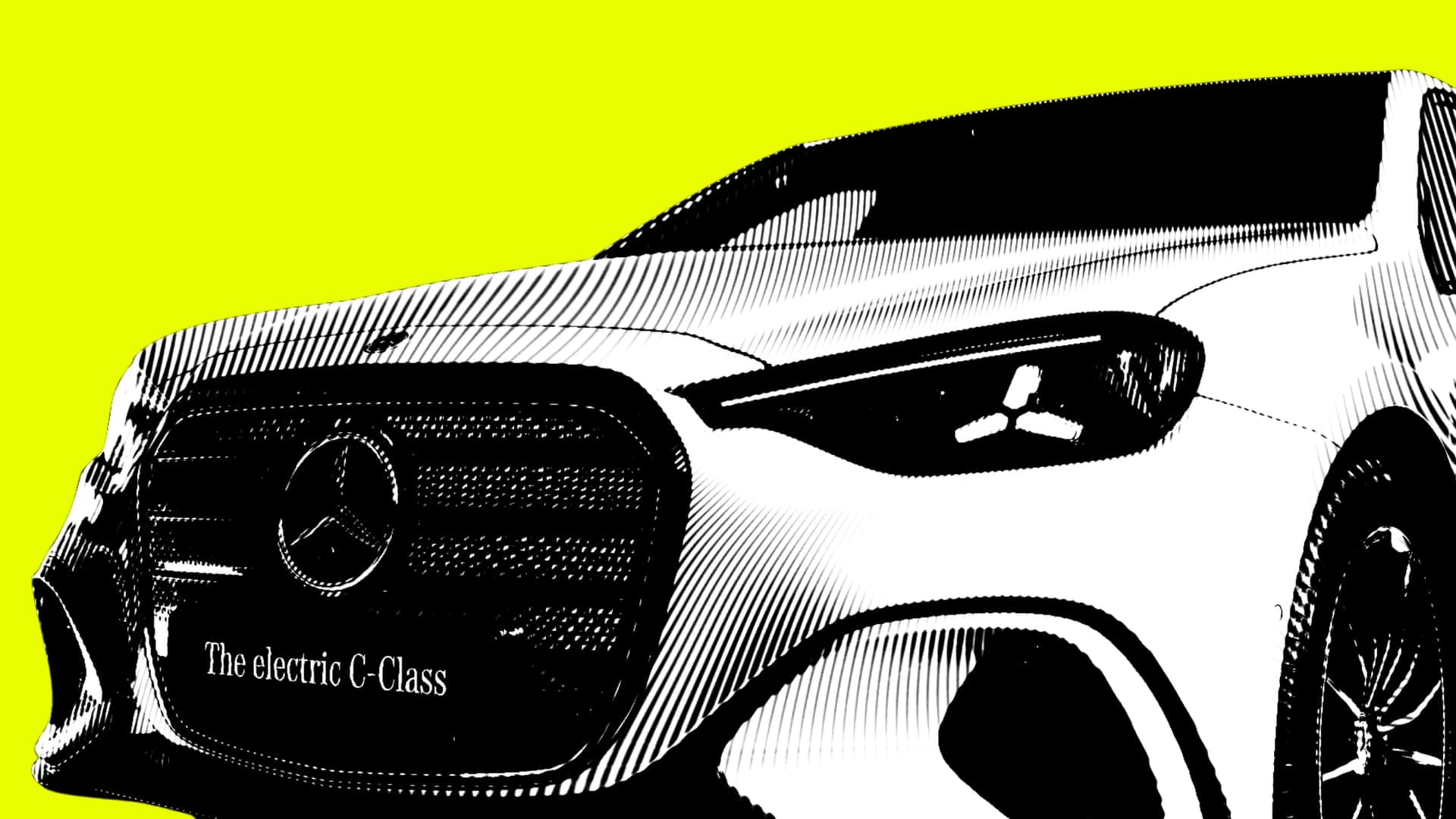
That regulatory pressure is evident across the portfolio. The incoming electric C‑Class (branded as the C400 4Matic) sits on a dedicated EV platform with a 94.5 kWh battery promising up to 473 miles (WLTP) on a single charge. It can accept up to 330 kW of DC fast‑charging, adding roughly 202 miles in ten minutes, and produces 482 hp and 590 lb‑ft of torque. Motor1 notes these figures as part of the 2026 rollout. Meanwhile, the AMG GT 4‑Door Coupe EV – slated for 2027 but announced now – will feature three axial‑flux motors that together generate a staggering 1,153 hp and 1,475 lb‑ft of torque, backed by a 106 kWh pack delivering up to 435 miles (WLTP) and 600 kW charging capability.
On the combustion side, the AMG‑tuned GLE 63 S and GLS 63 receive a new flat‑plane‑crank 4.0‑liter twin‑turbo V8 paired with a 48‑volt mild‑hybrid system, delivering 603 hp and 627 lb‑ft of torque. These powertrains are meant to preserve the performance halo while meeting tighter CO₂ targets, but the reliance on a mild‑hybrid architecture underscores how even high‑end AMG models are being forced to adopt electrified assistance to stay compliant.
Beyond the flagship sedans and SUVs, Mercedes is also extending its electrification push to niche segments. The VLE electric luxury van – described by Motor1 as priced around $130,000 – will use a dual‑motor layout producing 415 hp, a 115 kWh battery, and a WLTP range of up to 435 miles. While the van’s numbers are single‑source, the fact that Mercedes is targeting a premium commercial market with a fully electric offering signals a strategic bet on higher‑margin, low‑volume segments where emissions compliance can be a differentiator.
All of these launches are being announced while Mercedes grapples with a sales slump that saw demand fall nine percent year‑over‑year. The sheer breadth of the 2026 program – ten new models spanning pure‑EV, hybrid, and traditional gasoline platforms – suggests the company is betting on breadth to offset volume weakness, but it also raises questions about capital efficiency and supply‑chain strain, especially as battery manufacturers scramble to meet multiple new high‑capacity packs.
Audit & Contradictions
The headline that Mercedes will launch ten new models in 2026 is corroborated by multiple outlets, confirming the company’s ambitious rollout. However, many of the technical specifications – the S‑Class V8/V12 outputs, the C‑Class battery capacity and charging rates, the AMG GT EV’s axial‑flux motor trio, the GLE/GLS V8 mild‑hybrid system, the AMG GLC 53 powertrain, and the VLE van’s pricing and performance – appear only in the Motor1 article. According to the fact‑check audit, these are single‑source claims and should be treated as such. No contradictions were identified in the source material, so the overall contradiction level is low.
What the announcement does not address is the strategic trade‑off between maintaining a V12 halo in select markets and the cost of developing multiple electric platforms. It also omits any discussion of supply‑chain bottlenecks for high‑capacity batteries, a factor that could delay or limit the rollout of the EV models announced.
Future Outlook
Mercedes’ 2026 launch cadence forces competitors to reckon with the same regulatory headwinds. BMW and Audi, already deep into EV line‑ups, may accelerate their own high‑performance electric introductions to avoid being outpaced in the luxury segment. For regulators, the selective availability of the V12 in non‑EU markets provides a tangible case study of how emissions standards can directly shape product strategy.
Investors will be watching whether Mercedes can deliver on the promised specs without overextending its production capacity. If battery supply constraints bite, the company could face costly delays, eroding the intended sales rebound. Conversely, a successful rollout could demonstrate that a legacy automaker can pivot at scale, reinforcing the viability of a mixed‑powertrain portfolio that leans heavily on electrification while preserving performance branding.
In short, the ten‑model blitz is more than a marketing splash; it is a litmus test for how luxury manufacturers balance heritage engineering with the inexorable push toward zero‑emission mobility.