Lead Hook
India’s electric‑vehicle market has been racing ahead on the back of ambitious sales targets and generous subsidies. A new development, however, could add a layer of complexity that goes beyond incentives: the government is reportedly drafting "guardrails" to prevent tampering with EV batteries. While the headline sounds technical, the implication is far‑reaching—potentially reshaping design standards, supply‑chain contracts, and vehicle pricing across the country.
Deep Dive
According to the Economic Times article published on July 3, 2026 at 08:16 AM IST, regulators are planning a set of guardrails aimed at stopping the illicit modification or theft of electric‑vehicle batteries. The language in the announcement is deliberately vague, but the core idea is to create a regulatory framework that makes it harder for third parties to open, re‑program, or physically alter battery packs after they leave the factory.
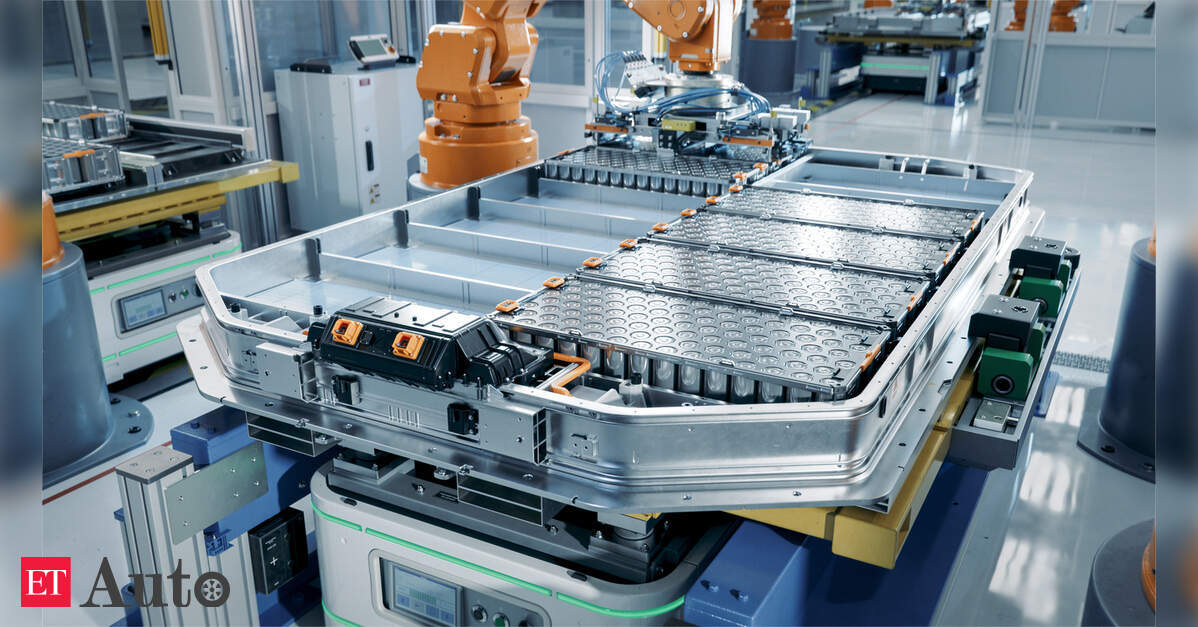
From a technical standpoint, “guardrails” could encompass a range of measures: mandatory tamper‑evident seals, encrypted battery‑management‑system (BMS) firmware, real‑time telemetry that alerts owners and insurers to unauthorized access, and even physical reinforcement of battery enclosures. Each of these interventions carries a cost. Battery manufacturers will need to redesign pack housings, integrate secure chips, and perhaps certify new testing protocols. For OEMs, the ripple effect could mean higher component bills, longer development cycles, and the need to renegotiate supply contracts to include security clauses.
Industry observers note that the push for tamper‑proof batteries is not purely about theft. Recent incidents in other markets—ranging from battery fires caused by improper aftermarket modifications to sabotage of charging infrastructure—have raised alarm bells about the broader safety ecosystem. By mandating guardrails, Indian regulators appear to be pre‑empting a wave of liability claims and insurance cost hikes that could otherwise stall the sector’s growth.
Financially, the added engineering requirements could shave margins from both battery producers and vehicle assemblers. In a market where price sensitivity remains high, any uptick in the bill‑of‑materials may be passed on to consumers, potentially slowing the adoption rate that policymakers have been courting. On the flip side, a standardized safety regime could level the playing field, allowing domestic manufacturers to compete more confidently against imported packs that may not meet the same tamper‑proof standards.
Supply‑chain implications are also significant. Battery cells are sourced globally, but the pack‑level integration—where guardrails would be applied—is typically handled by a smaller set of specialized firms. These firms may need to invest in new tooling, software licensing, and certification processes. For smaller players, the capital outlay could be prohibitive, leading to market consolidation around a few large pack integrators capable of absorbing the cost.
Audit & Contradictions
The announcement, as reported, does not provide details on the technical specifications of the guardrails, the timeline for enforcement, or the penalties for non‑compliance. Moreover, the claim that guardrails are being planned to prevent tampering with EV batteries is found only in the Economic Times piece; no other outlet in the provided corroboration list reports the same story, making it a single‑source claim (Economic Times).
The fact‑check audit flags this as a single‑source claim but notes no contradictions with other sources (Economic Times). The audit also confirms the publication date, reinforcing the timeliness of the report.
Future Outlook
If the guardrails move from proposal to regulation, the Indian EV ecosystem will need to adapt quickly. Early adopters among battery manufacturers—especially those already investing in secure BMS architectures—could gain a competitive edge, positioning themselves as the preferred suppliers for OEMs seeking compliance. Conversely, firms lagging behind may face exclusion from major contracts or be forced to absorb retrofit costs.
Regulators may also use the guardrail framework as a template for other safety initiatives, such as standards for fast‑charging stations or requirements for over‑the‑air (OTA) updates that can be audited for security. The broader message is clear: as EVs become a larger share of India’s road fleet, safety and security are moving from optional add‑ons to core regulatory mandates.
For investors and market analysts, the story signals a potential shift in capital allocation. Companies that can demonstrate robust tamper‑proof solutions may attract funding aimed at “secure‑EV” technologies, while those that cannot may see their valuations pressured. In the longer term, the guardrails could also influence consumer perception—if buyers associate EVs with higher safety standards, demand could be bolstered, offsetting any price impact.
Ultimately, the success of the guardrail initiative will hinge on how clearly regulators define the requirements and how swiftly the industry can meet them. As the policy landscape evolves, stakeholders should monitor forthcoming guidelines, engage in standard‑setting forums, and prepare for the engineering and financial adjustments that will follow.