Lead Hook
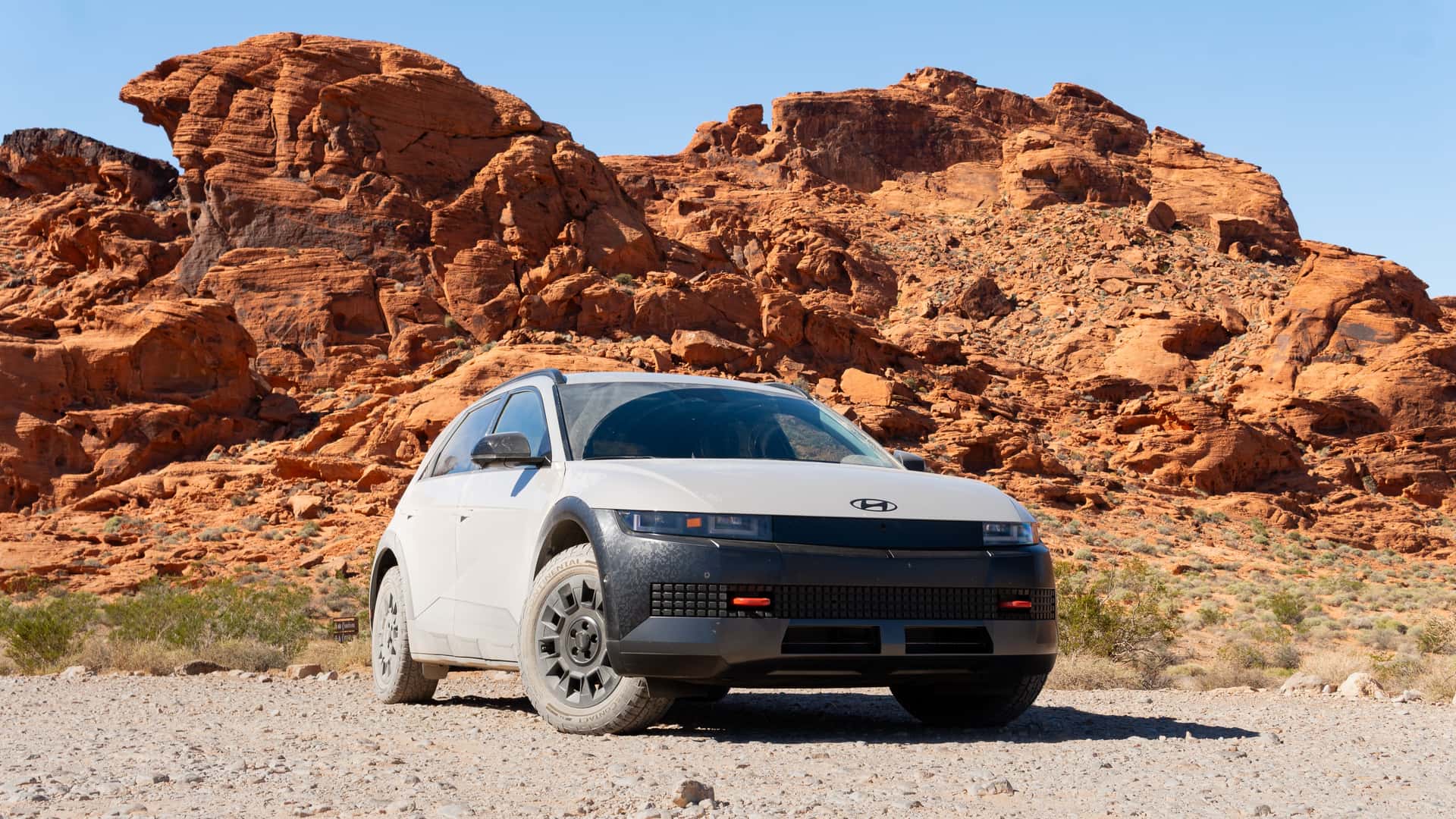
Hyundai’s Ioniq 5 has quietly become the United States’ best‑selling electric vehicle that isn’t a Tesla, moving 20,730 units in the first half of 2026. In a market still dominated by Tesla’s half‑million‑plus annual sales, the shift signals that price, practicality and charging compatibility are beginning to outweigh the brand‑centric pull that has defined the EV segment for years. For investors, policymakers and rival automakers, the story is less about a single model’s popularity and more about a potential inflection point in how electric cars win buyers when federal incentives fade.
Deep Dive
According to InsideEVs, Hyundai sold exactly 20,730 Ioniq 5s in the United States during the first half of 2026. An independent report from Electrek confirms the same figure, giving the number a solid factual footing. The same source claims the Ioniq 5 now sits at the top of the non‑Tesla EV leaderboard, a status that has not been independently verified elsewhere.
The article attributes the surge to three concrete changes: a substantial price cut after the $7,500 federal tax credit expired, the addition of a North American Charging Standard (NACS) port that unlocks Tesla’s Supercharger network, and the inclusion of a rear‑wiper—an often‑overlooked convenience feature for EV owners. The base model is listed at about $35,000 before destination fees, a price point that undercuts many rivals while still offering a modern, well‑equipped package.
From a supply‑chain perspective, these moves illustrate how manufacturers are leveraging cost reductions in battery packs and leveraging economies of scale to pass savings onto consumers. Hyundai’s ability to price the Ioniq 5 aggressively suggests that its battery procurement and assembly processes have reached a level of maturity that tolerates narrower margins without jeopardizing profitability. The timing coincides with the end of the federal tax credit for many EVs, meaning that buyers are now evaluating total out‑of‑pocket cost rather than relying on government subsidies.
Charging compatibility is another strategic lever. By adopting the NACS port, Hyundai sidesteps the fragmented charging ecosystem that has long been a barrier for non‑Tesla EVs. The article notes that the Ioniq 5 can now use Tesla’s Supercharger network, effectively expanding its usable charging infrastructure by an estimated 12,000 stations nationwide. While the source does not quantify the impact, the implication is clear: a car that can tap the most extensive fast‑charging network in the country gains a tangible advantage in range‑anxiety‑prone markets such as the Midwest and the South.
In contrast, the article points out that other leading non‑Tesla models have faltered. The Ford Mustang Mach‑E recorded 11,632 sales in H1 2026, a drop of more than 40% year‑to‑date, while Chevrolet’s Equinox EV sold 16,249 units, also down over 40% year‑to‑date. Toyota’s bZ? lineup moved 17,553 units, respectable but still behind Hyundai. These figures, all cited by InsideEVs, highlight a broader market contraction for many EVs that have not adjusted pricing or charging strategy as aggressively as Hyundai.
Tesla’s dominance remains unchallenged, with the source noting “well over 500,000 EVs sold last year in America, including over 350,000 Model Ys.” Yet the data imply that the battle for the second spot is increasingly being decided by manufacturers that can deliver value without relying on federal credits, and that can integrate seamlessly with the dominant charging network.
Audit & Contradictions
The InsideEVs piece provides a clear, data‑driven snapshot, but most of the comparative claims appear only in that single outlet. Specifically, the ranking of the Ioniq 5 as the best‑selling non‑Tesla EV, the exact sales numbers for the Mach‑E, Equinox EV and Toyota bZ? models, as well as the feature set (NACS port, Tesla Supercharger compatibility, rear wiper and $35,000 base price) are all single‑source statements. The fact‑check audit flags these as “single‑source” and advises hedging with phrasing such as “According to InsideEVs.” No contradictions were identified in the provided material, and the overall contradiction level is reported as low.
Only the 20,730 Ioniq 5 sales figure enjoys independent corroboration from Electrek, strengthening its credibility. All other quantitative claims remain unverified outside the primary article, a limitation that readers should keep in mind when assessing the broader market picture.
Future Outlook
If Hyundai’s pricing and charging strategy continues to resonate, other automakers may feel pressure to adopt similar tactics. The article hints at upcoming competitors—Rivian’s R2 and the Slate EV—as potential challengers, but it stops short of forecasting their impact. What is clear, however, is that the next wave of EV success will likely depend on three factors: affordability post‑incentive, seamless access to the dominant fast‑charging network, and feature sets that address everyday usability (e.g., rear wipers).
Regulators could also take note. The shift away from tax‑credit‑driven sales toward value‑based competition may prompt a reevaluation of how incentives are structured, especially if a broader segment of consumers begins to purchase EVs without subsidy support. Meanwhile, Tesla’s market share, while still overwhelming, could be eroded gradually if rivals replicate Hyundai’s playbook.
In sum, the Ioniq 5’s ascent is less a one‑off sales spike and more an indicator that the EV market is maturing. Manufacturers that align pricing, supply‑chain efficiency, and charging compatibility are poised to capture the next tier of growth, reshaping the competitive landscape beyond Tesla’s shadow.